MCT Activities in January & February 2016

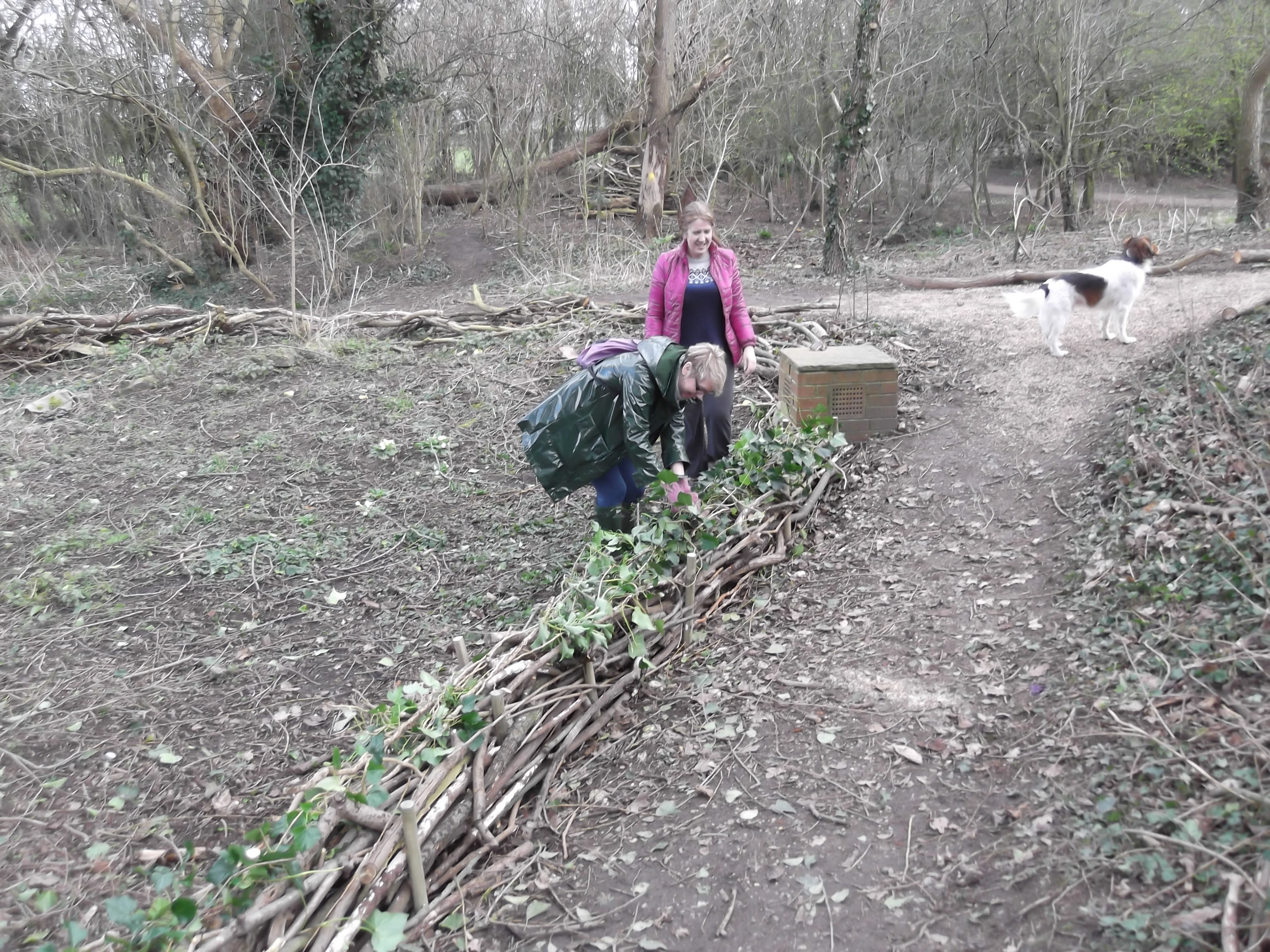
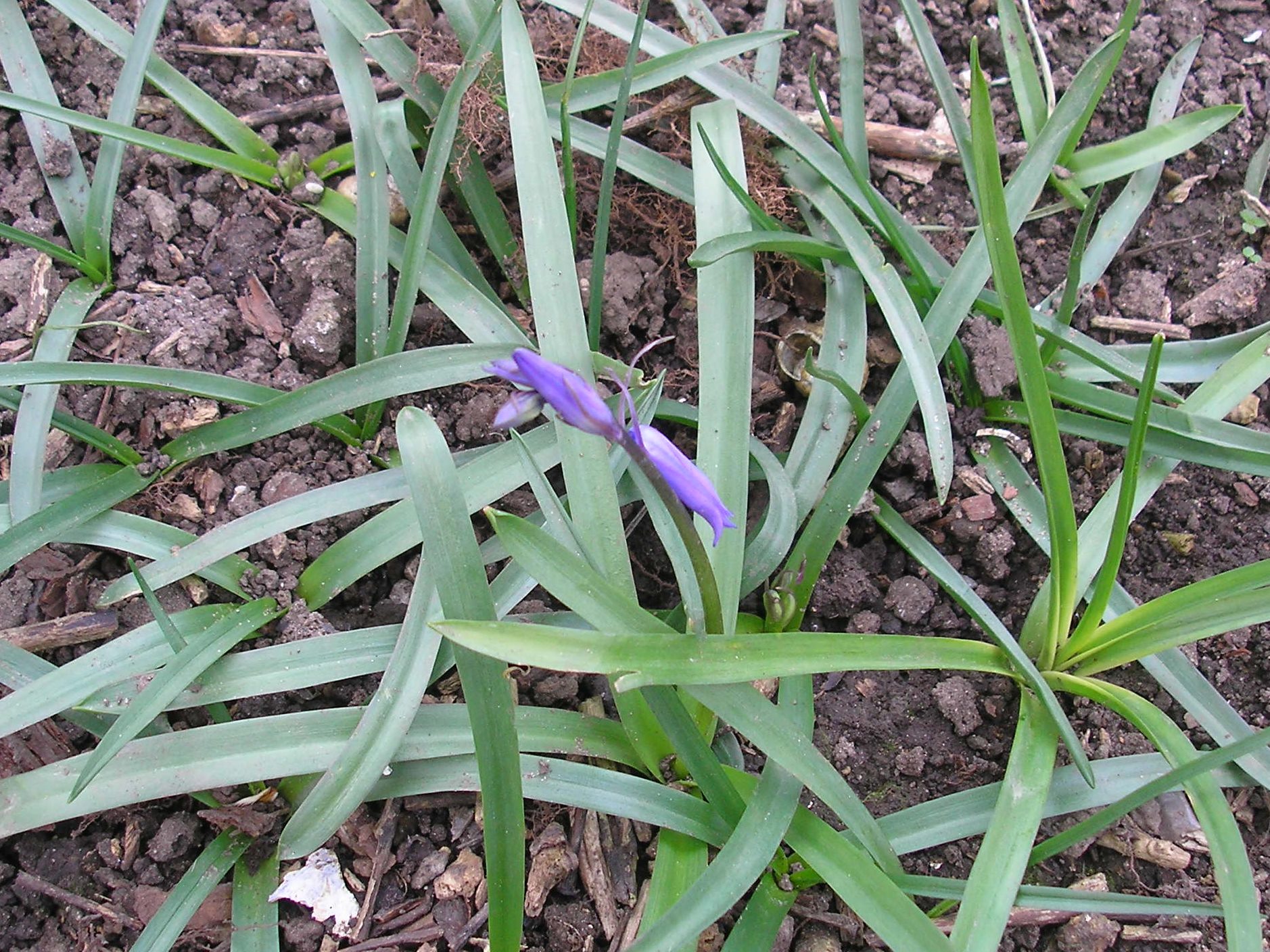
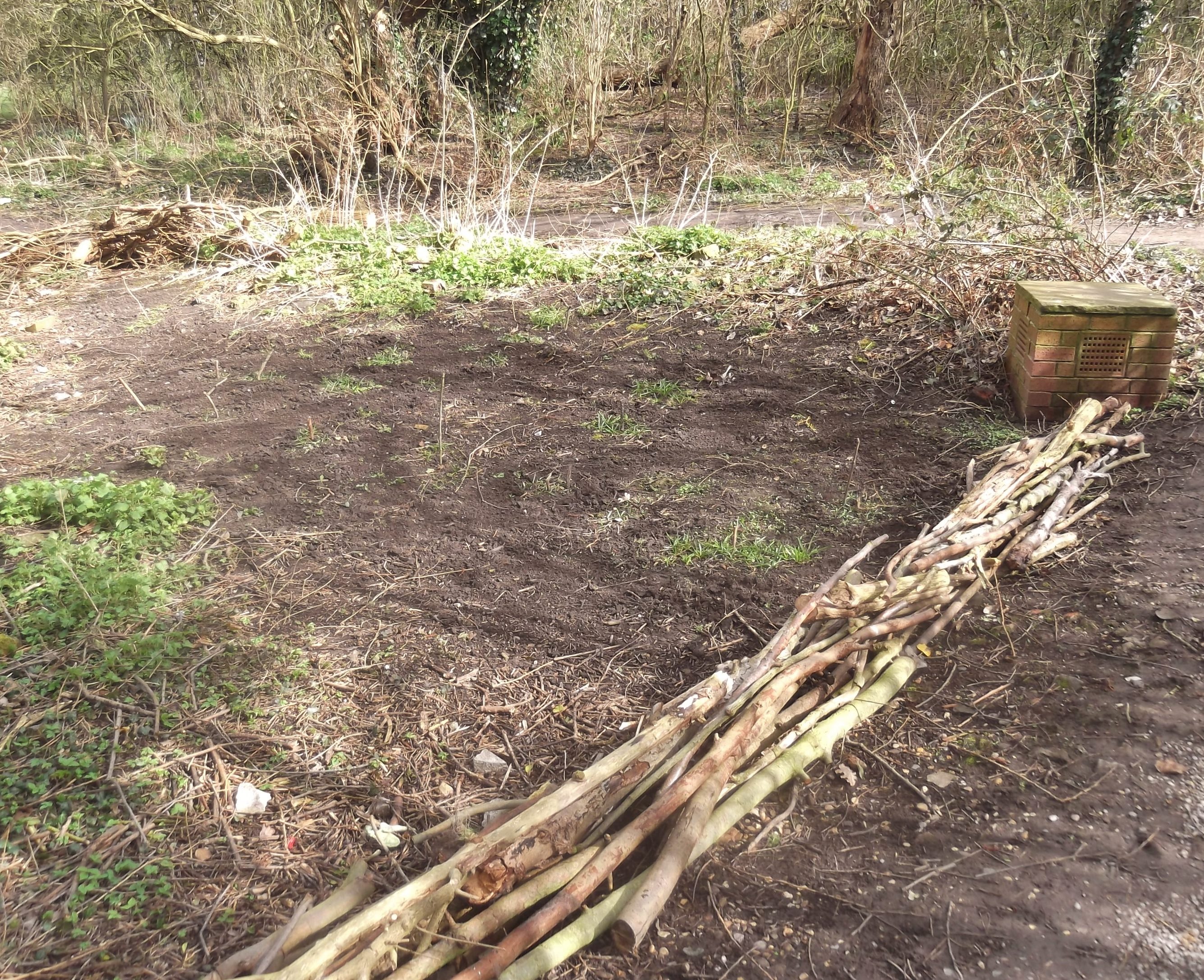
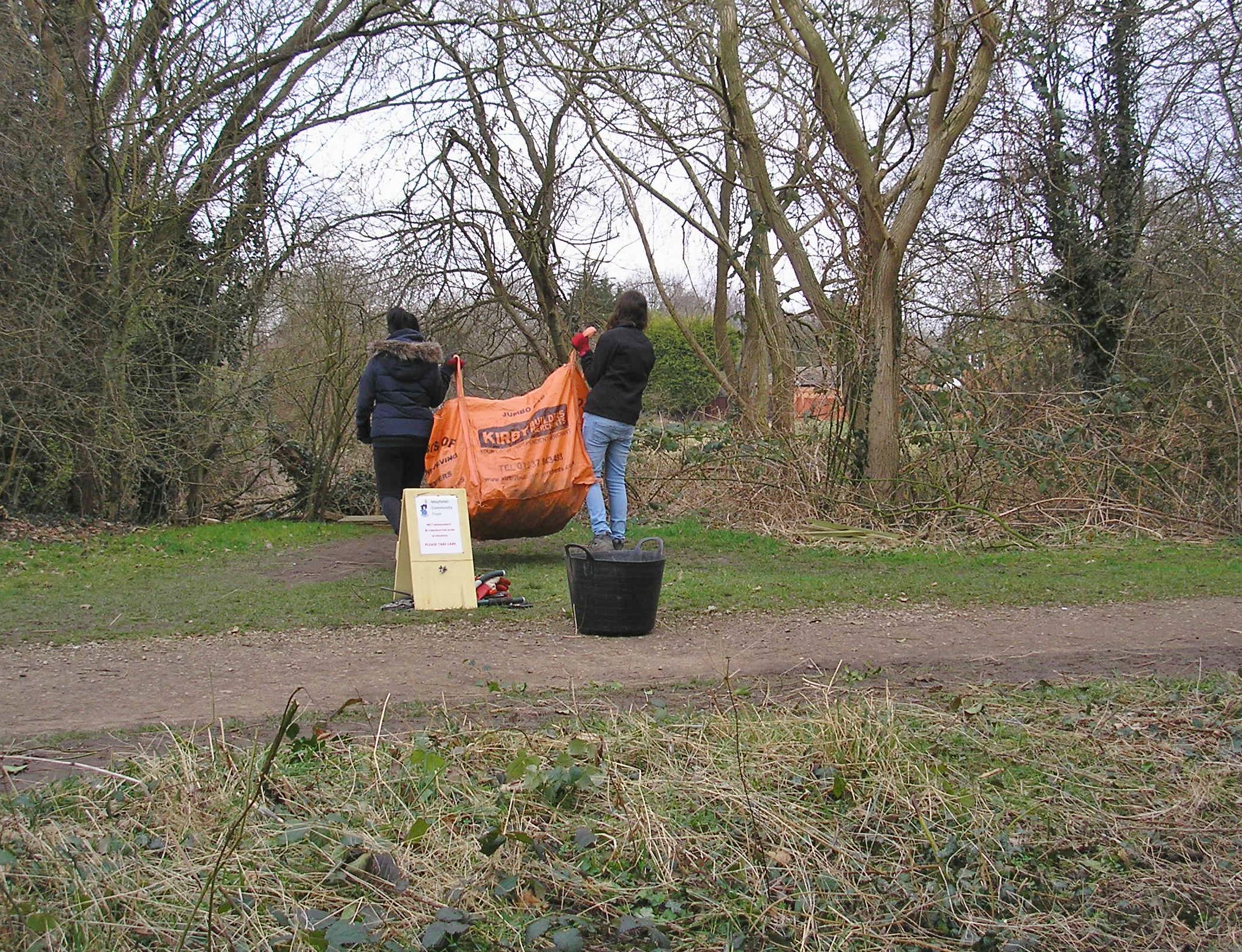
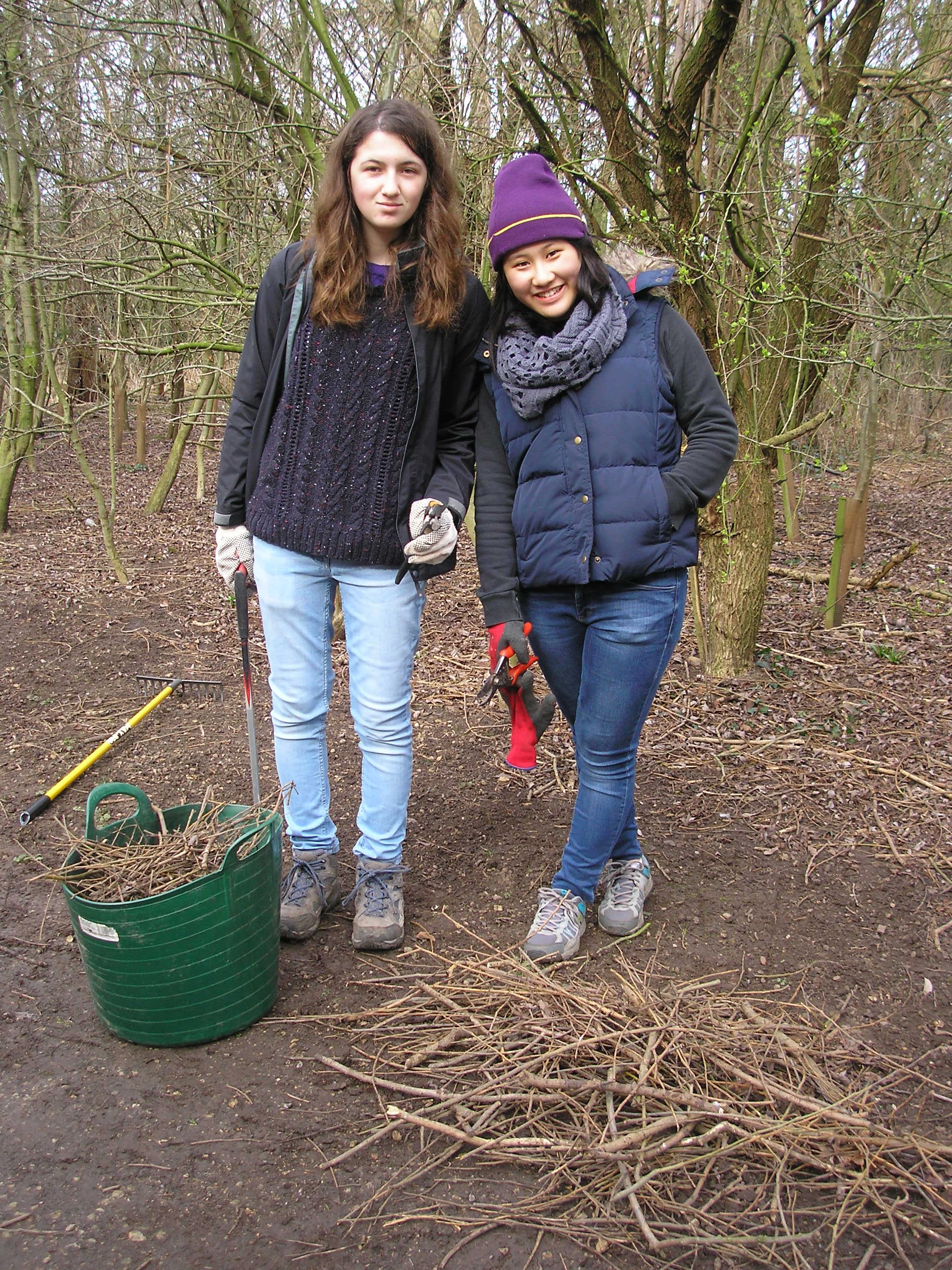
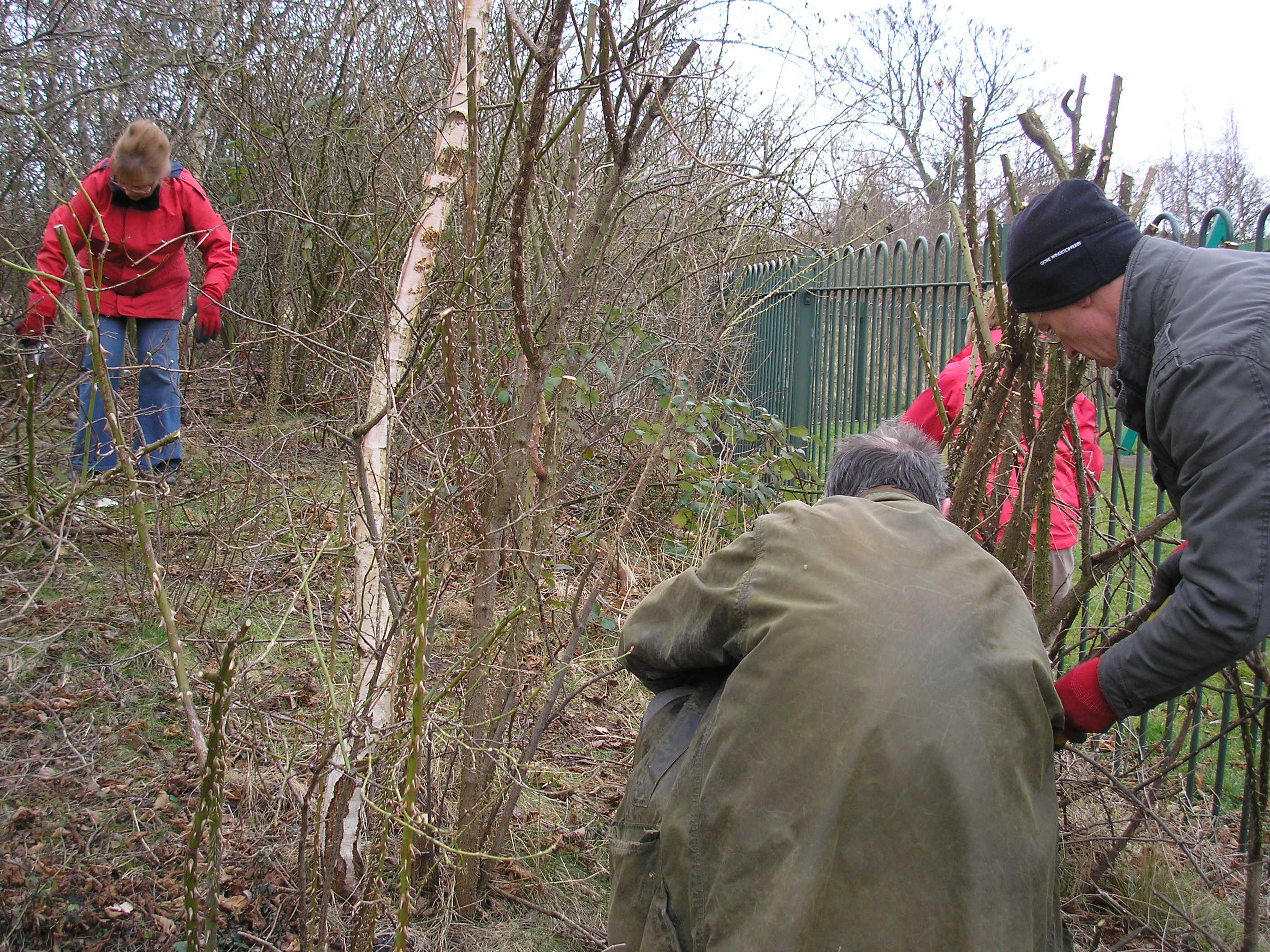
At our last Sunday session on Feb. 28th, six MCT volunteers created a new section of mini dead hedge to make the site safer and reduce trampling on the primroses and emerging English bluebells.  We hope you like it.

  DSCF1558

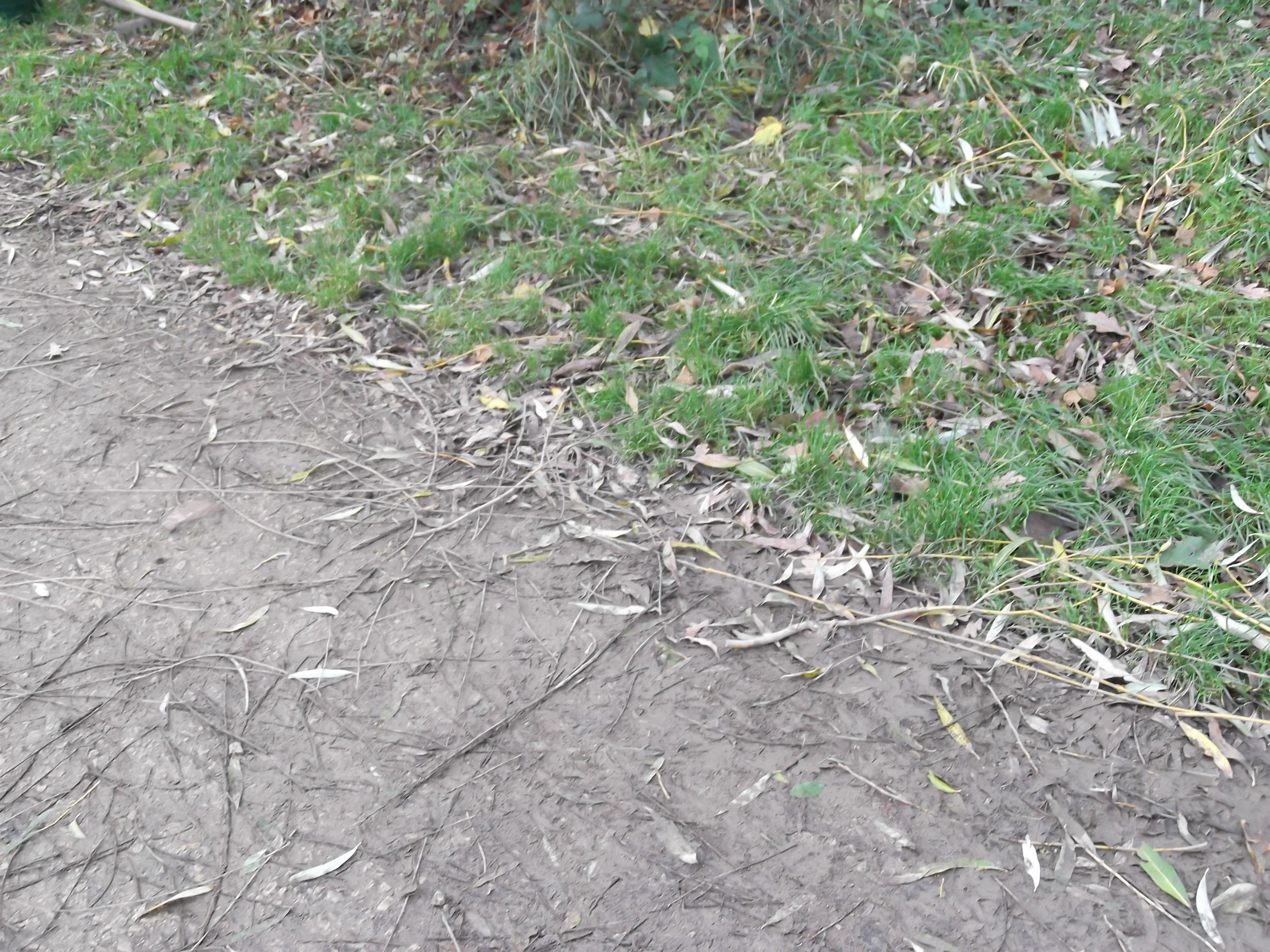
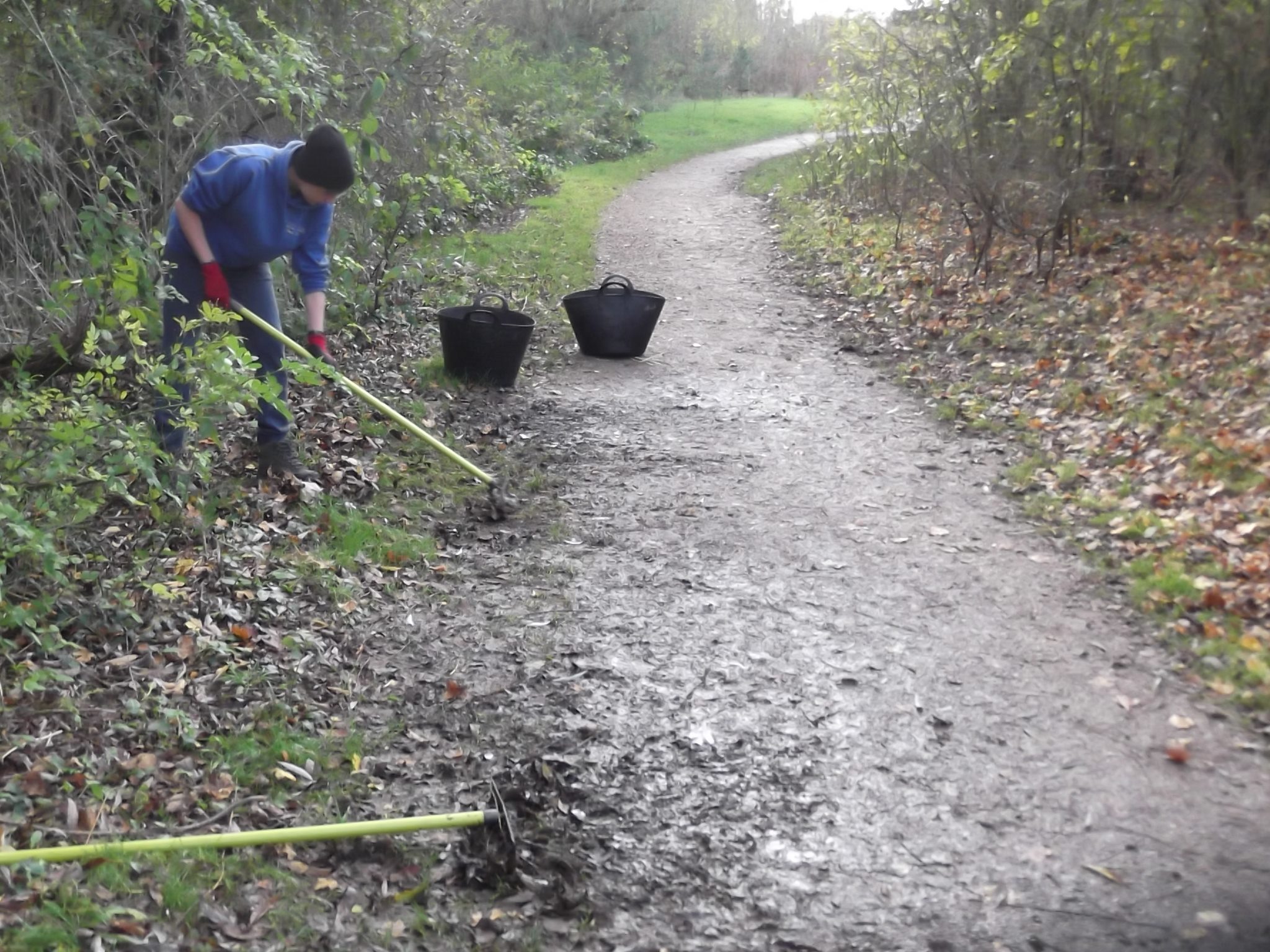
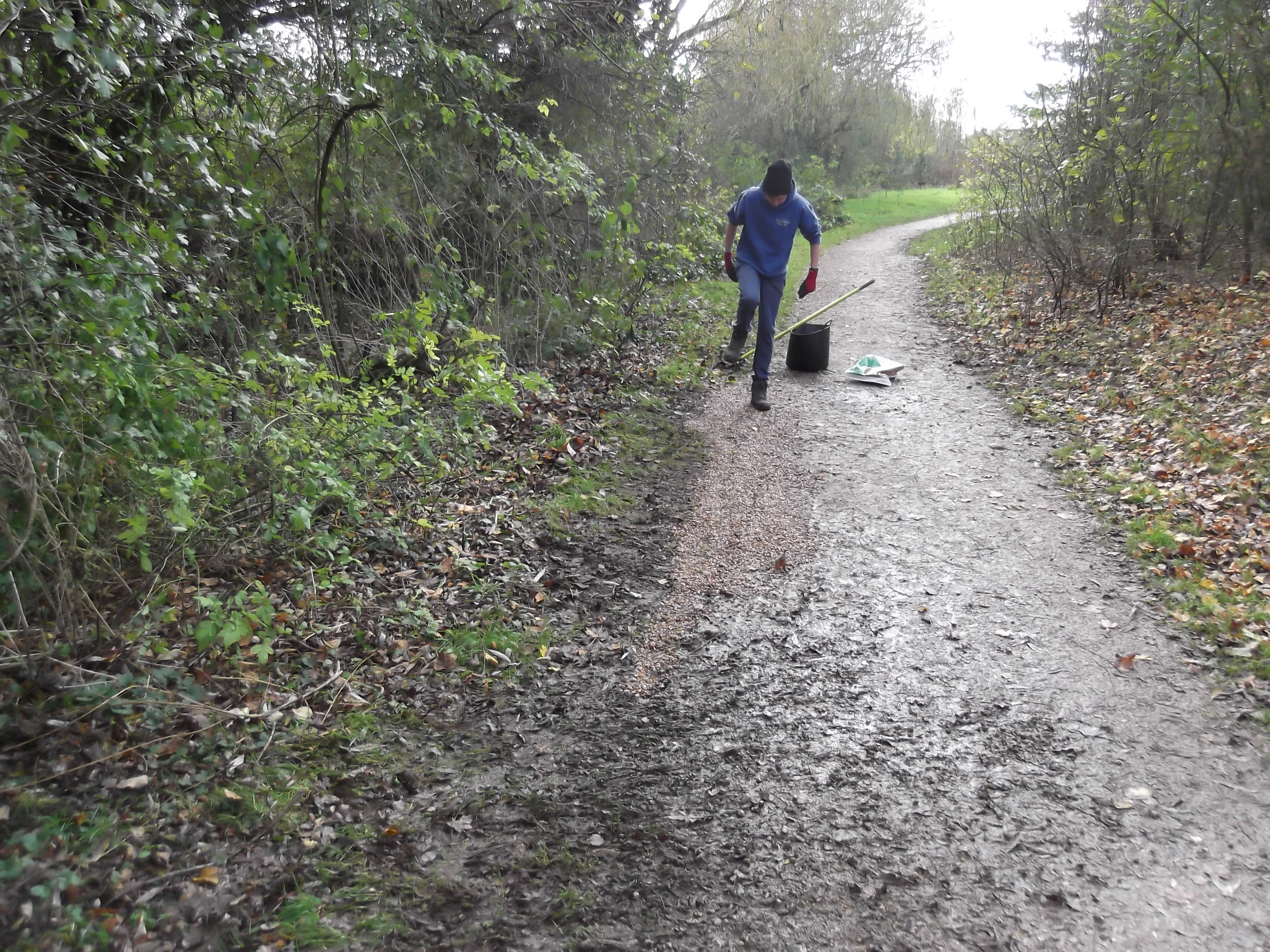
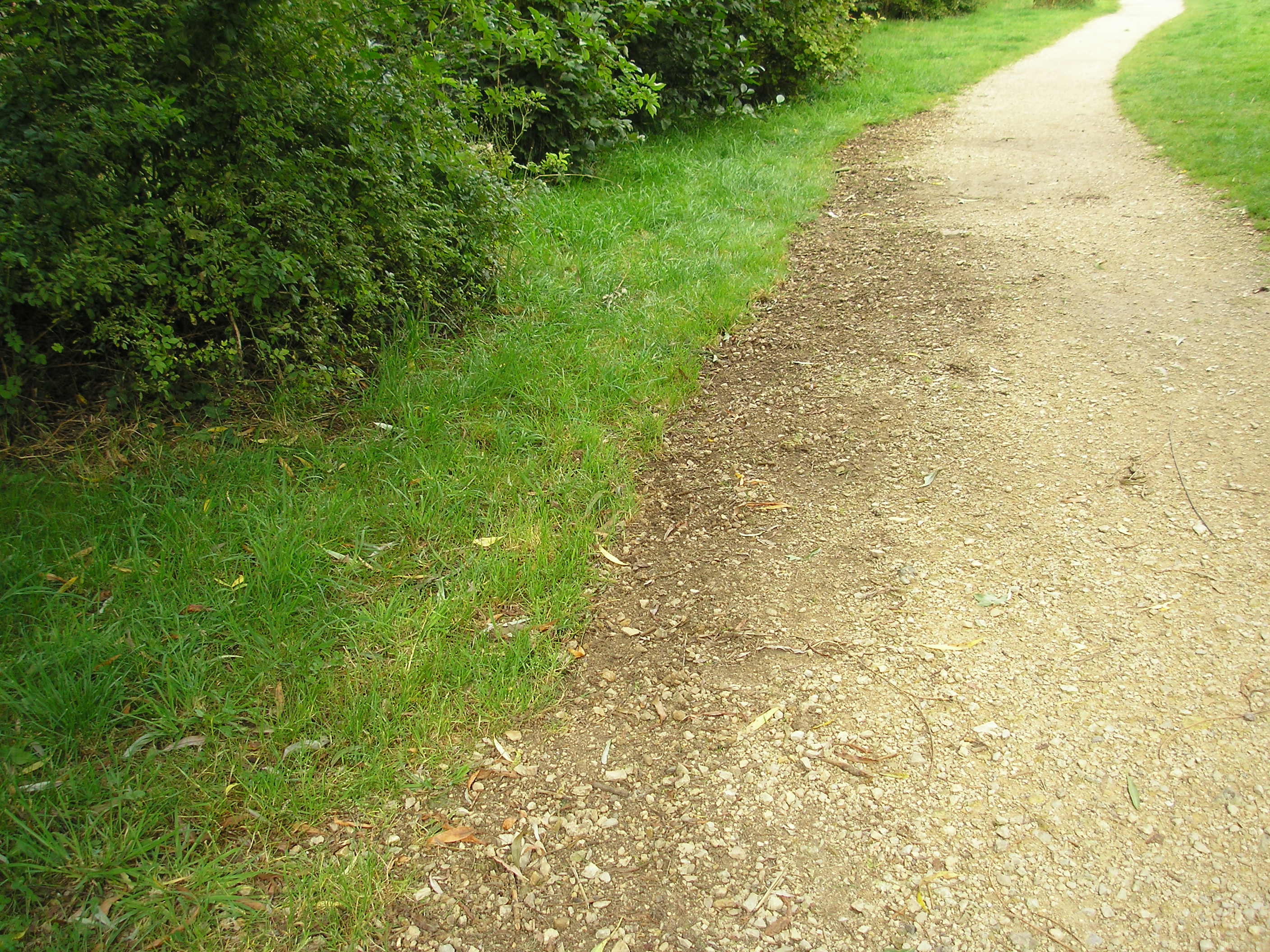
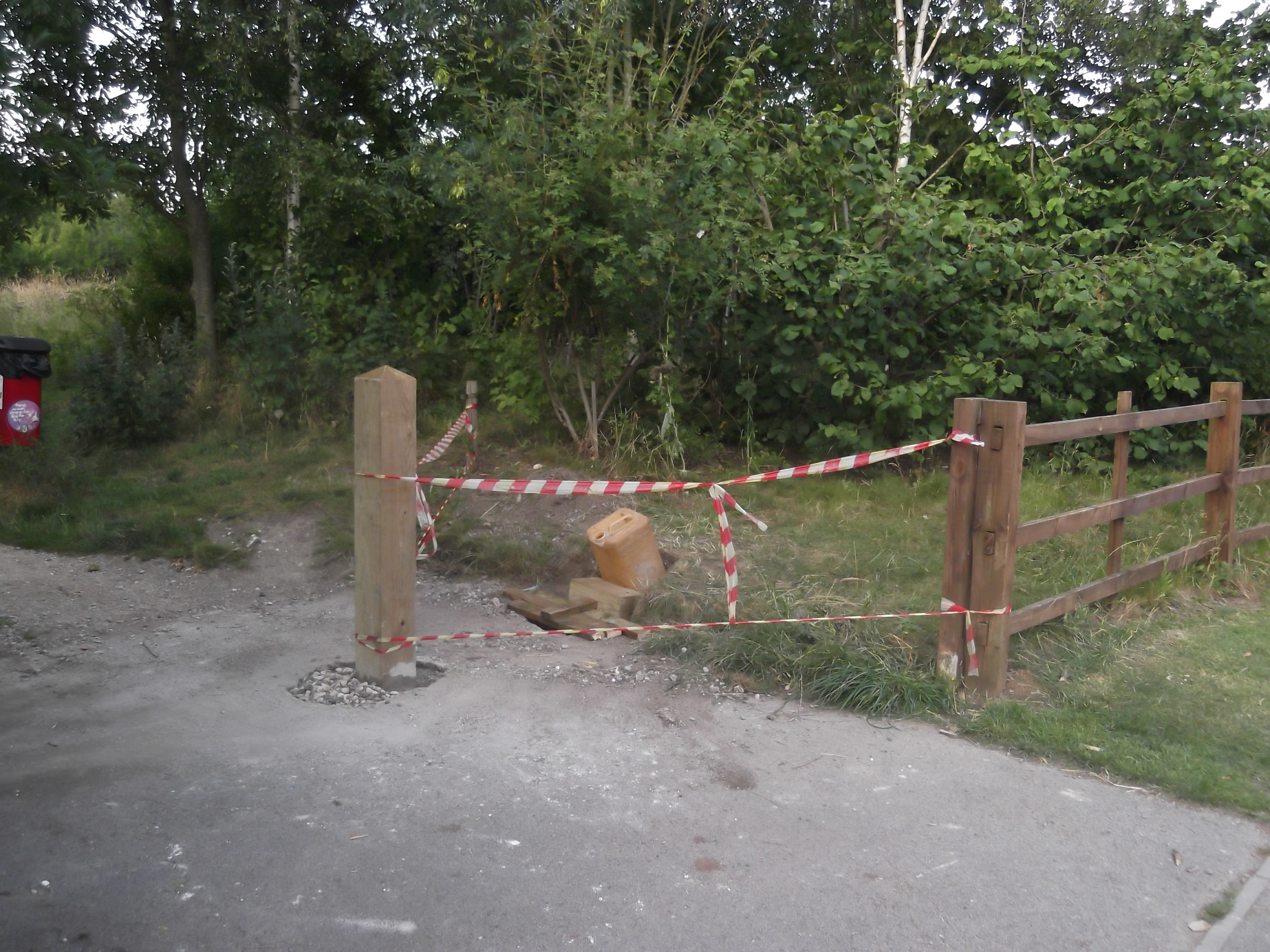
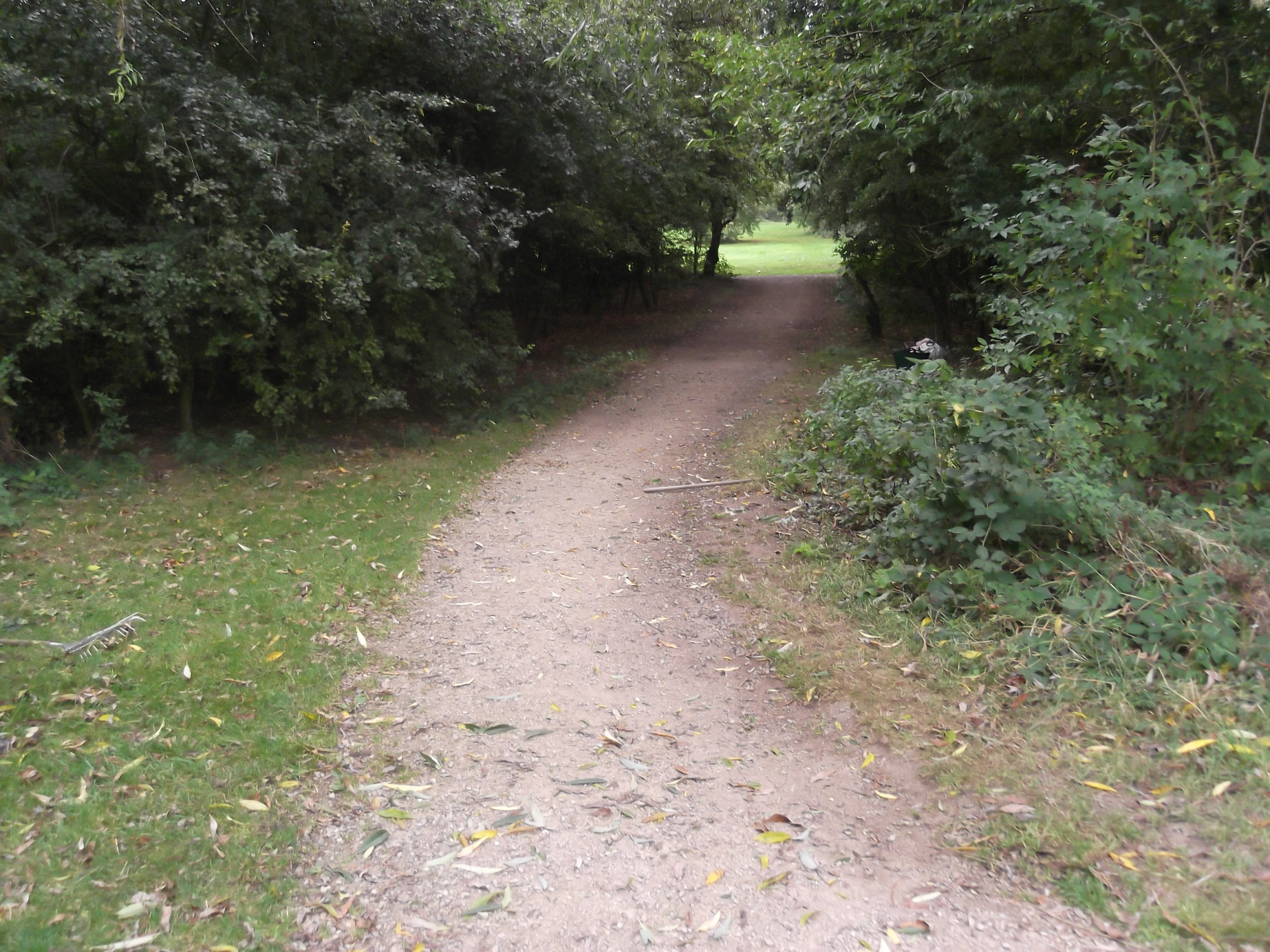
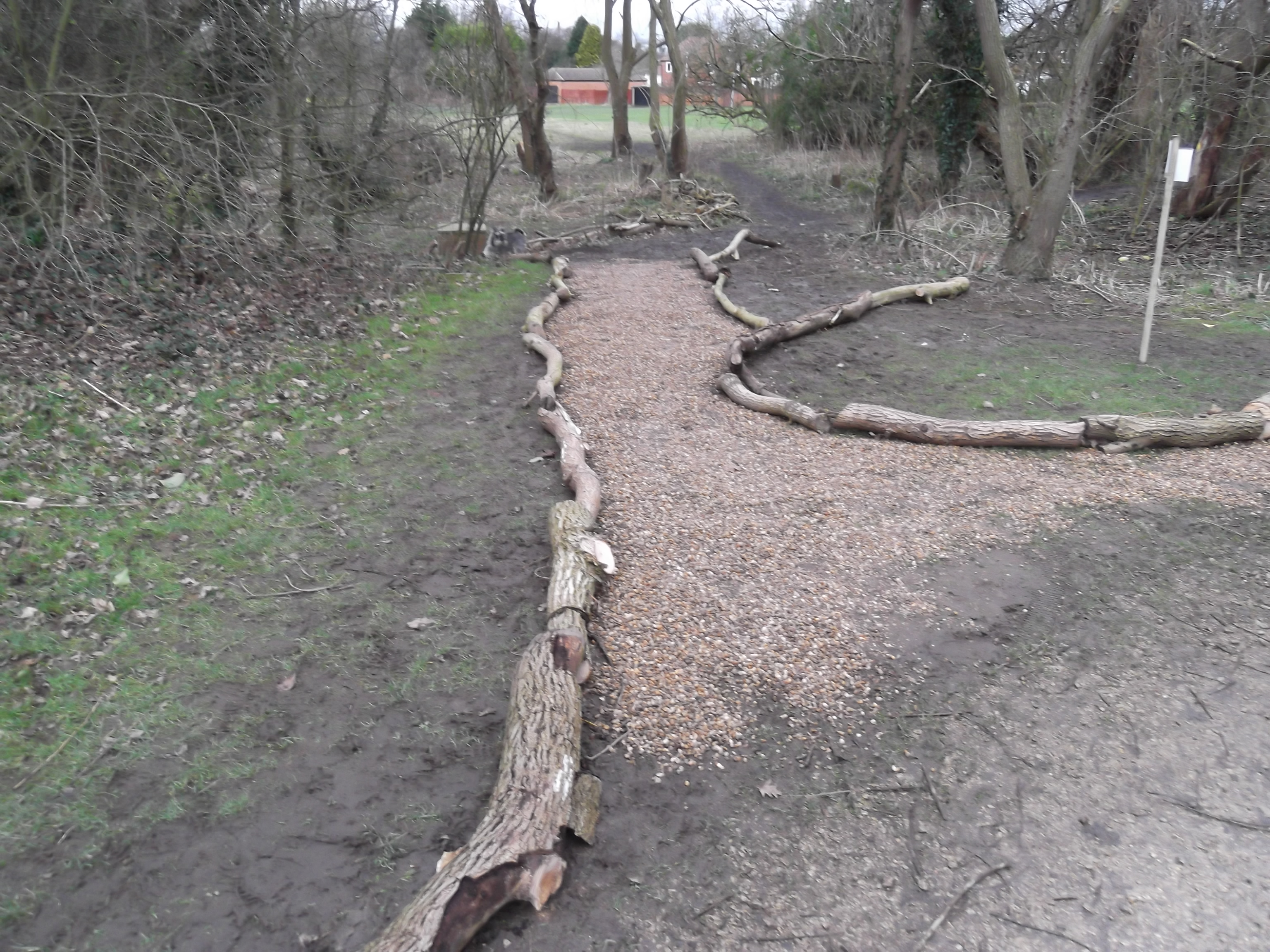
Cyclists have made a real mess of the grass near the MCT information board near Little Hob Moor by taking short cuts to the rear path.  We have put in log barriers to protect the grass while we try to restore it and to guide them to a narrower path by creating an obvious junction as shown below.  The problem’s been bad this year because of the prolonged wet periods.  Applying 12 bags of gravel has made the area less slippery for the time being, so safer for walkers.

DSCF1556

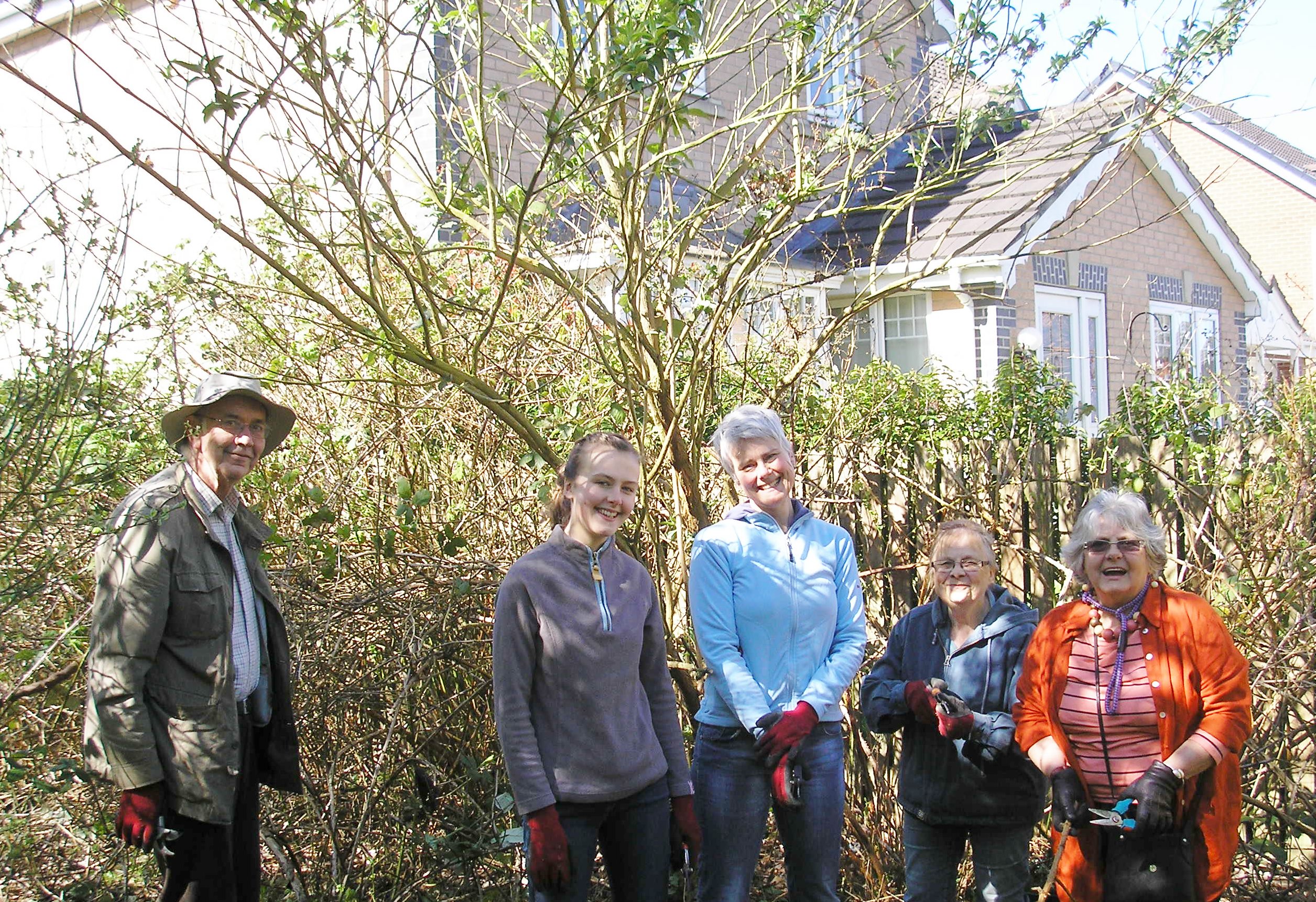
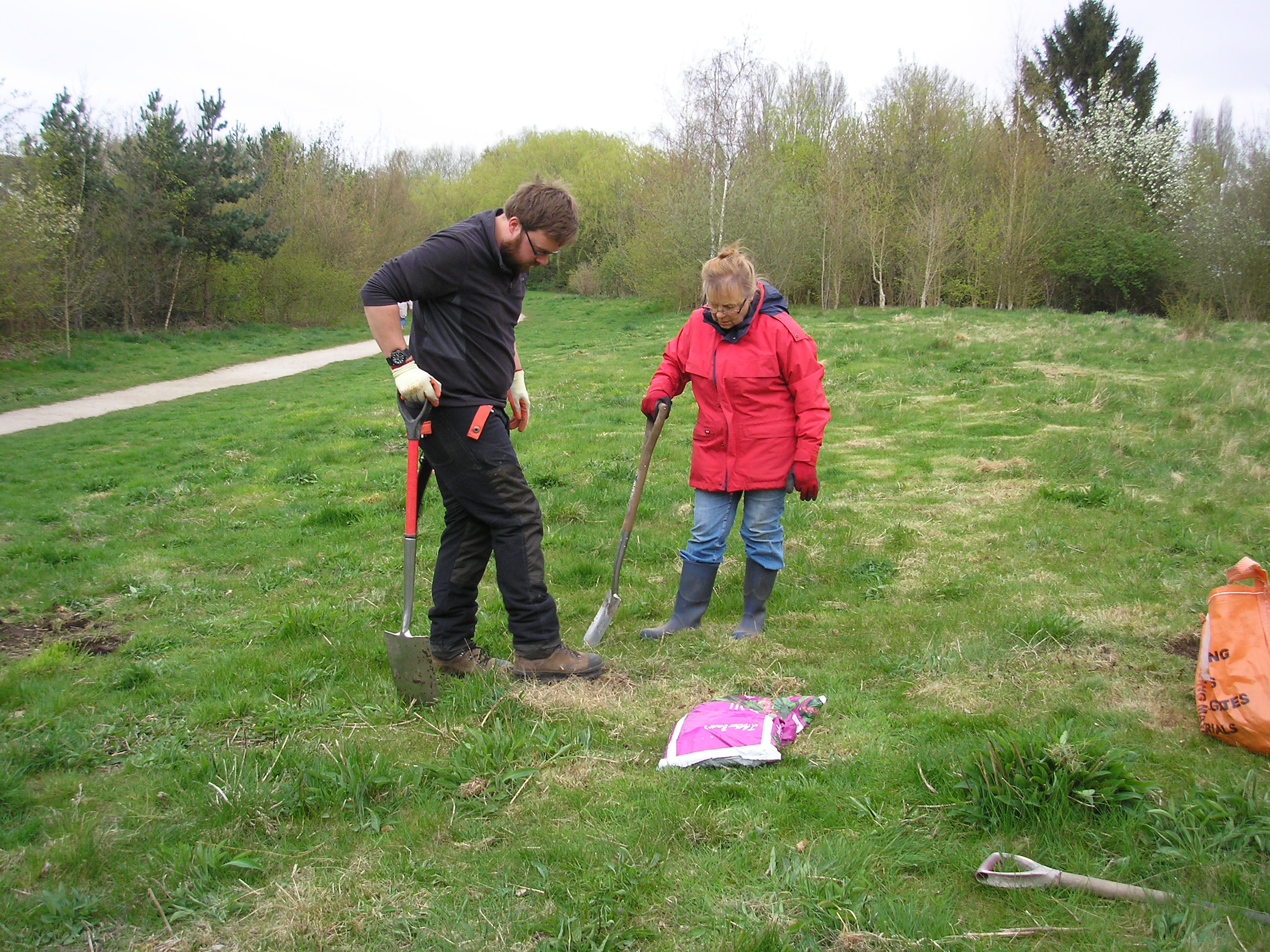
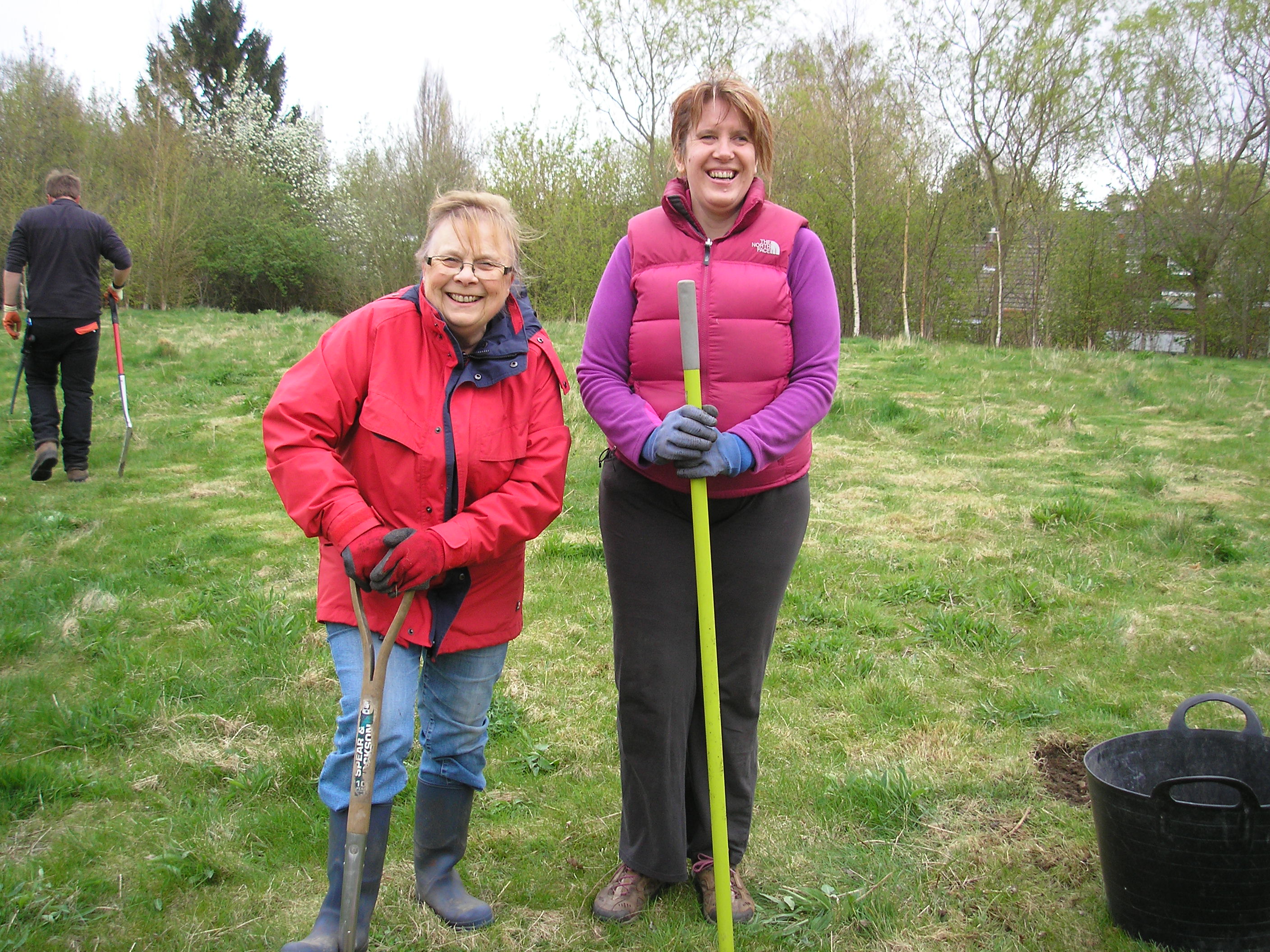
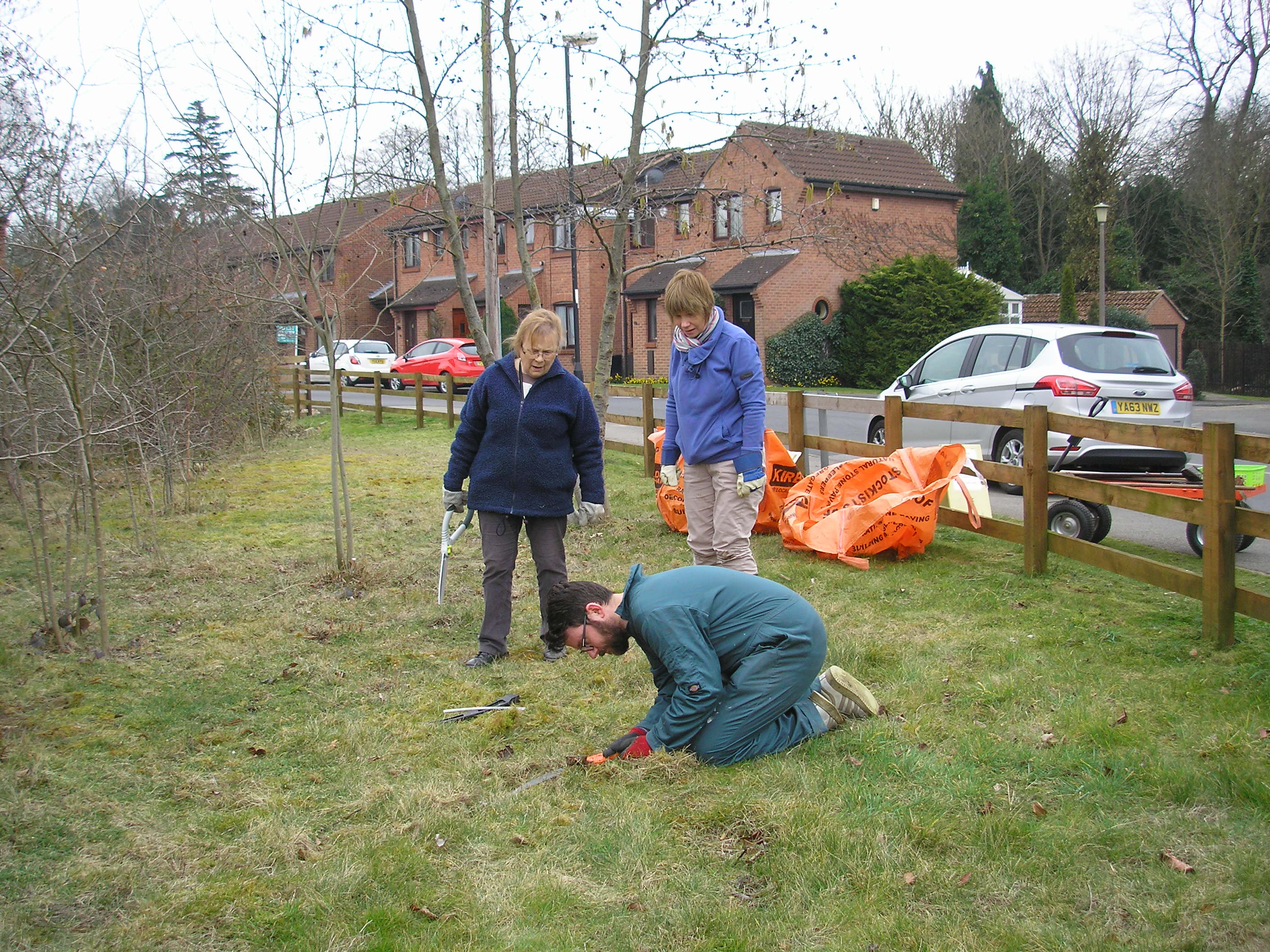
After a meeting of a group of Trustees and Volunteers on Valentine’s day we decided where to install the second bench funded by the Dringhouses & Woodthorpe Ward Committee.  Pam’s photo (below) shows Malcolm, Paul and Adam hard at work digging out half a metre depth of soil to house the concreted-in bench legs.  Meanwhile Jacqui, Lee, Louise and Lesley were working on the dead hedge at the north end of the site before coming to help with the installation.  We were delighted to welcome Lee to our volunteer session.  You can see a short video of how the installation is done on our Facebook page.


Sally Flint, one of the MCT Trustees, suggested it would be really nice to have a similar bench at the north end of the site near the notice board at the Little Hob Moor end.  It’s an excellent idea as it would provide a beautiful longer-distance view of the beautiful wooded and grassland landscape MCT is carefully developing.

The first bench was installed by Adam, Dave, Mike and Malcolm on February 11th on a beautifully sunny day.  We hope you’ll like it and some site users will find it useful at times.  We’ve already had a few very nice comments from passers-by (even before the Postcrete was dry!).  Thanks to Louise for the photo and carrying the necessary water.  You can see more photos of the installation process on the Mayfields Community Trust Facebook page,
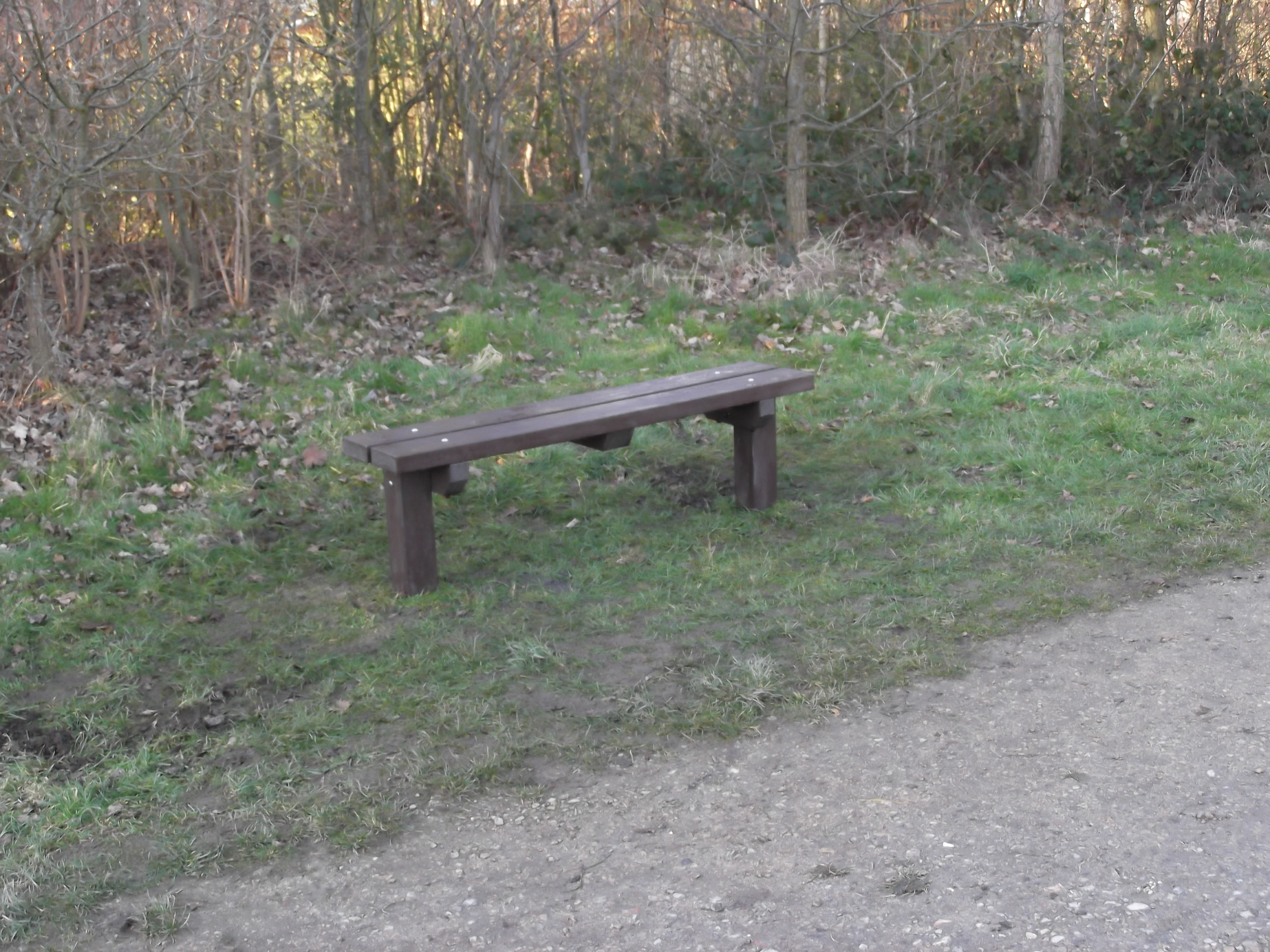
DSCF1528

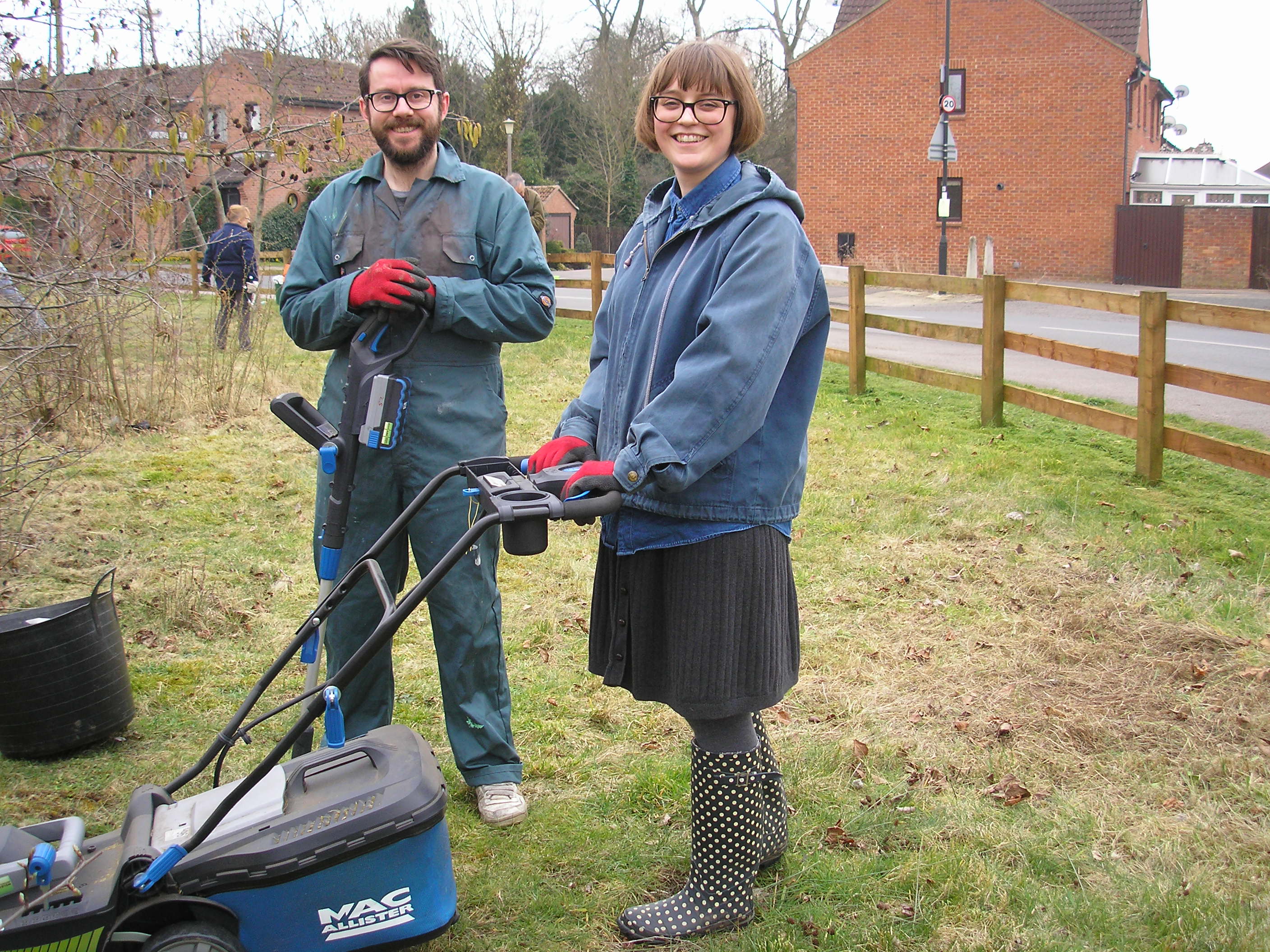
It’s nice as spring approaches to start getting ready for the new season.  Over the past few days MCT took delivery of a new 48-volt battery mower with spare battery, kindly funded by the Dringhouses & Woodthorpe Ward Committee and a donation from Nadine Dixon.  The Ward Committee are also funding two benches that arrived today too.  We’ll soon be digging the holes to set them in concrete, after adding metal rods at the base for added security.  They’ll be located to look over the wild flower meadow.

DSCF1519

   DSCF1517  DSCF1518

Photos below show the MCT Sunday volunteer activity worked well.  Pam Brown caught Lesley, Paul, Louise and Malcolm on camera at a very early stage by marker posts behind the old wood pile  She also helped with shifting lots of wood.  The second photo was at 16.30, so it was a longish day but we wanted it to be safe and quite neat before we left.  We’ll soon be planting in front of it (small shrubs and wild flowers).
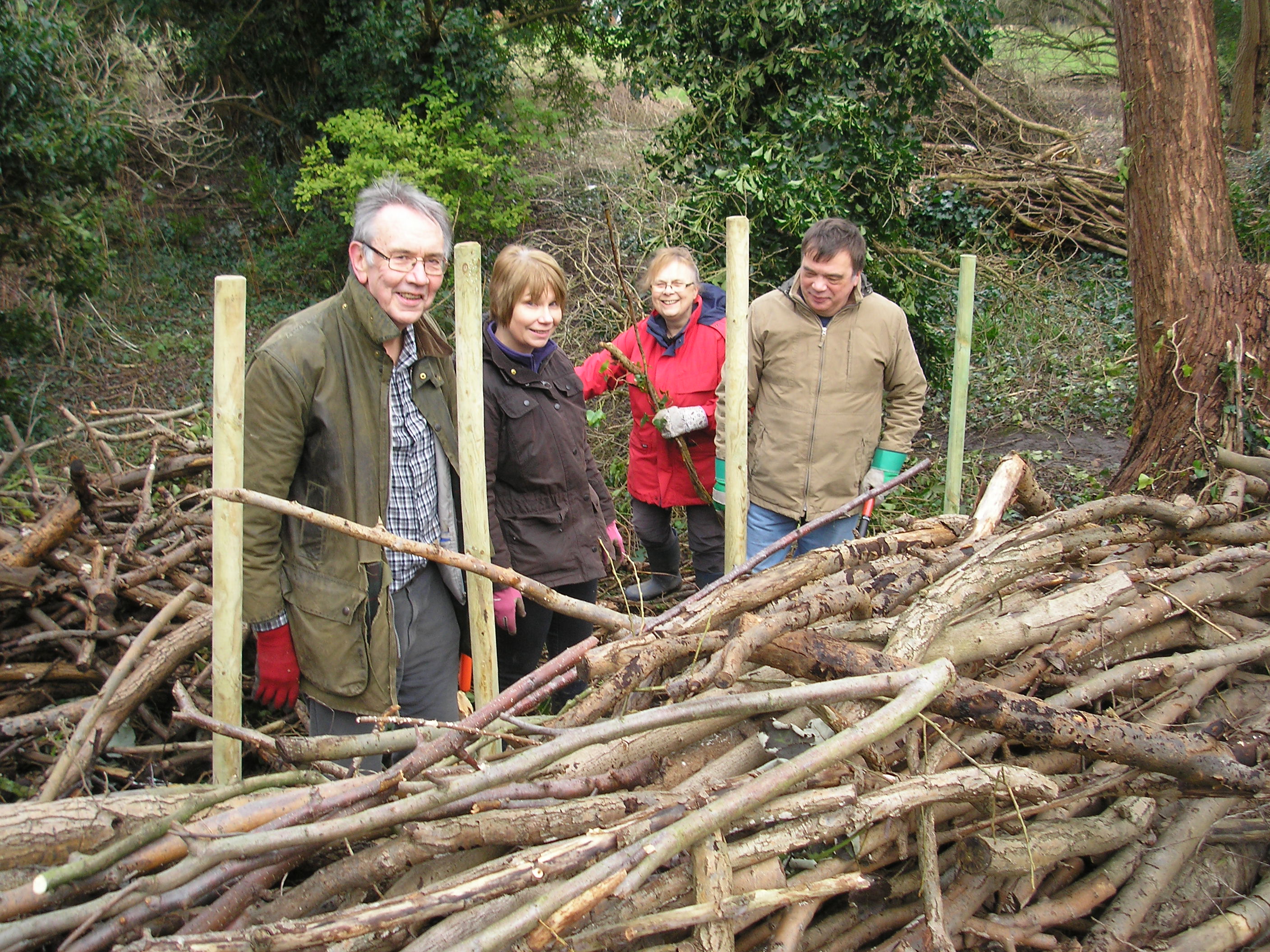
DSCF1514

Our regular Sunday morning volunteer sessions start up again on 7th February at 10.30.  We plan to extend the dead hedge at the north end of the west bund, so do come and help if you’d like to and have an hour or so to spare.

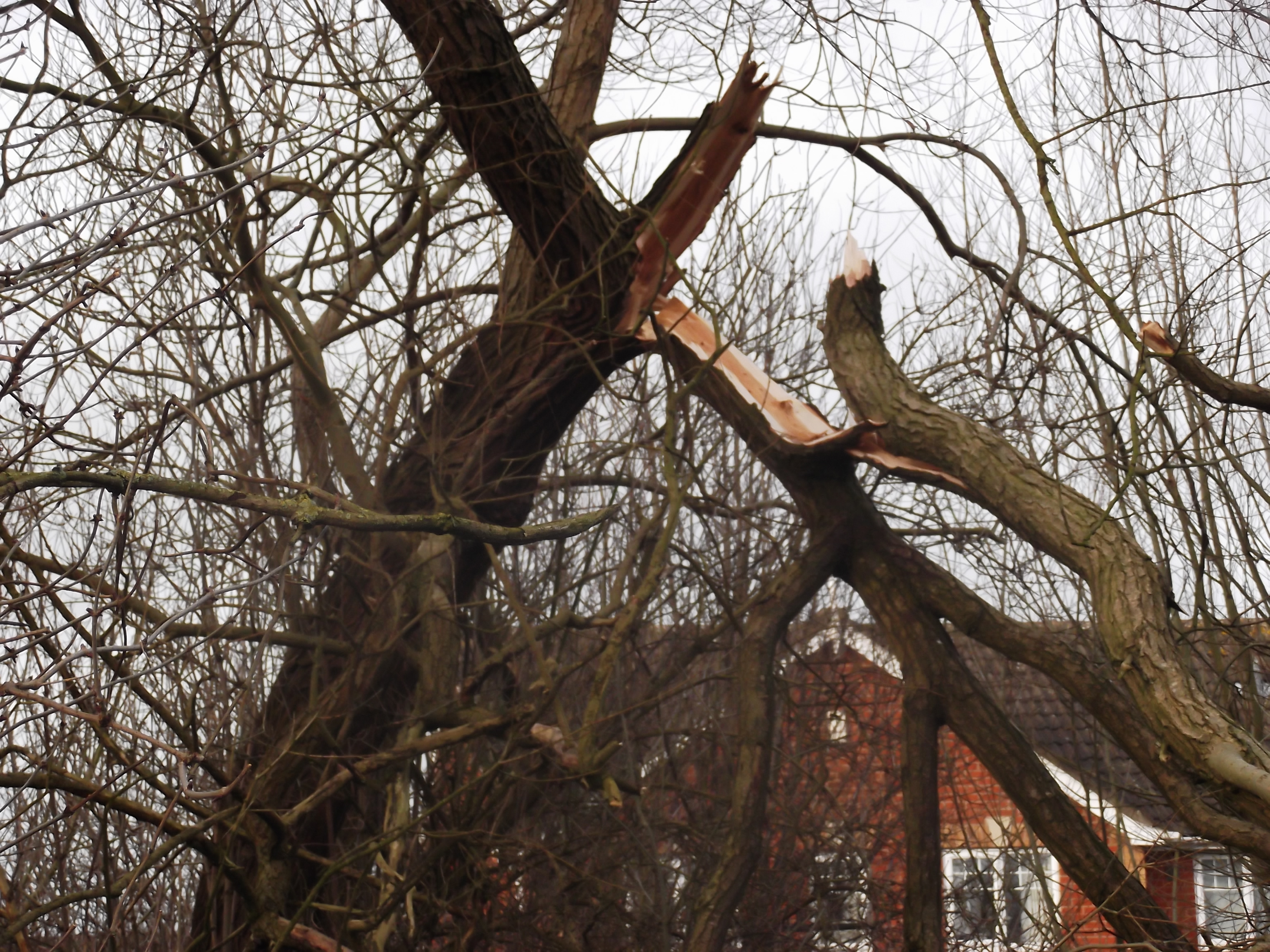
High wind on February 1st conveniently reduced the height of a dead tree on the edge of the site managed by MCT.  The local tree warden, Ian Tomlinson, and the MCT field work co-ordinator had been watching the tree for several months, but it was left standing as an invertebrate habitat much loved by local woodpeckers.  As the top fell in the night it was “caught” by an adjacent live willow, so it obligingly slid safely on to one of Ian’s habitat wood piles.

DSCF1500

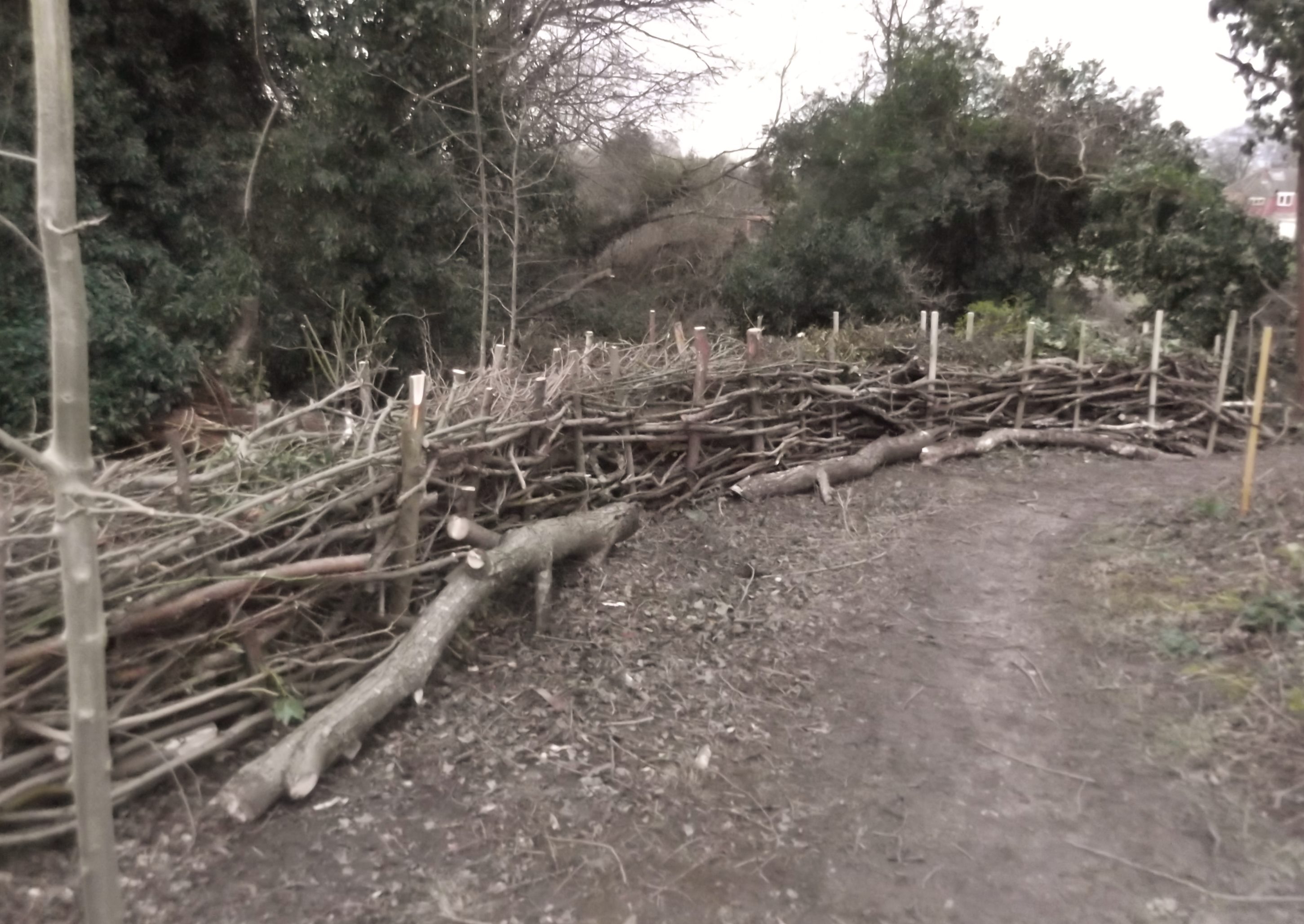
An alternative way of providing nesting habitats is the creation of dead-hedges.  Mike, Dave, Adam and Malcolm started creating a south-facing dead hedge on 28th January from waste materials on the site.  The hedge will also partially screen off the composting area.
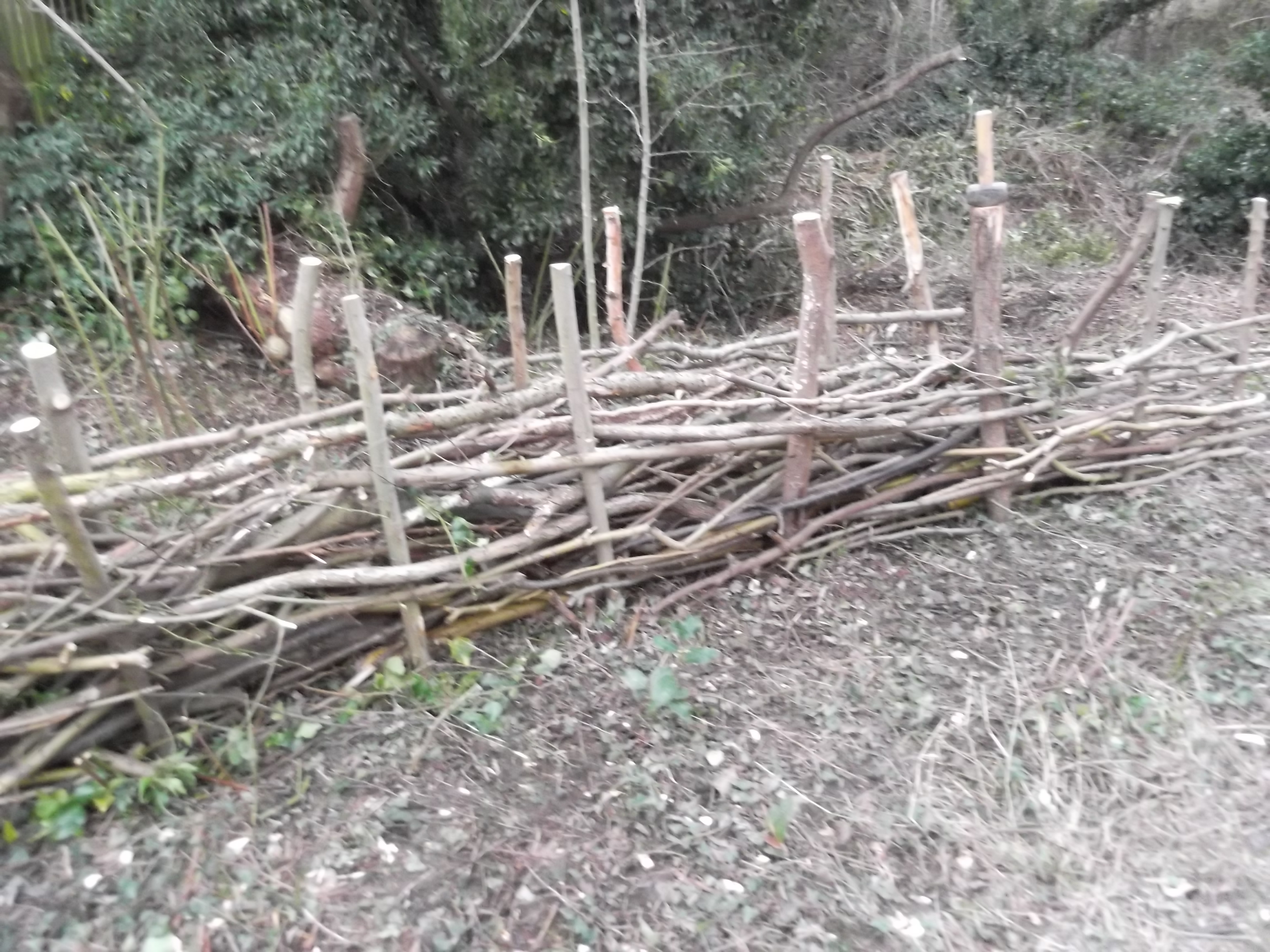
DSCF1495

We took advantage of the mild weather on 27th Jan to put up a couple more insect hotels on the site.  One is south facing and the other east facing so it will be interesting to compare occupancy later this year.

DSCF1491  DSCF1494

While checking distances on Jan 26th for MCT’s submission to Buglife, the fieldwork co-ordinator noticed that our snowdrops beside the path near Little Hob Moor (below left) are coming on well, but spotted a small clump doing even better behind the east bund (below right).
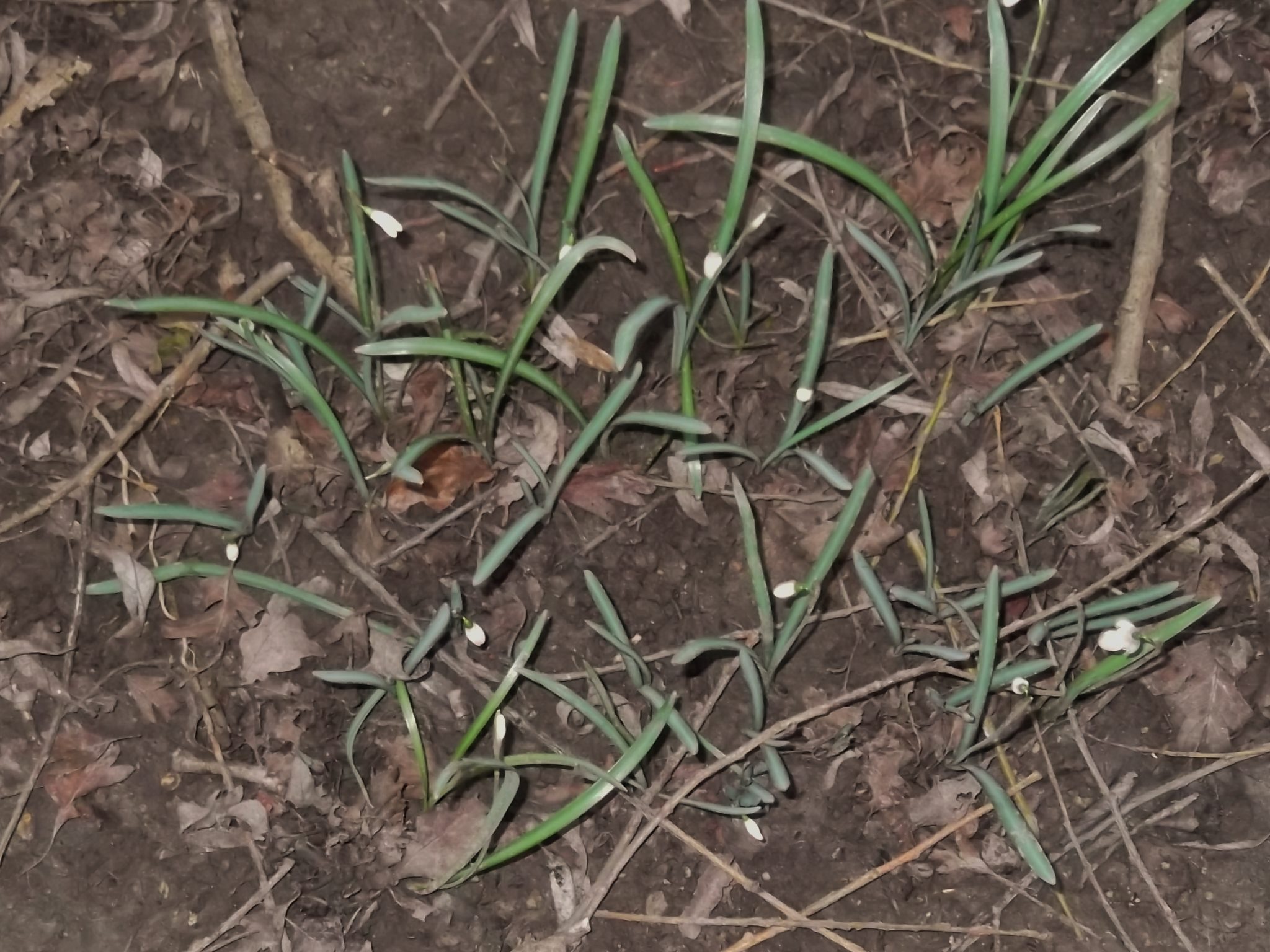
Snowdrops by pathJan26_2016 DSCF1486

The observant  regular site users may have noticed that on Thursday 21st Jan a lot of the ivy was removed by volunteers from two willows just beyond the north end of the west bund.  This was necessary to assess tree health (it revealed bracket fungi on one) before trimming some of the branches shading young trees at the end of the bund that we want to grow on.  MCT is making sure that a wide range of tree ages and types is being maintained on the site.

Louise and Pam braved the cold on Sunday morning (17th Jan) to count over 700 trees looked after by MCT just on the west bund.  There must be well,over 2 thousand on the site!  They also did litter picking near the playground then and on the 24th.  It does seem that the litter bin in the playground isn’t big enough as it couldn’t accommodate the 11 empty beer bottles they found nearby.

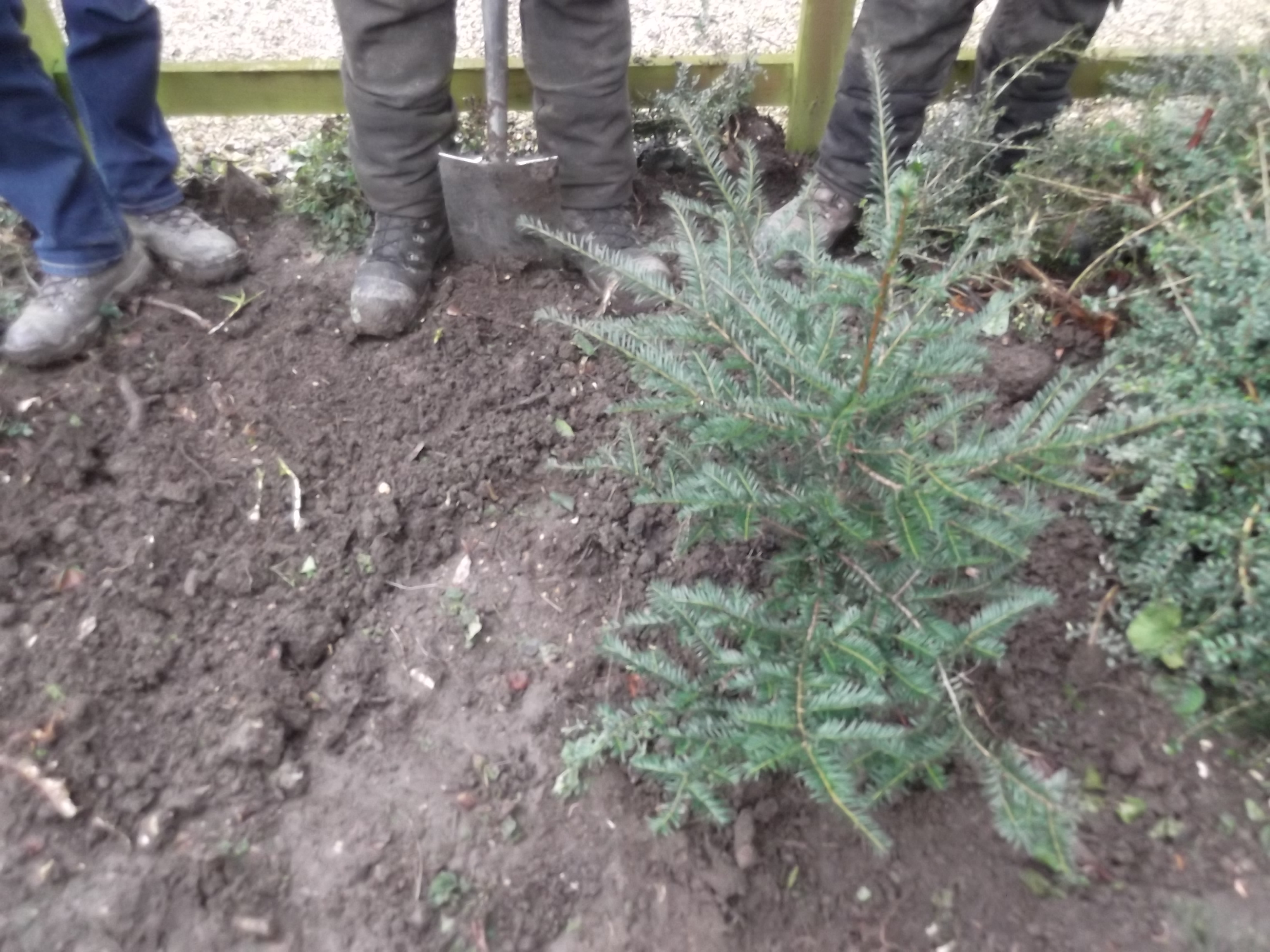
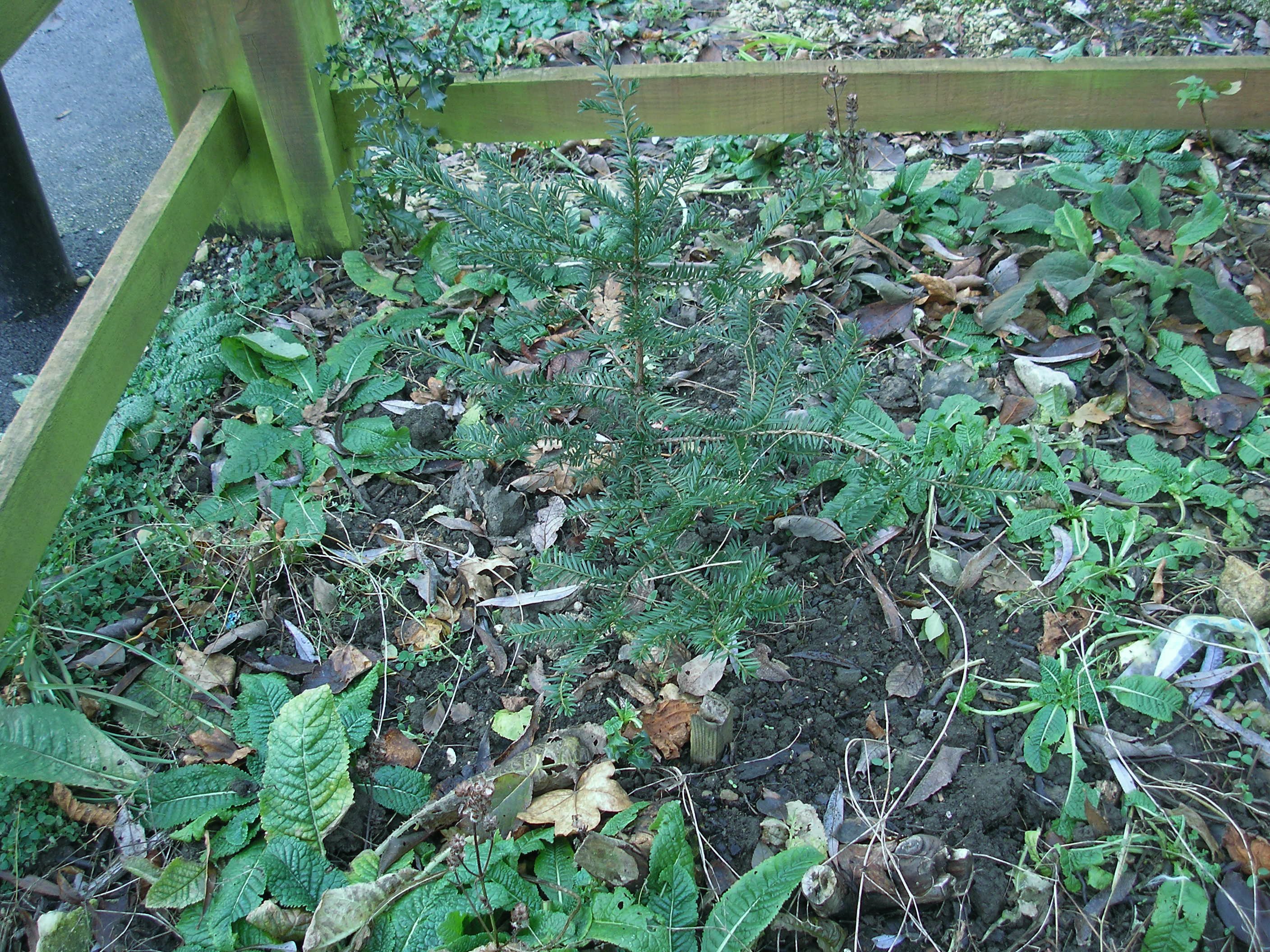
On 14th January 2016 four of our volunteers  moved the Yew tree by the gate back a couple of feet to give it more room to grow in future years in response to a useful suggestion from Harvey Lowson, the CYC tree expert.  As it does we’ll reduce the Elder behind it.  The move involved digging out a couple of stubborn old tree roots first (see below).  It was cold with flurries of snow, but the soil was still relatively appreciably warmer and not too wet, so it should be fine.
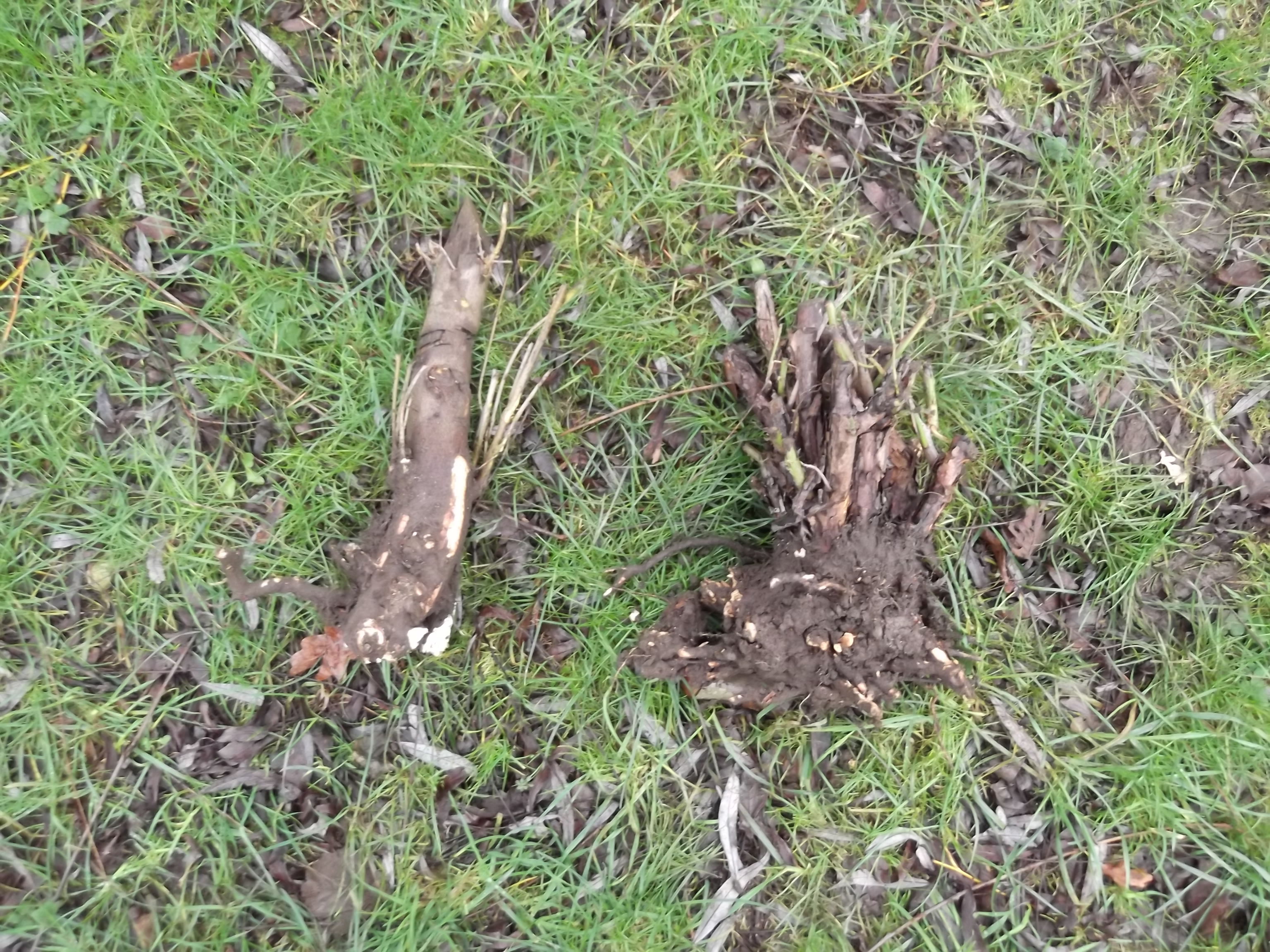
DSCF1476  DSCF1479

DSCF1480

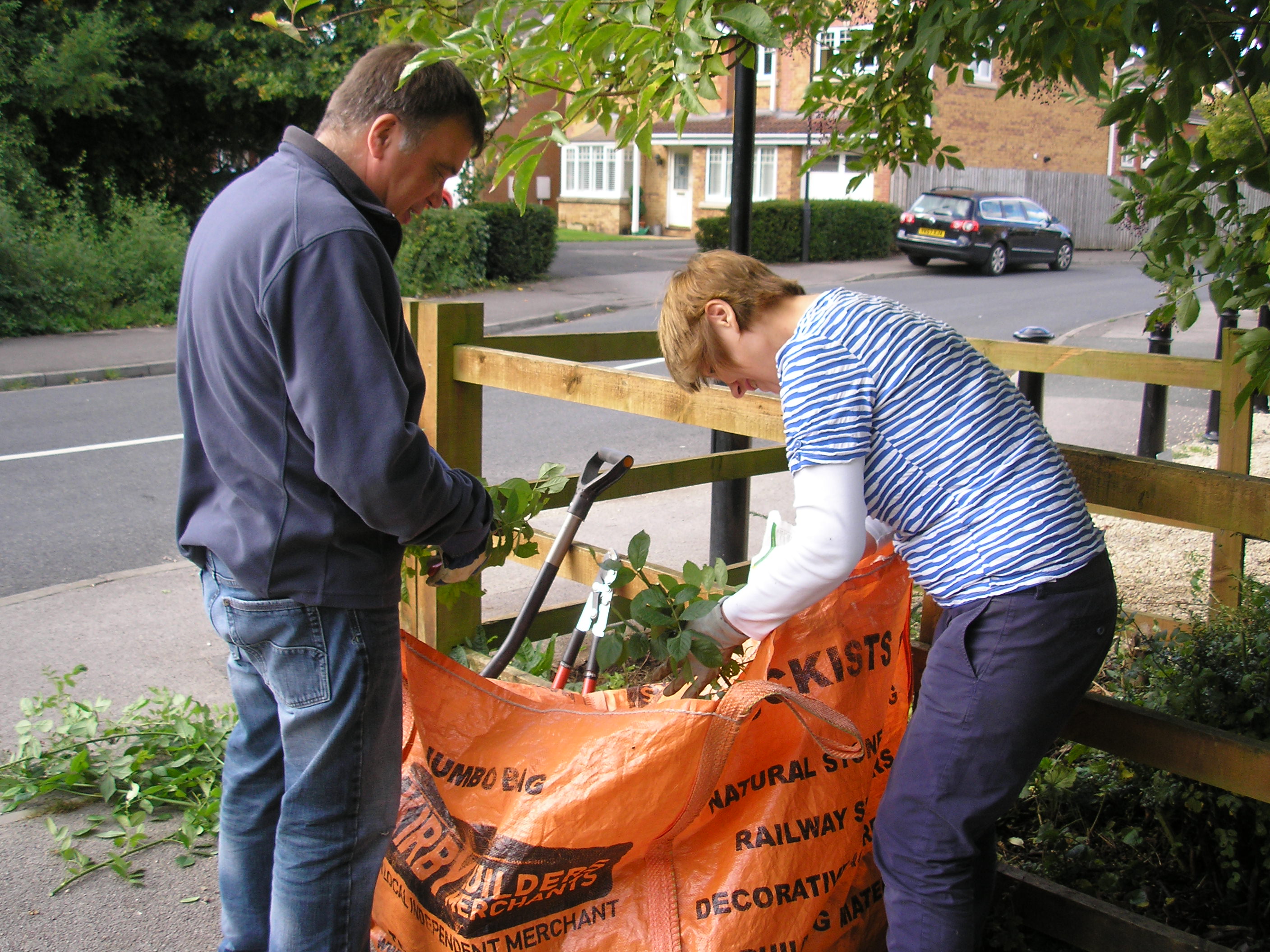
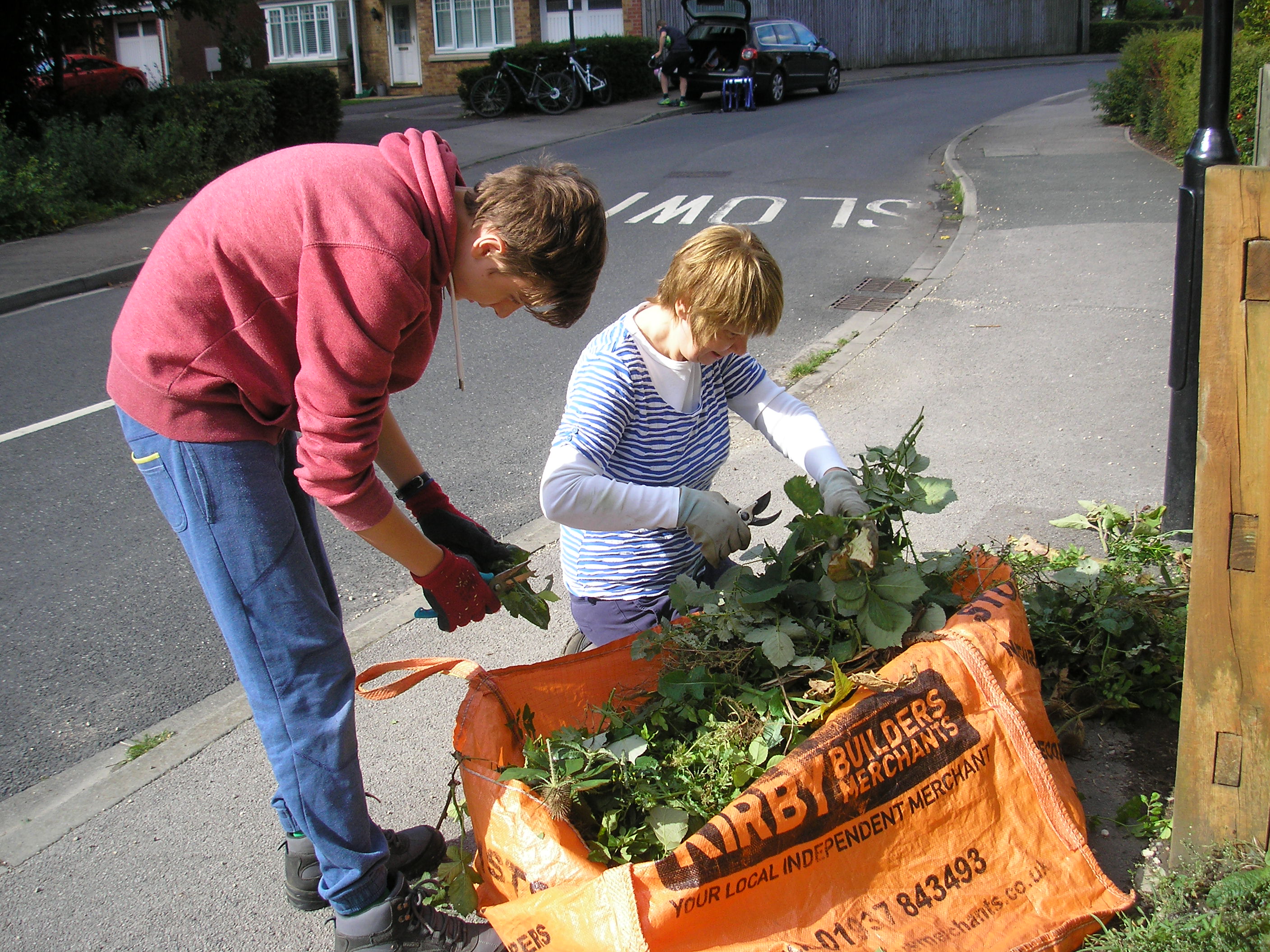
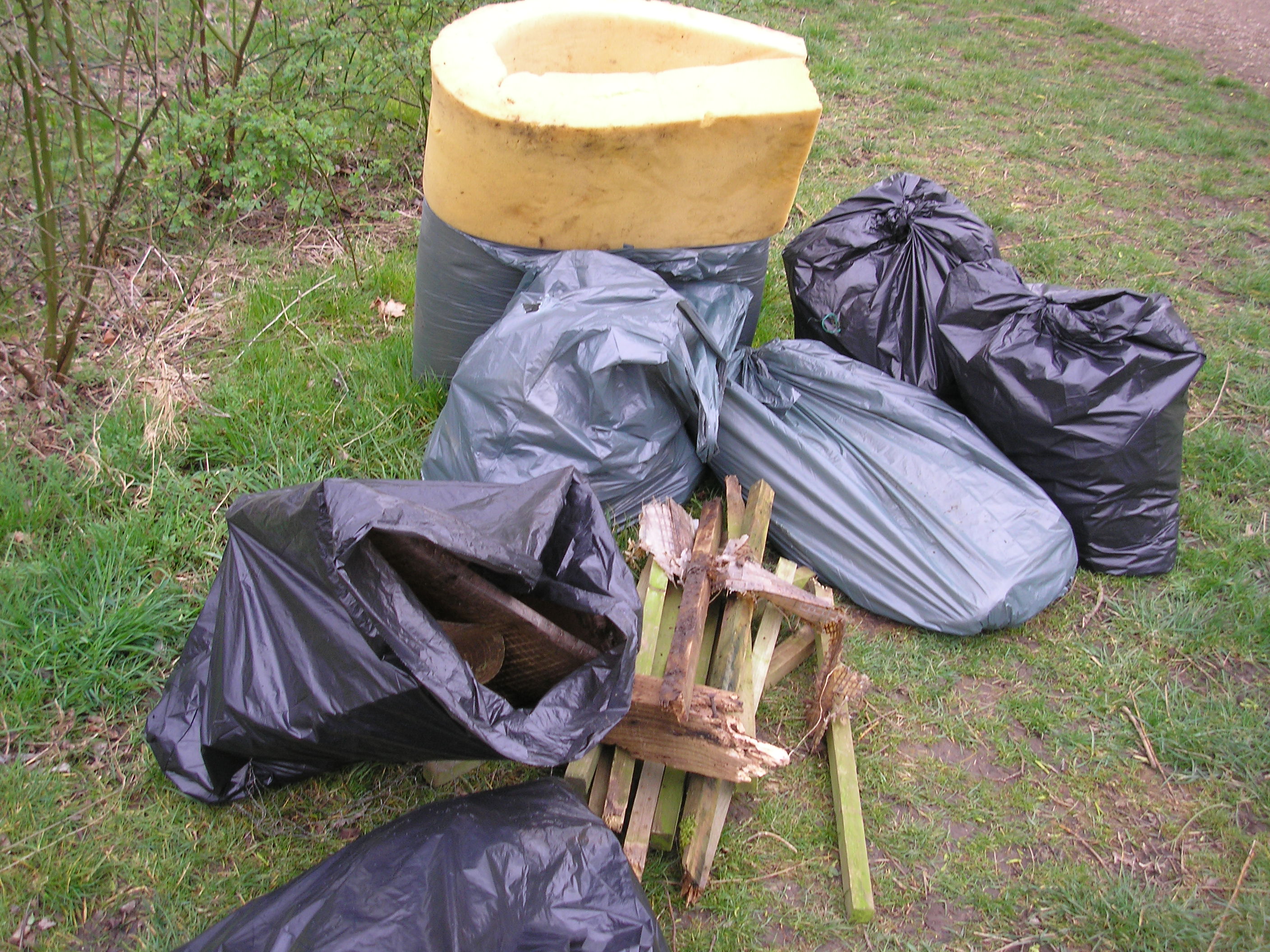
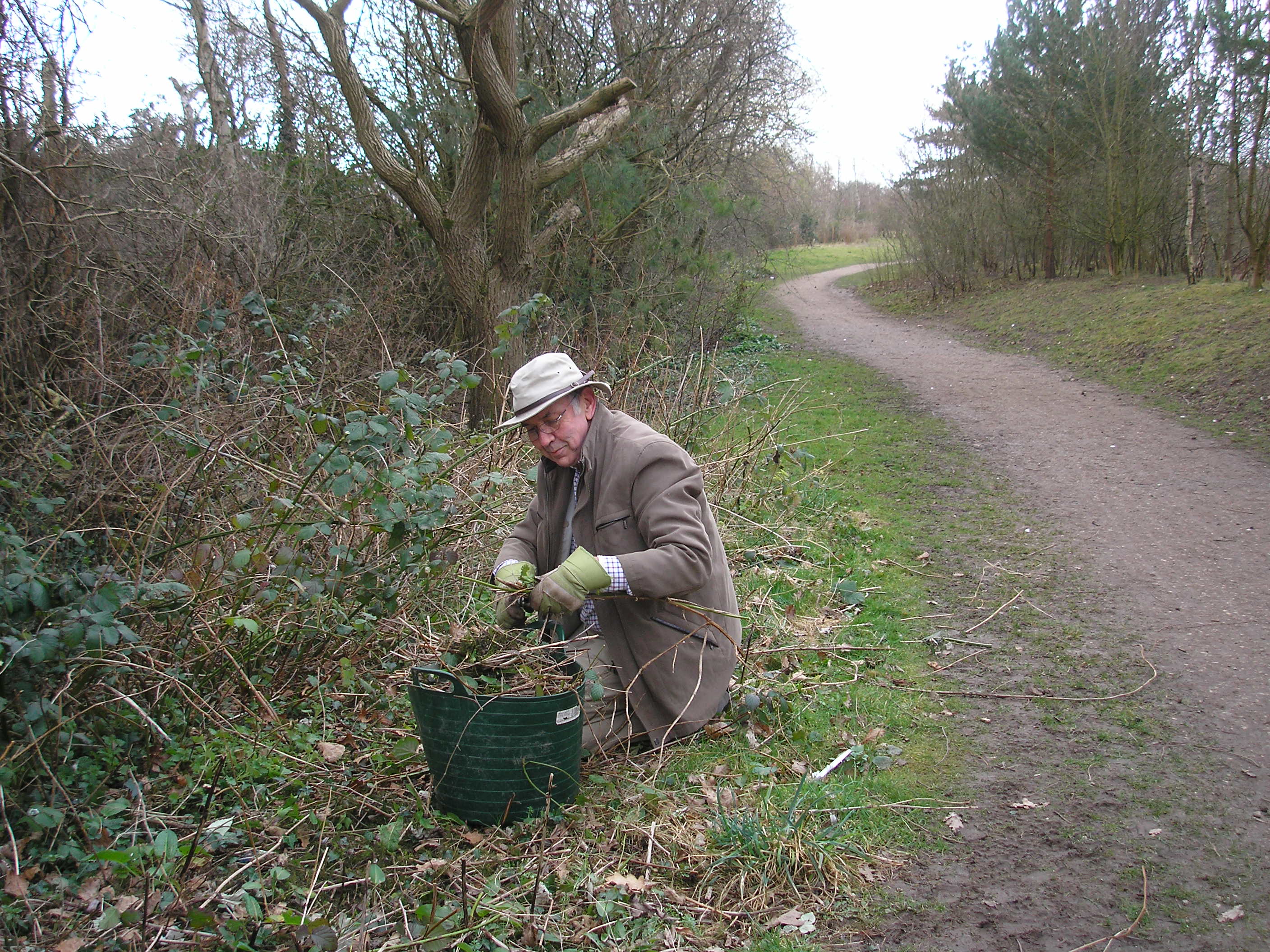
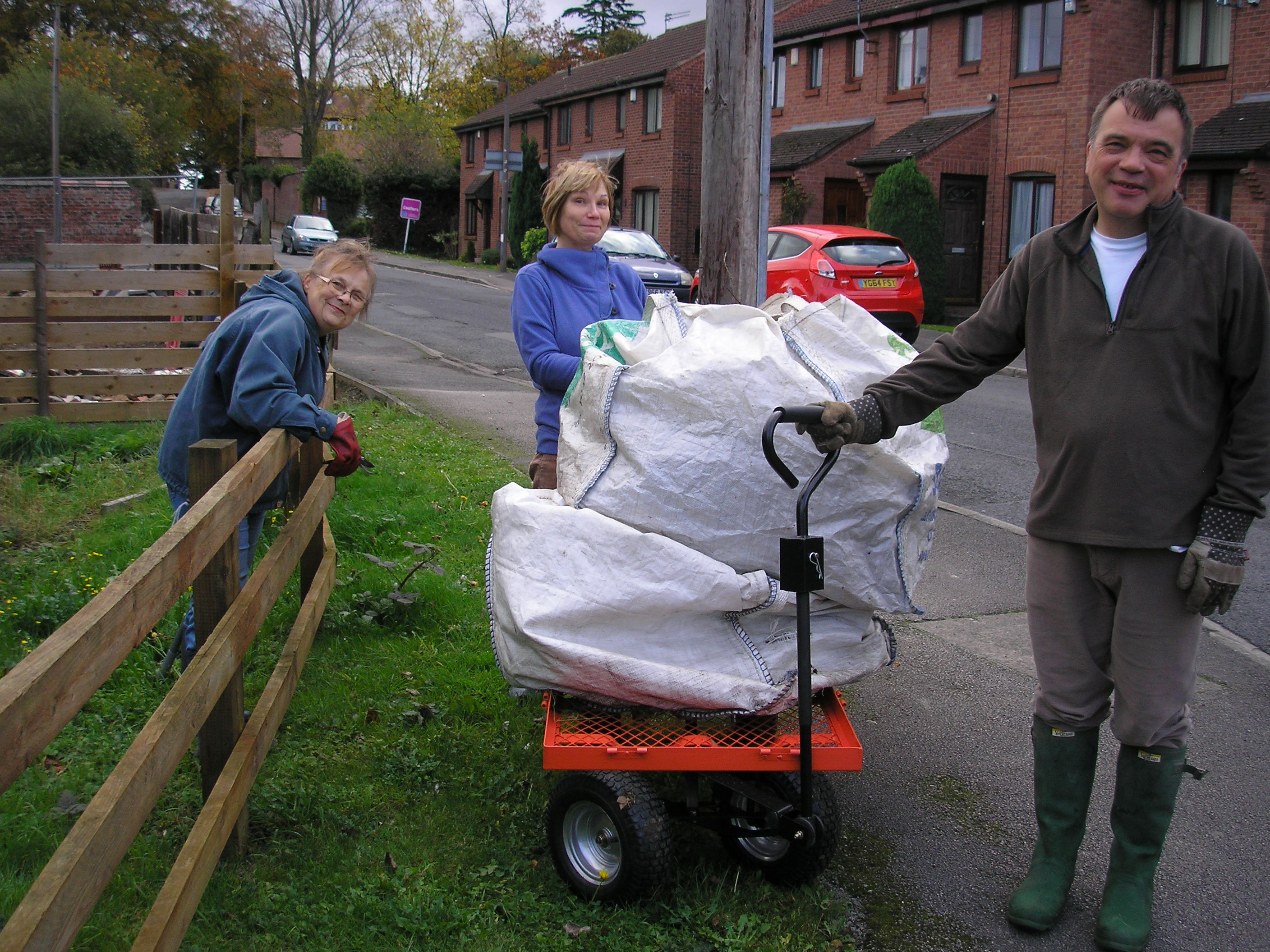
A break in the weather on the morning of Sunday 10th January allowed Louise, Pam and Malcolm to spend an hour gathering up litter and disposing of it properly.  Cans and bottles in (and round) the playground included a broken vodka bottle that needed careful collection for obvious reasons.  Almost as anti-social was the pile of very thorny  garden prunings from a Pyracantha dumped beside the rear path; we cut them up, bagged them (as below) and put the material on the compost heap.

RemovedWasteJan10_2016

It was really encouraging to see buds starting to open on the snowdrops that our volunteers planted last Autumn beside the path at the Little Hob Moor end.  We spotted several when clearing twiggy litter off the path on January 3rd.  Mind you, they need a bit more time to catch up with those on our New Year card!

NewYearCardSnowdrops

MCT activities in November & December 2015

MCT managed to add 8 more bags of gravel to resurface the path around the end of the west bund near Little Hob Moor between 27th and 29th December, so it should be less slippery and less muddy for dog walkers taking new year strolls. Keeping it safe has been a challenge after all the recent rain!

We popped out in the morning of December 27th to check on how the main path was holding up after all the rain.  There are a few puddles (but water rather than thick mud) and numerous twigs scattered over it so we’ve been very lucky compared with much of York and Yorkshire.  The grassed path around the end of the west bund was very muddy though, and quite slippery.  It needed a spot of TLC from MCT.

Dec27PathPuddles

We did a bit of work to improve the path behind the west bund at the Little Hob Moor end on December 23rd.  It had become very muddy and slippery because of the heavy late autumn rainfall and use by some cyclists.  It would help if they walked their bikes if using the path behind the bund for short distances.

XmasCard edited

MCT Trustees and a few members/partners/friends enjoyed an excellent festive Xmas dinner at York College on Wednesday night.  Thanks to Pam for the photos.


On December 14 the MCT fieldwork co-ordinator started trimming away side shoots adding excess weight to a snapped off branch on a willow on adjacent CYC land beside Little Hob Moor.  Ian Tomlinson, one of our local tree wardens, has been working hard to improve this patch of woodland over recent months and has done an excellent job.  You can see a path he has opened up on the “Adjacent Areas” page of this web site.

Wind-damaged tree, December

Wind-damaged tree, December

Trimming of lower branches for safety reasons

Trimming of lower branches for safety reasons

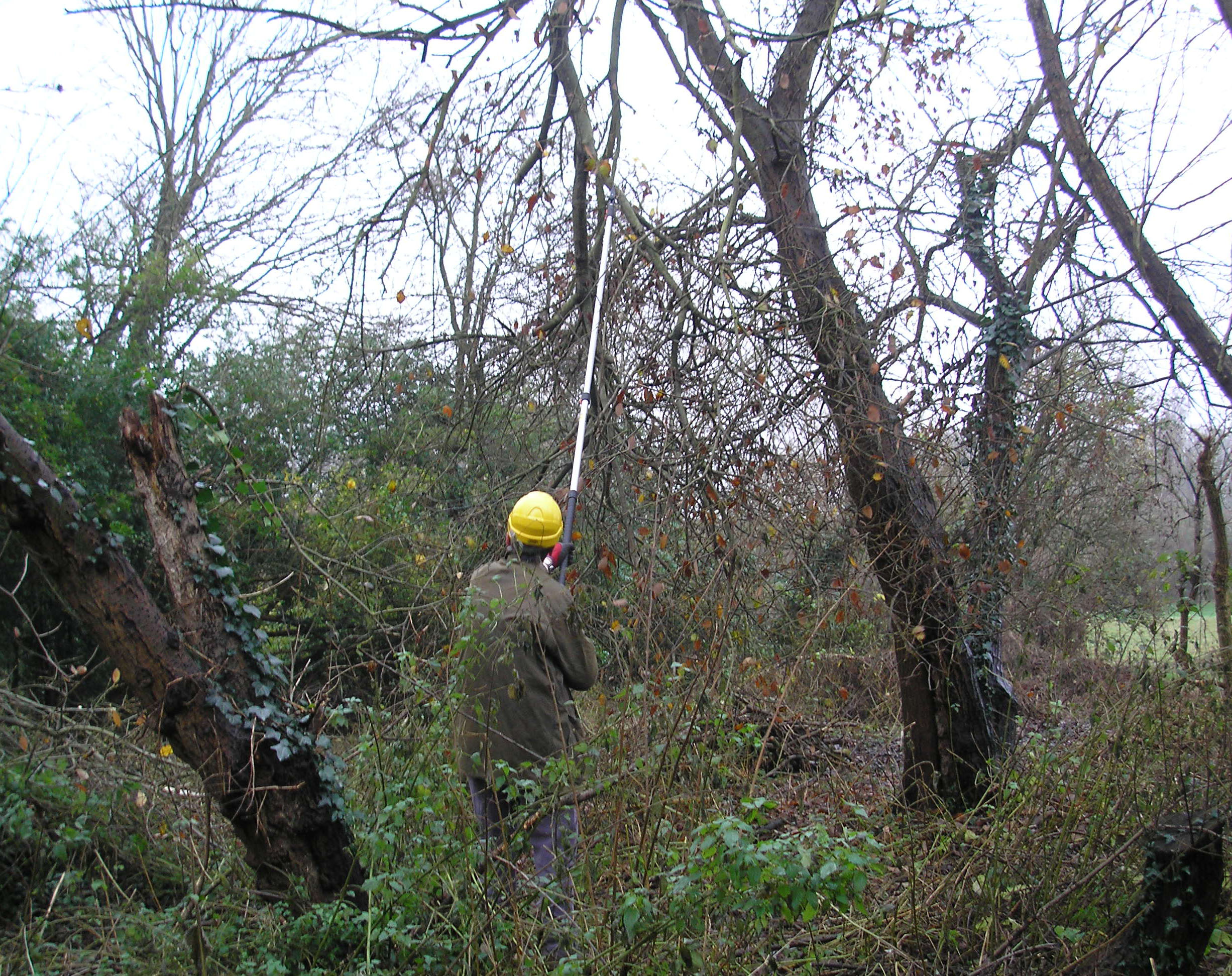
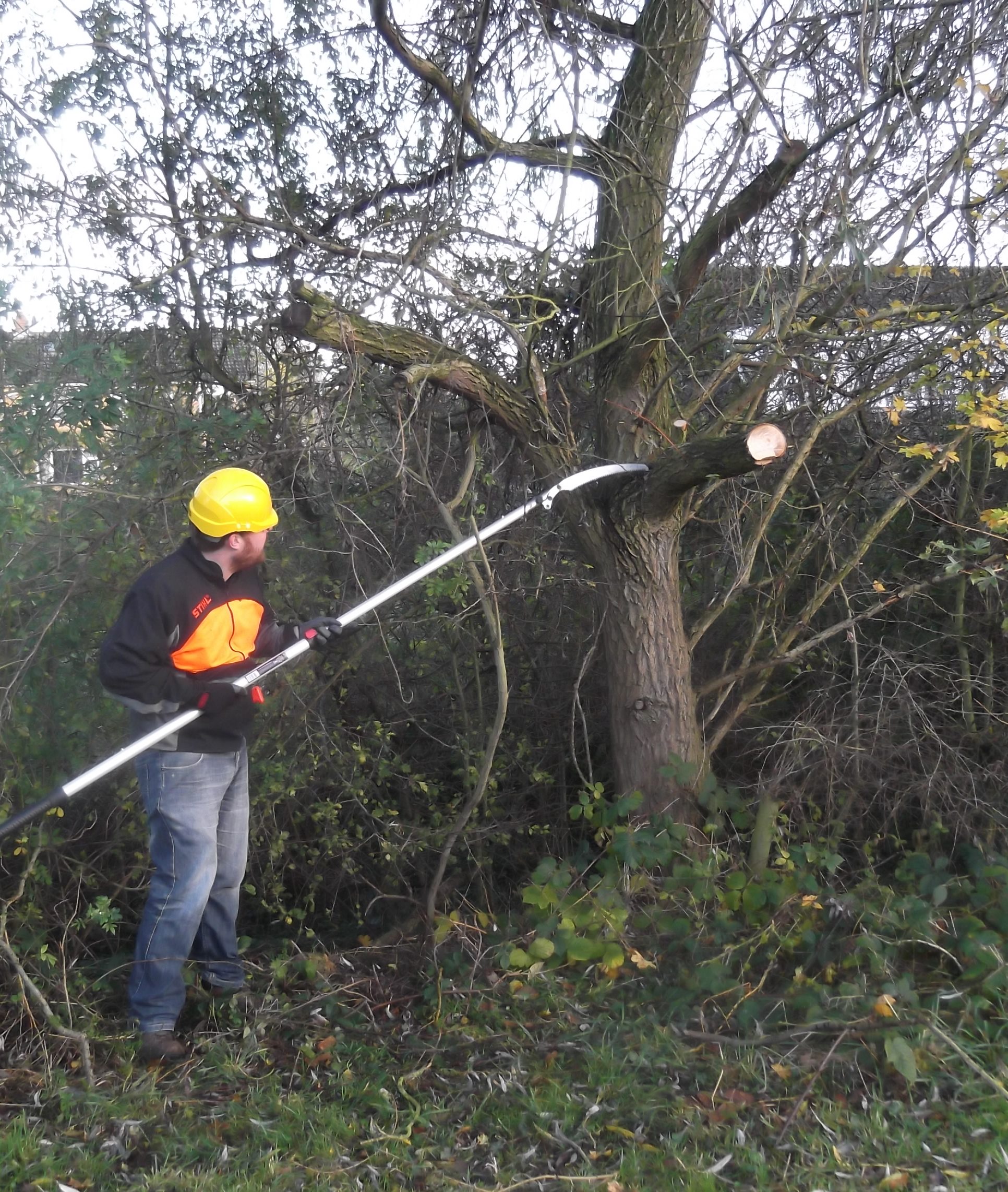
On December 10th Dave, Mike, Adam and Malcolm finally managed to cut down the other half of the forked willow branch damaged by high winds in November on safety grounds.  You can see how it pushed a 3-extension Silky pole saw near to its limits in the Video clip on the Mayfields Community Trust Facebook page.

Dec10_damaged Willow

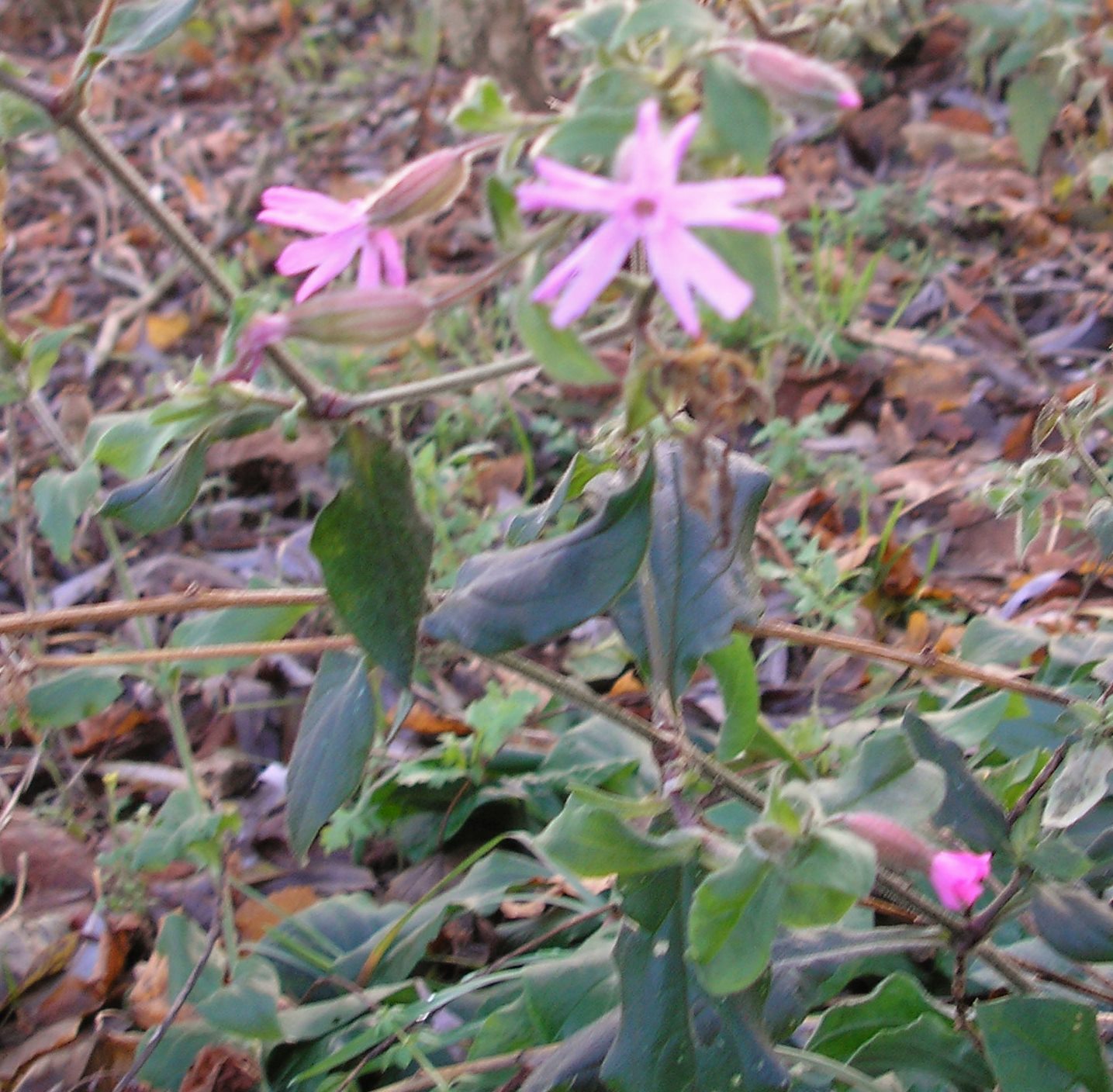
There was a break in the bad weather for our final Sunday volunteer session of 2015 on December 6 that allowed litter picking, checking for storm damage, removing twiggy litter off the path and Pam to photograph a few confused (by the weather/climate!) wild flowers, including red campion, daisies and next spring’s primroses.


Malcolm, Mike, Dave and Adam managed more path improvements on December 3rd and reduced the height of a few path-side hazels that were shading adjacent trees excessively.  The soil is so wet it was interesting to see water draining from the west bund channelling its way across the path in places!

What joy to see a bit of blue sky in the morning on December 2nd!  It gave us a chance to scrape humified leaves and twigs off of the path at the gate end after the recent prolonged wet and windy weather.  As you’ll see in the second photo below we have slightly deepened the layer of gravel there so the entrance looks neater and you can keep your feet dry and mud free when using the path.

TwiggyLitterDec2015

Improvedby GateDec2015

Ivy enveloping trees can look very attractive but makes it difficult to assess the health of what it’s growing around.  Recent high winds at the weekend brought down a substantial creeper-covered branch at the north end of the west bund, aided by the branch angle and high mass of creeper.

Branch&Creeper

Once the break was tidied  up it was easy to see why the collapse occurred.

Break Revealed Rotten Stem

Slightly shorter session on Sunday 22nd November but we enjoyed the morning sunshine while it lasted and made some useful repairs to the path.  You can see Ben below raking off excess leaves and organic soil before spreading pea gravel and stomping it in.

Nove2015    StompingNov2015

In November we continued our work on the vandalized trees, taking off the dead branches from high up for safety reasons but leaving the stems (with added drilled holes) for insects.  We also have been cutting back a lot of dead rambler rose wood behind the east bund.  In the process we managed to rescue three very spindly Scots Pines, which should now do a lot better with drastic reduction in competition for light, nutrients and water.

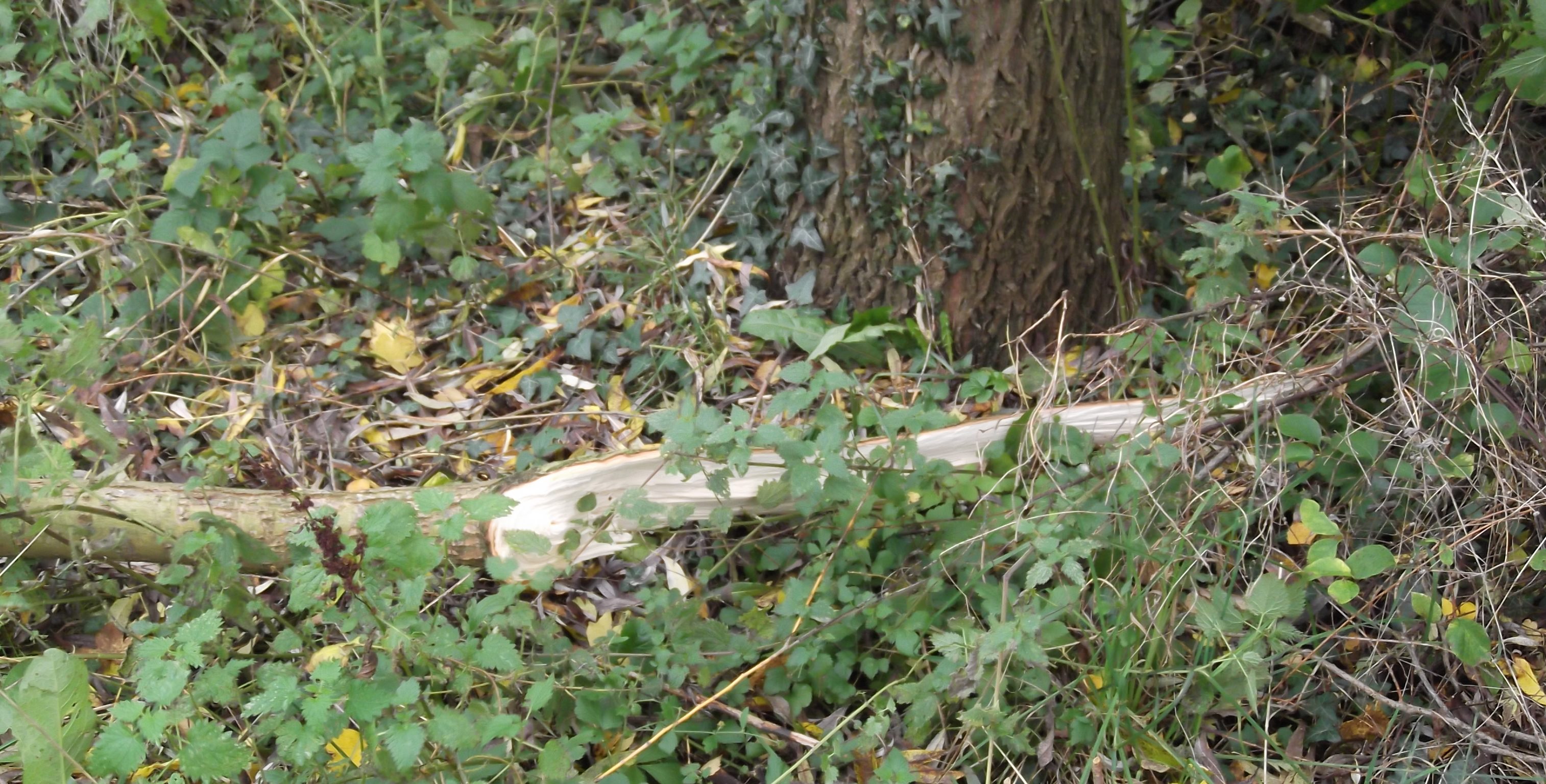
Strong winds on November 9th brought down a high branch from one of the crack willows beside the path.  It landed just off the path but shows the importance of MCT’s work to reduce branches of Crack Willow overhanging the path.

SplitNov 9 2015                              Nov 9 2015

Sadly we had to cancel the volunteer session timetabled for 10.30 on Remembrance Sunday due to awful weather.  However the weather improved considerably later so Adam and Malcolm  managed to coppice and/or reduce same hazels and reduced a few other trees that were getting too tall and shading out more desirable species on the west bund.

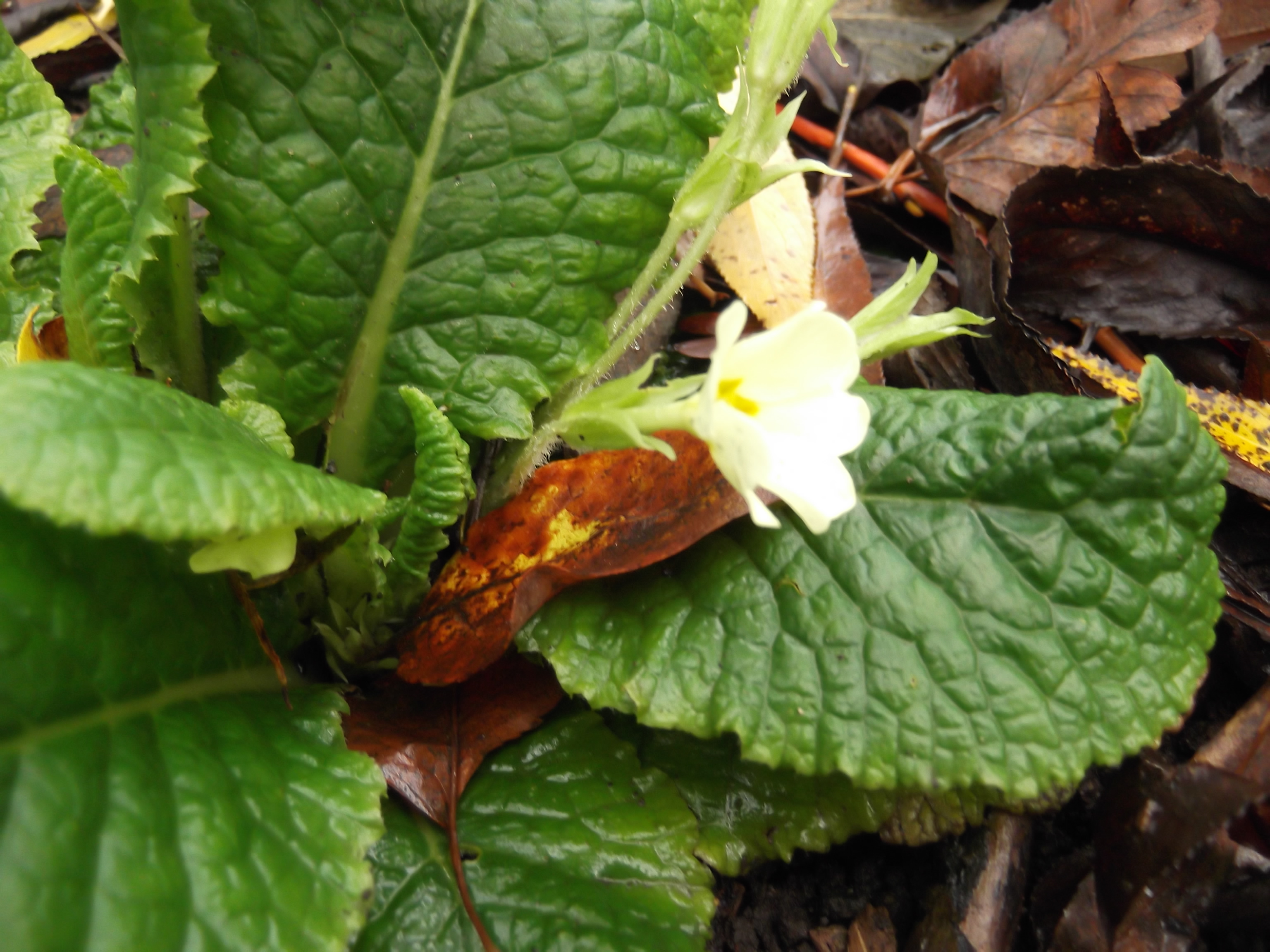
As promised, here’s one of the primroses flowering on November 2nd 2015.  It started to flower for the second time early in October.

Primrose 2Nov2015

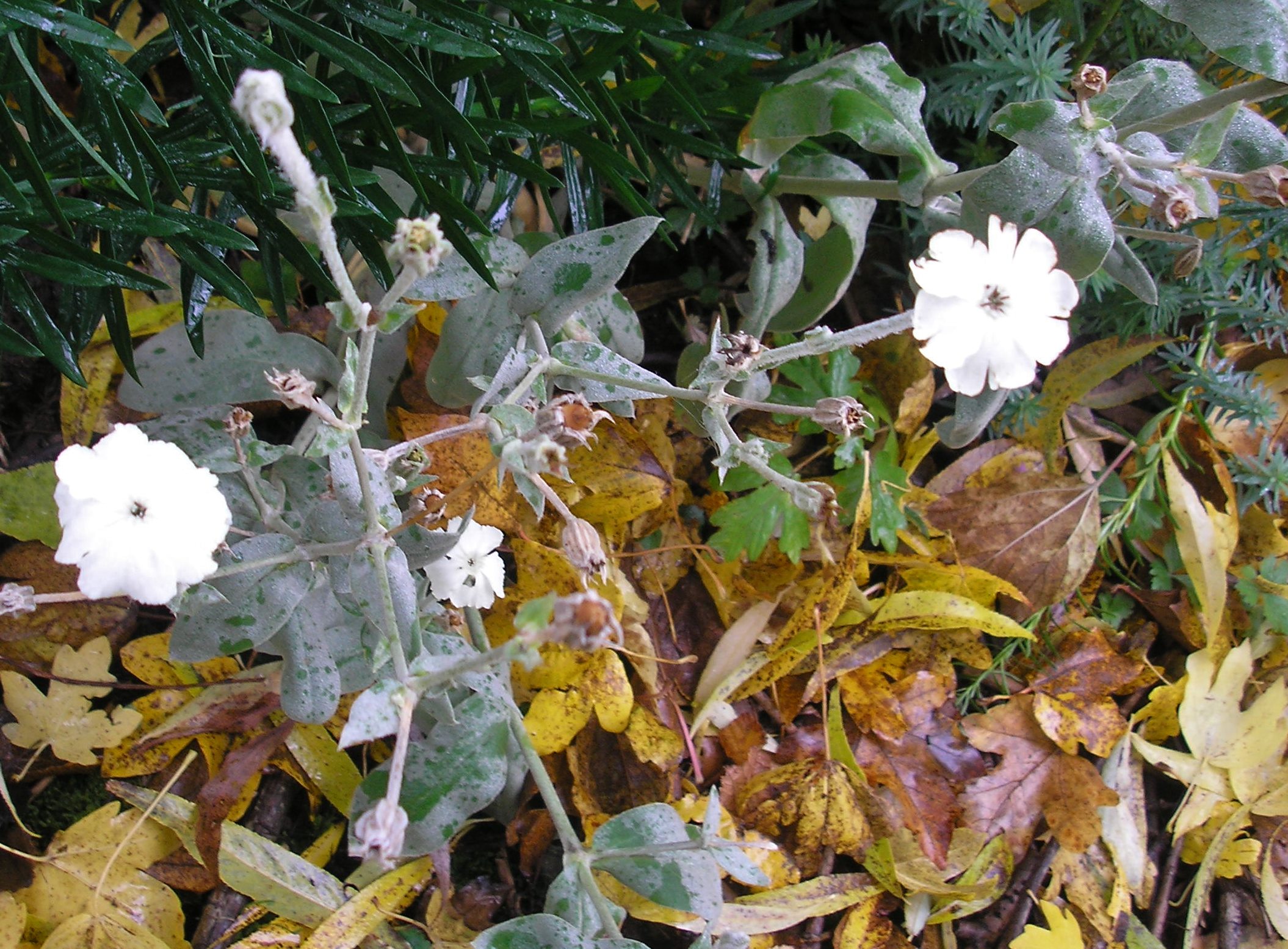
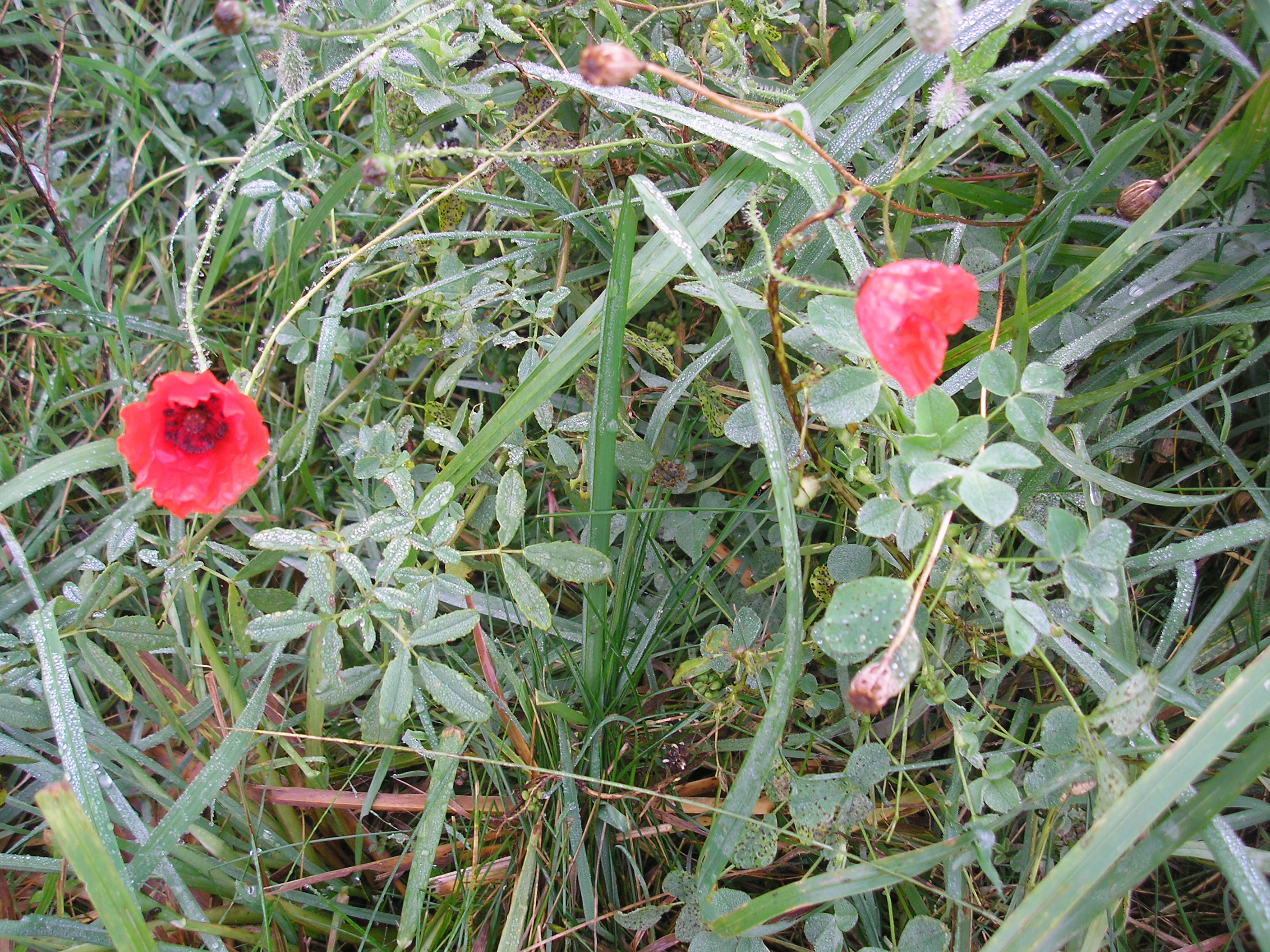
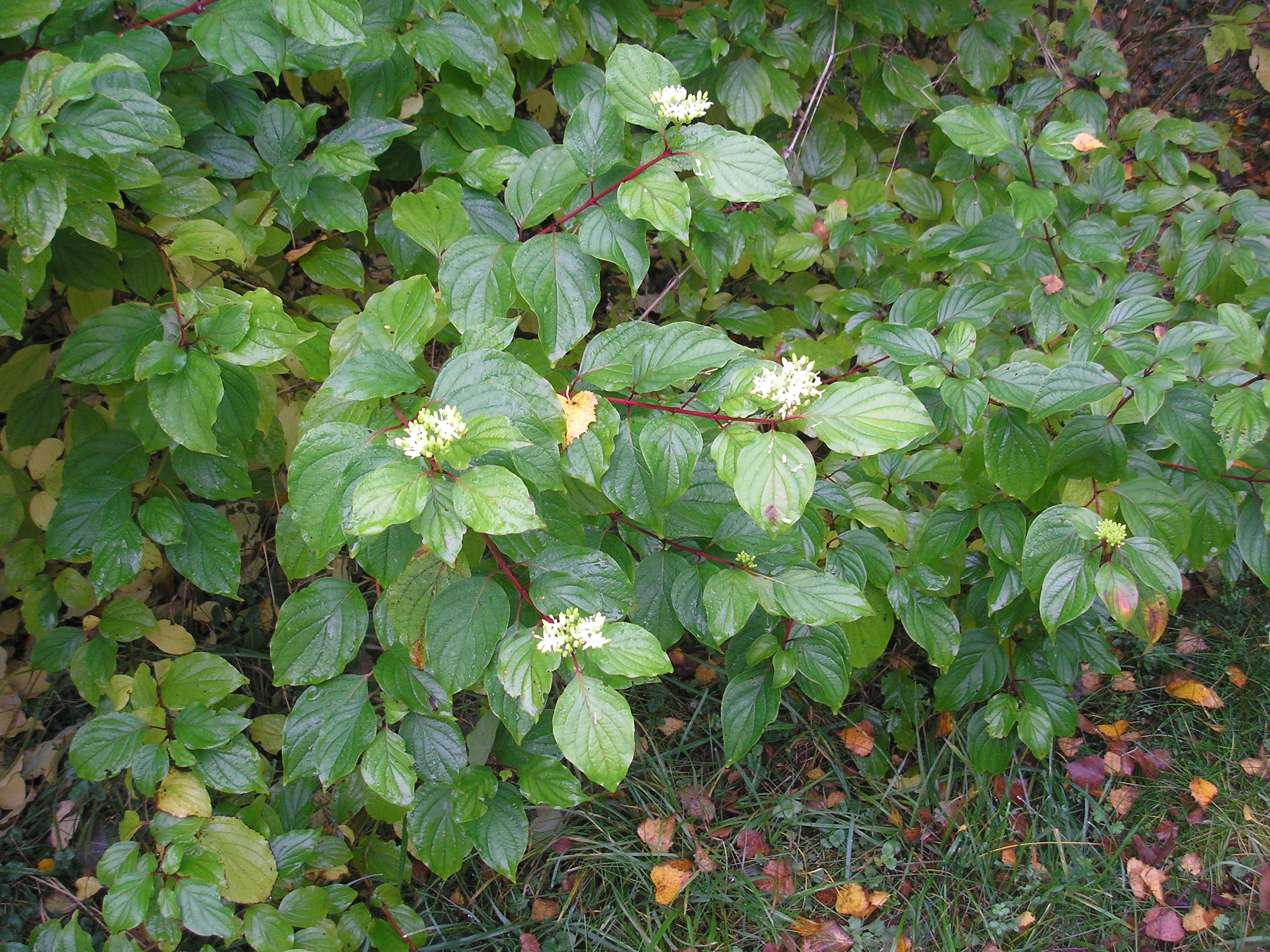
But there were more wild flowers on Noveber 1 than I thought!  Pam also caught White Campion on the site (first time we’ve seen it) and a couple of late Poppies.  She also captured a rather confused Dogwood flowering very late (or very early?).  If I can we”ll get a shot of equally confused primroses tomorrow.


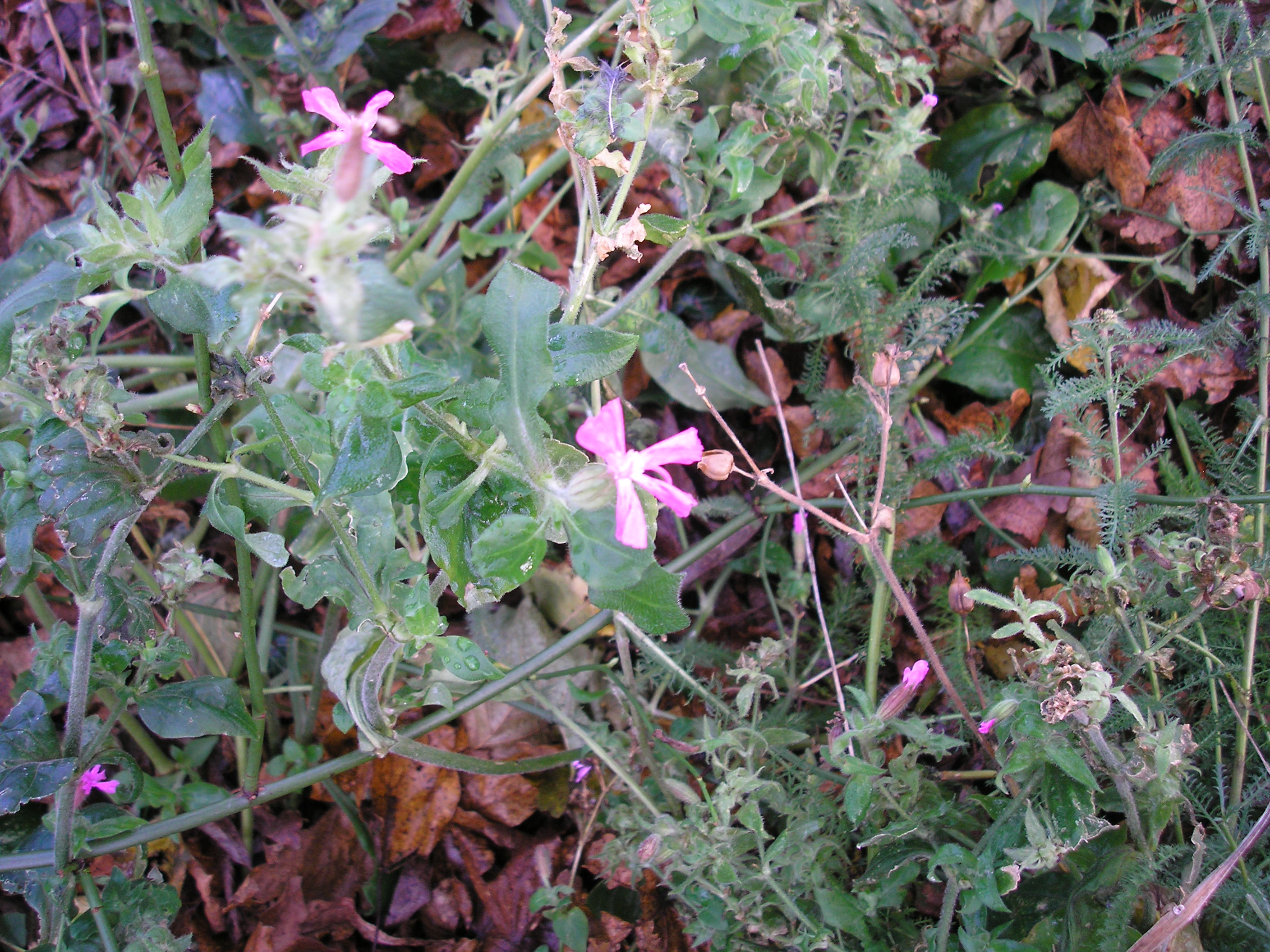
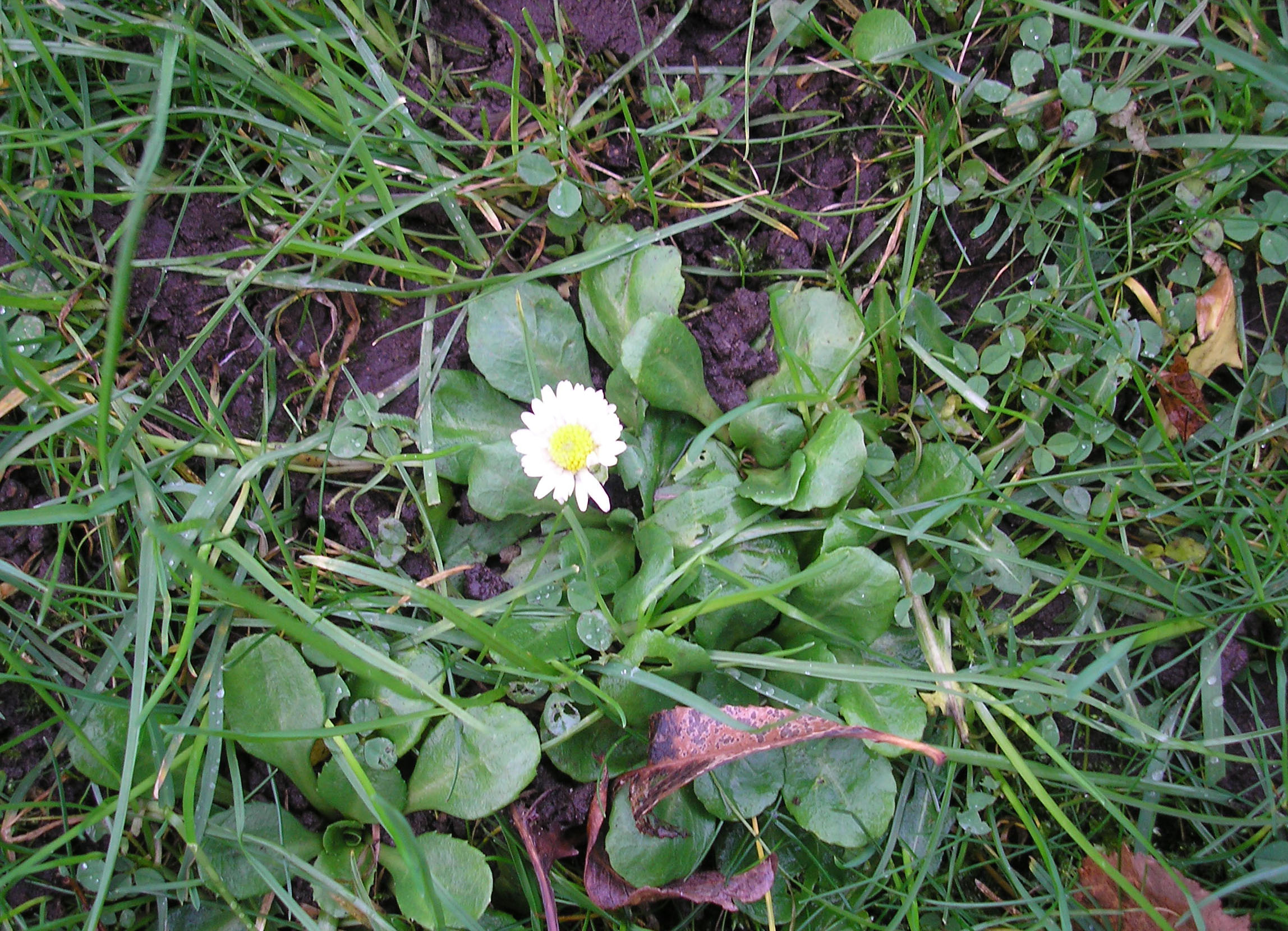
On November 1st there are not many wild-flowers blooming on the site.  Look carefully though and you’ll spot some Black Medic, Red Clover, Red Campion (from plug plants raised by MCT last year and planted under the trees near the gate), and the odd isolated Daisy (looks more impressive when enlarged!) and geranium.

RedCampion  Daisy


MCT Activities September & October

Now the evenings are darker our volunteer sessions are on Sundays at 10.30 a.m.  

As well as on appropriate pages on this web site we also have sets of  wild-flower, butterfly and tree photos in albums on the Mayfields Community Trust Facebook page.  That also should tell you what we are doing on Mayfields North of Nelsons Lane. Many thanks to Stephen Turnbull for his help in setting up the Facebook page.

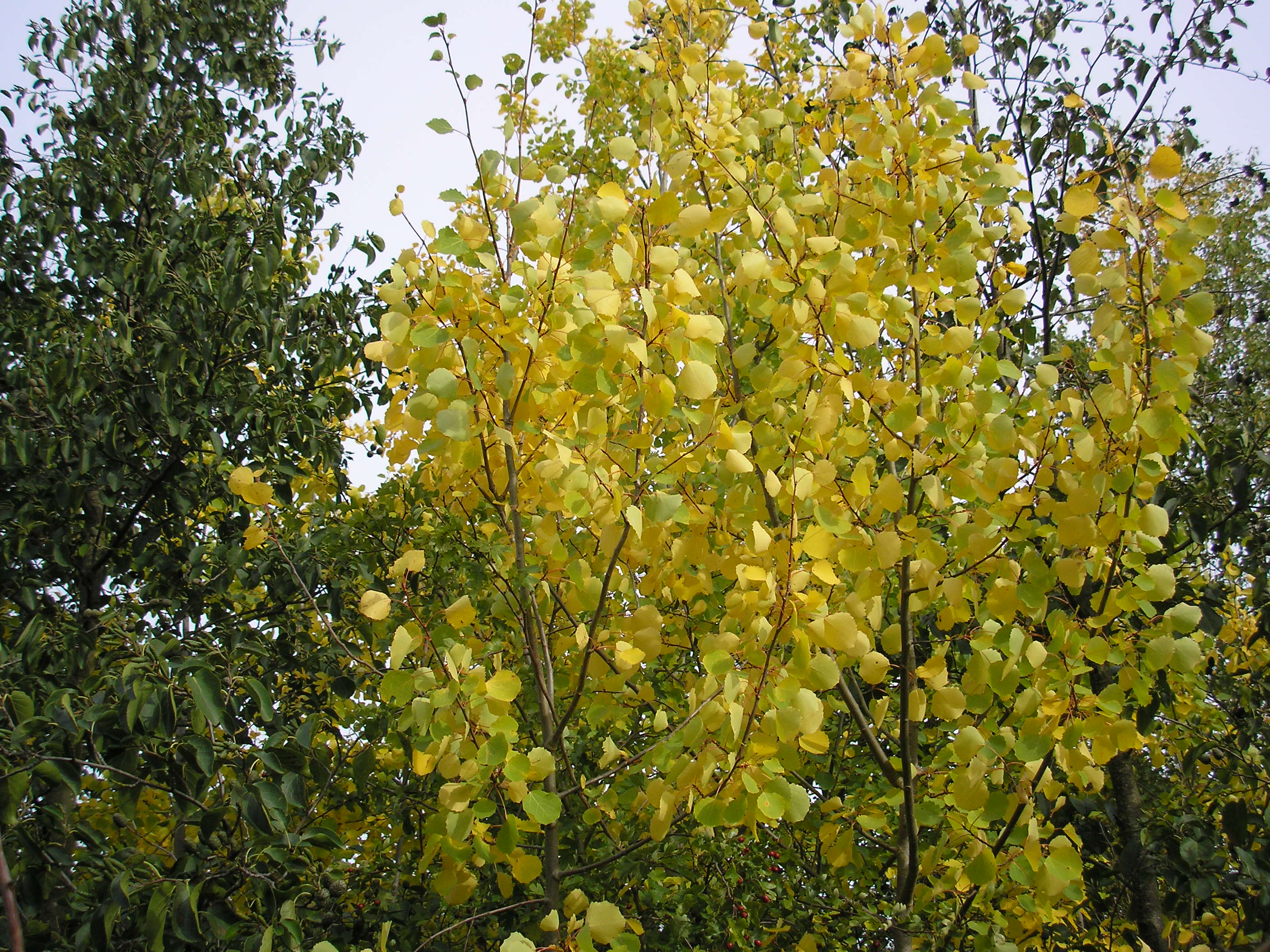
25th of October was a beautiful sunny morning for our 8 MCT volunteers working on the Highways land along Nelsons Lane and the newly grassed path behind homes in Hobmoor Terrace.  You can see our efforts on the next 10 metres in a short video clip on the Mayfields Community Trust Facebook page.  Alternatively you can just enjoy Pam’s photo of one of the Aspen trees establishing on the site just north of Nelsons lane.

For the first time in more than 2 years of volunteering we got a bit damp on October 18th.  It didn’t deprive us of the pleasure of finishing getting the meadow ready for winter though, as Pam’s photo shows.  We could then relax and enjoy the beauty of many of the Mayfields’ trees in autumn plumage.


A beautiful sunny Monday morning on October 12 in York – perfect for mowing up the leaves off the path before they get churned in and humified too much.  Much better for them to go to the compost heap!

DSCF1363  DSCF1365

DSCF1368

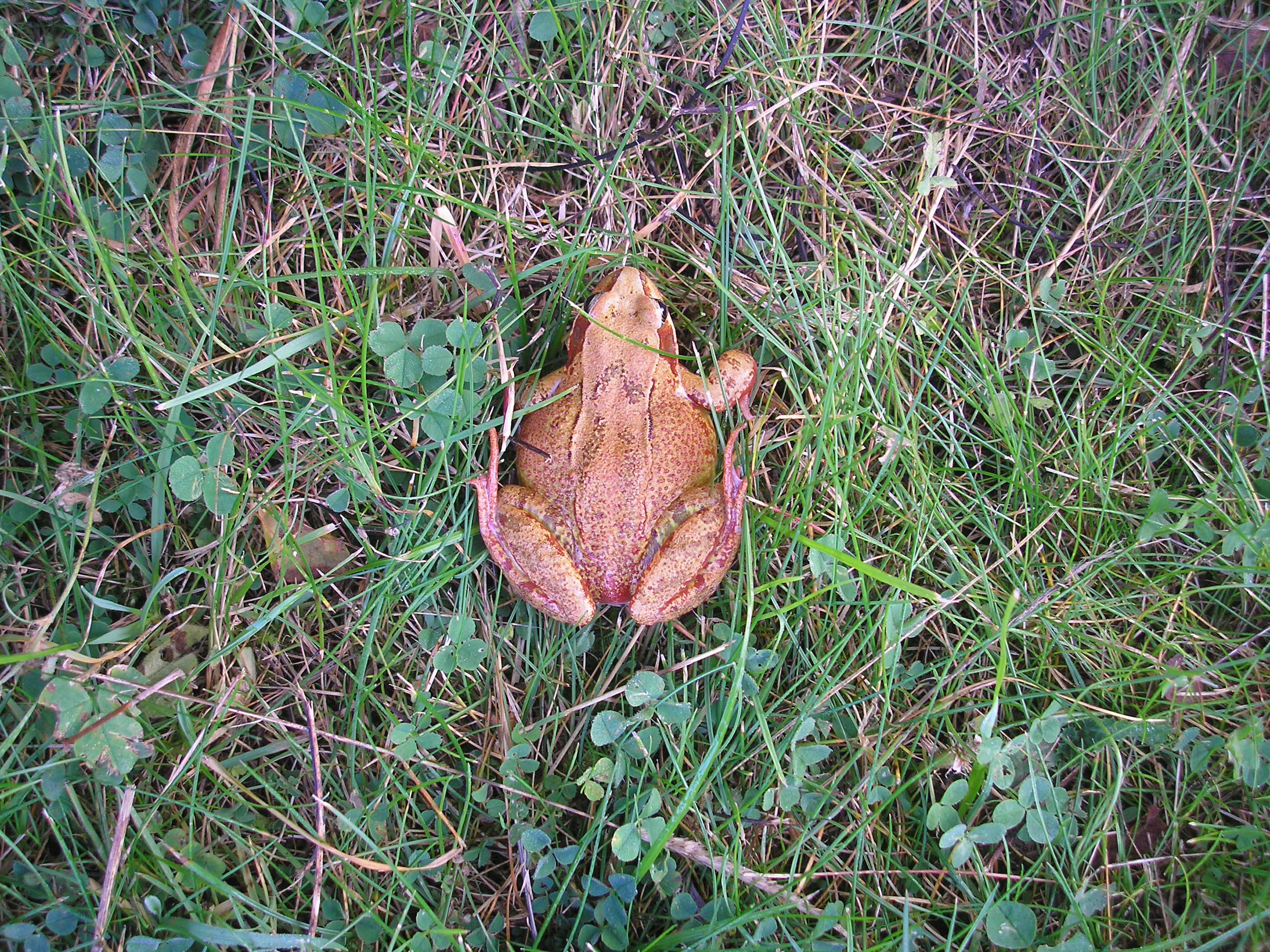
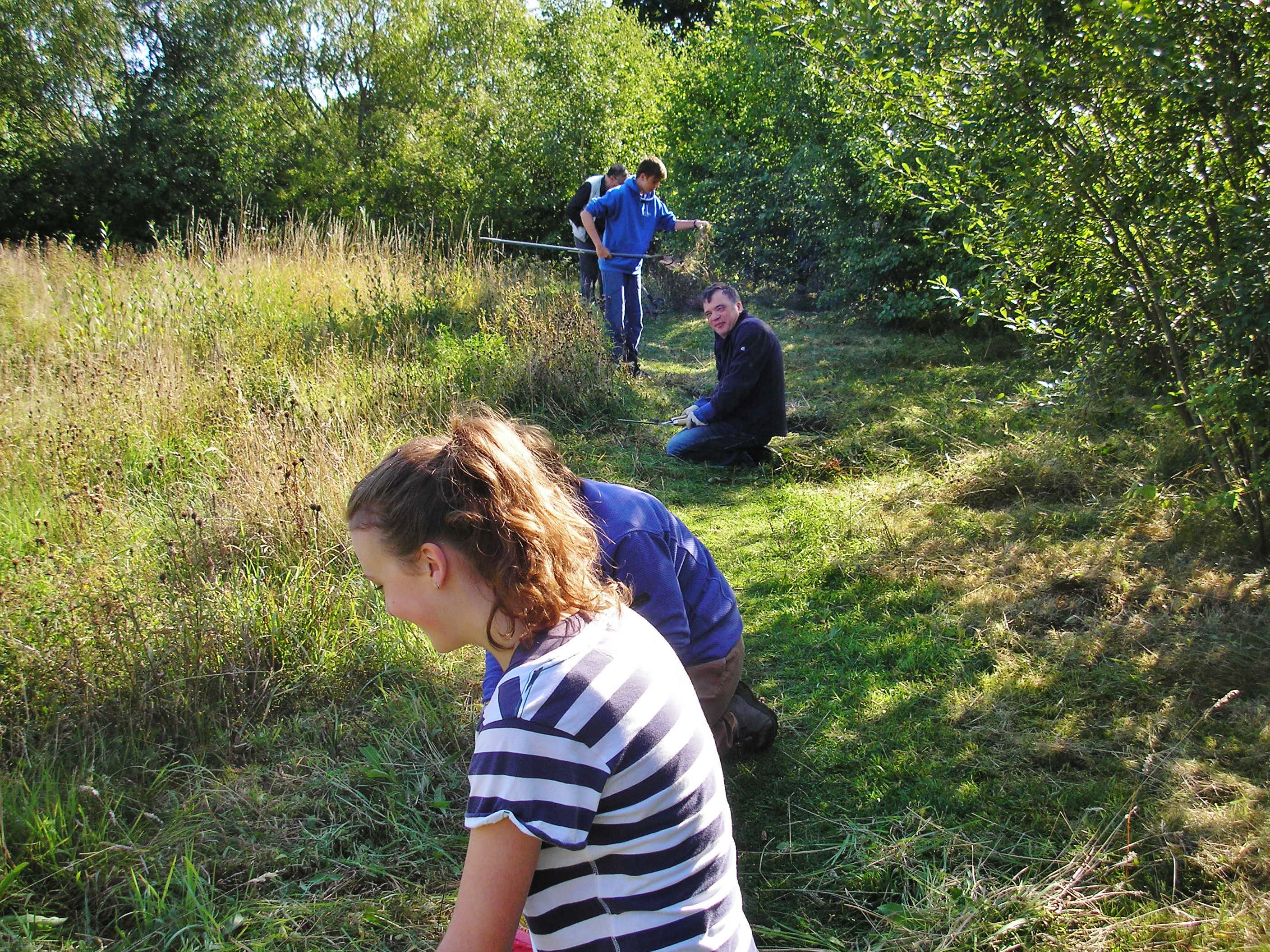
On Sundays on 4th and 11th October 2015,  8 MCT volunteers carried on working on the meadow.  Pam’s photos show several of them, with Ben mowing after the others had first cleared long vegetation by hand with grass hooks or sheers.  We were pleased to welcome Stephen Turnbull to the volunteer group.  The other photo shows why we use a slow pre-cut by hand first.  The frog was very grateful as it hopped away happily.

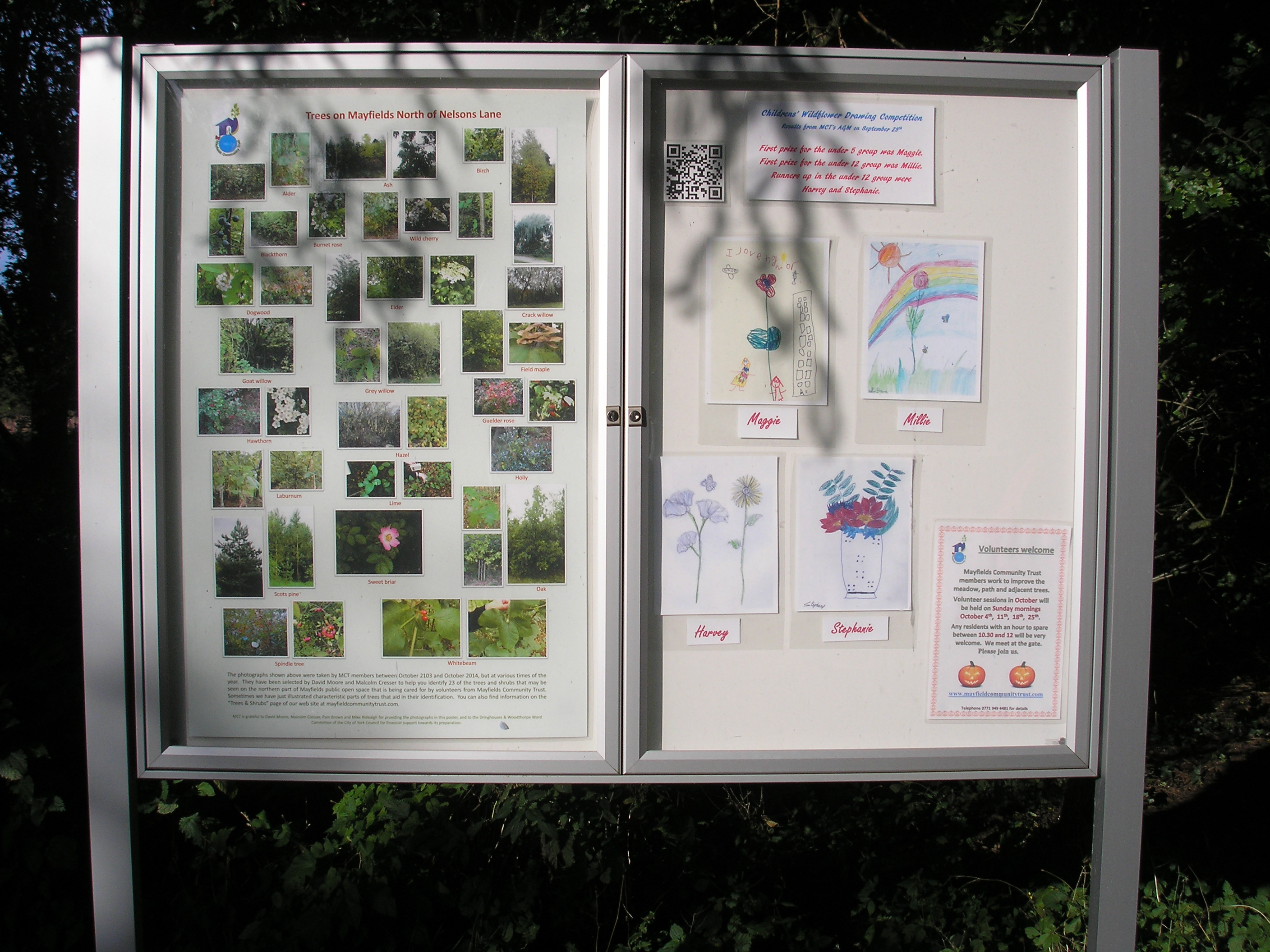
Our AGM followed our Public Open Meeting on Monday 28th September, 2015 at the Marriott Hotel.  The field work co-ordinator gave a talk about what we have been doing over the past 2 years.  The results of the Children’s drawing competition were announced and the pictures can now be seen on the info. board at the Little Hob Moor end.

Don Bowerman kindly passed on to us a photograph of the site when it was first being laid out about 18 years ago.  It’s nice to see how much it’s changed.

c1997_L_Hob_Moor

At our volunteer session on Sunday 20th we continued with our work on trimming vegetation on the meadow.  As Pam’s photos show, we’re using grass hooks and sheers rather than strimmers as they allow for more selective removal of species (with less risk to frogs and toads on the meadow!).  There was more of the same on September 27th when we were pleased to welcome Mark Tyszka to Mayfields.


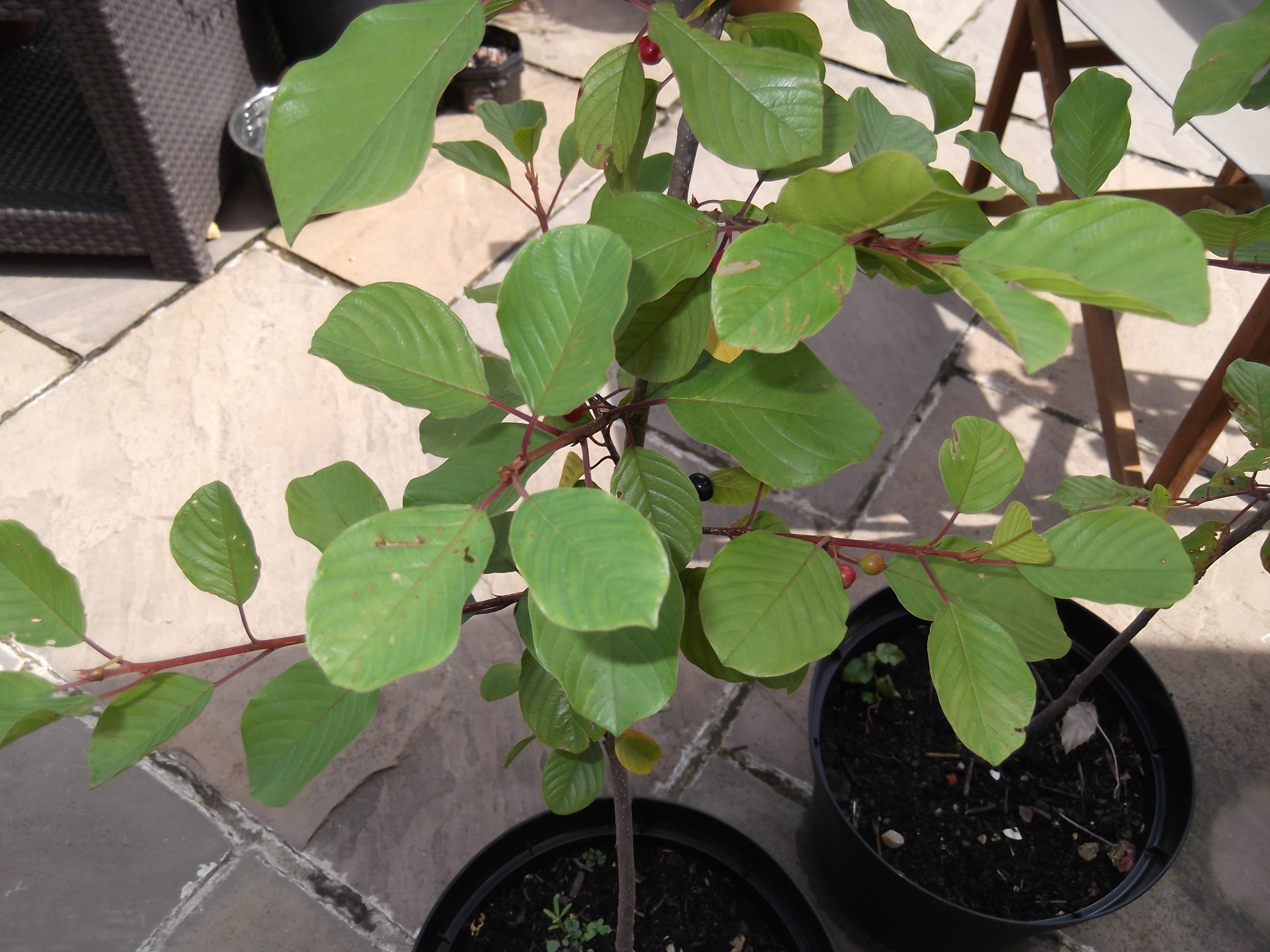
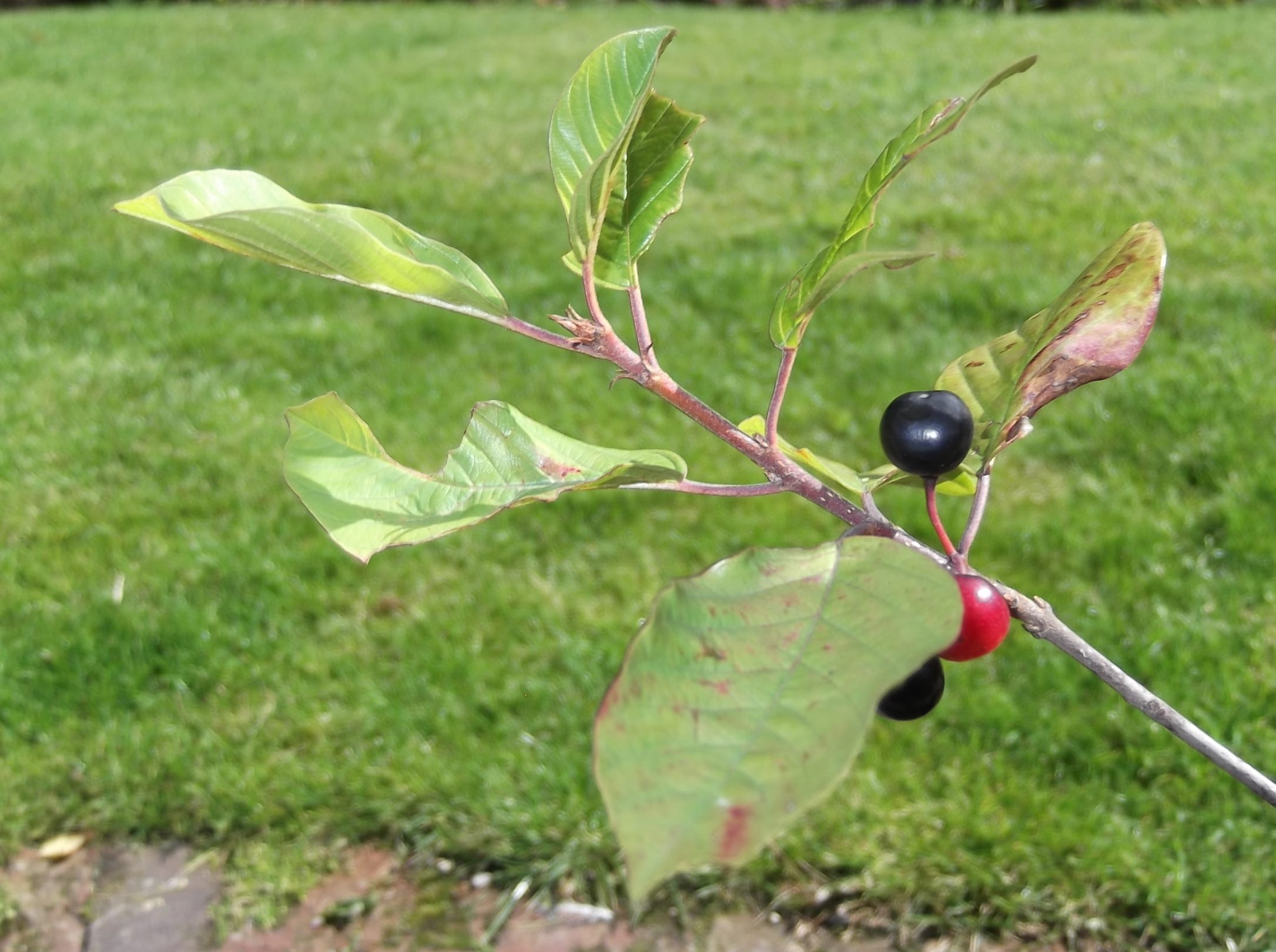
We mentioned a couple of months ago that back in February MCT was given 4 buckthorn tree saplings by Mark Tyszka from Friends of Hob Moor.  As they are potentially very attractive to Brimstone butterflies we grew them on in 10-litre pots as shown below.  We planted three of them out at the rear of the west bund in a damper area  on 16/09/2015 to replace cleared brambles that had got out of control.  The soil is a very heavy clay there so it will be interesting to see how well they establish.

DSCF1342 DSCF1347

On September 13th a substantial group of MCT Trustees and volunteers manned a table by the gate for recruitment of new Trust members and/or volunteers and to answer any questions site visitors had about MCT’s work.  Pam caught several of them on camera in a well-earned refreshment break.

During the day Lesley, Paul and Ben cleared around the Yew tree (that we’ve mentioned before) beside the gate; it’s doing well in response to our TLC!


Lesley and Malcolm hand weeded the grass from the path at the gate end – great time to do it after rain as quite a bit of the accumulated soil is removed with the roots of the grass.  This helps reduce mud accumulation on the path.  The weeds went off to the compost heap along with all the strimmed vegetation from the north of the meadow which Ben had raked up.  We also planted native wild daffodils around the notice board and at the Nelsons Lane end of the newly established grass behind Hobmoor Terrace.


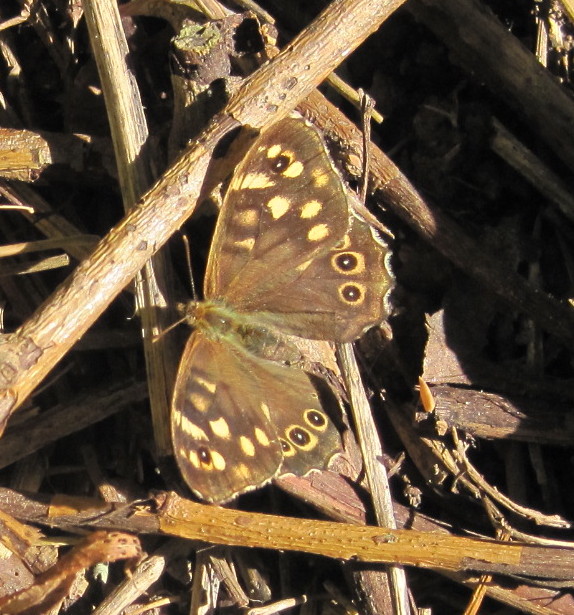
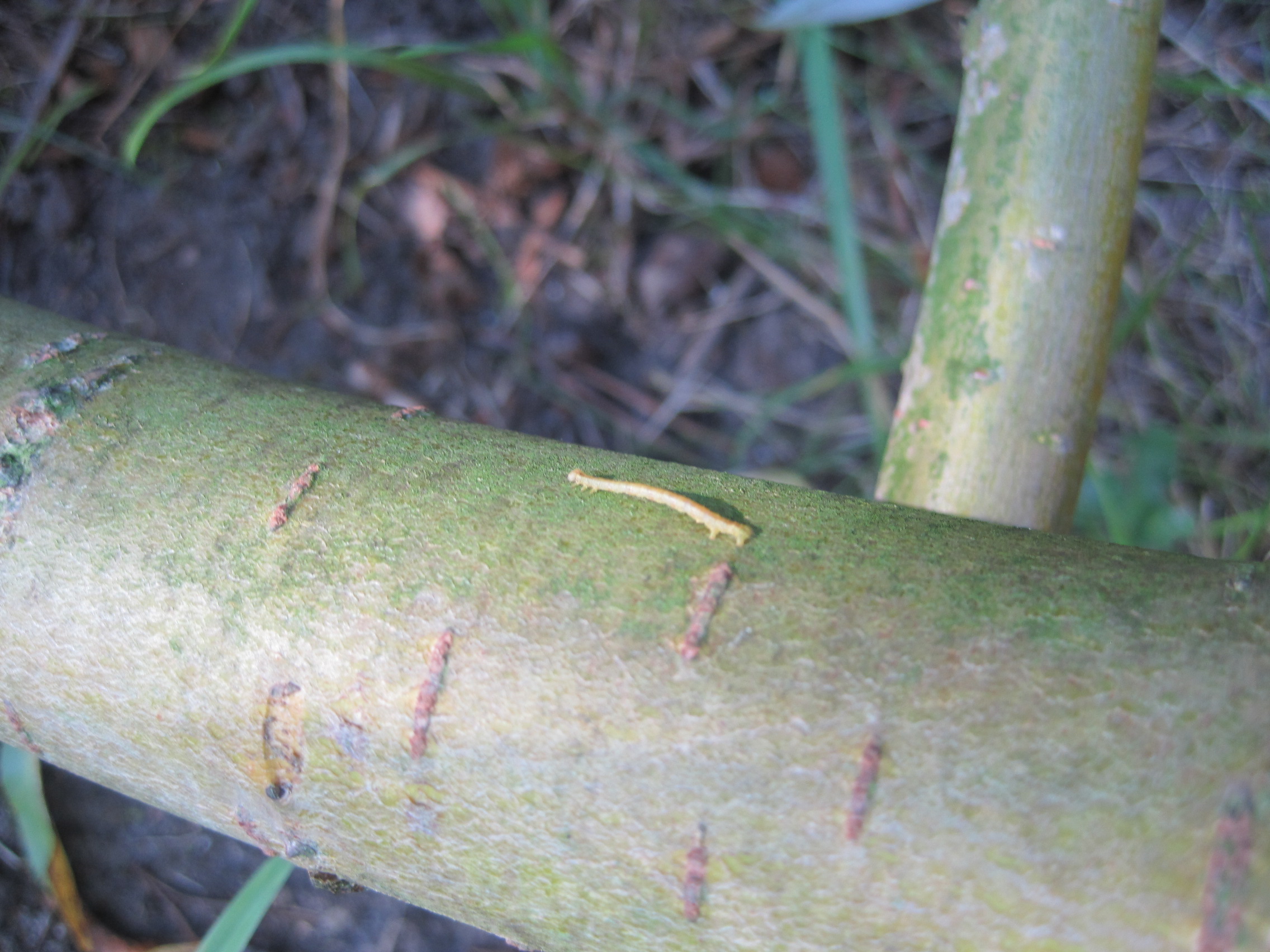
Also that morning Dave Moore and Mike Ridealgh trimmed a crack willow beside the playground that was shading out more desirable tree species and cut the trimmed material up for composting.  Mike also managed to catch photos of a Speckled Wood butterfly and Looper caterpillar.

Speckled Wood1 (1)  Looper (3)

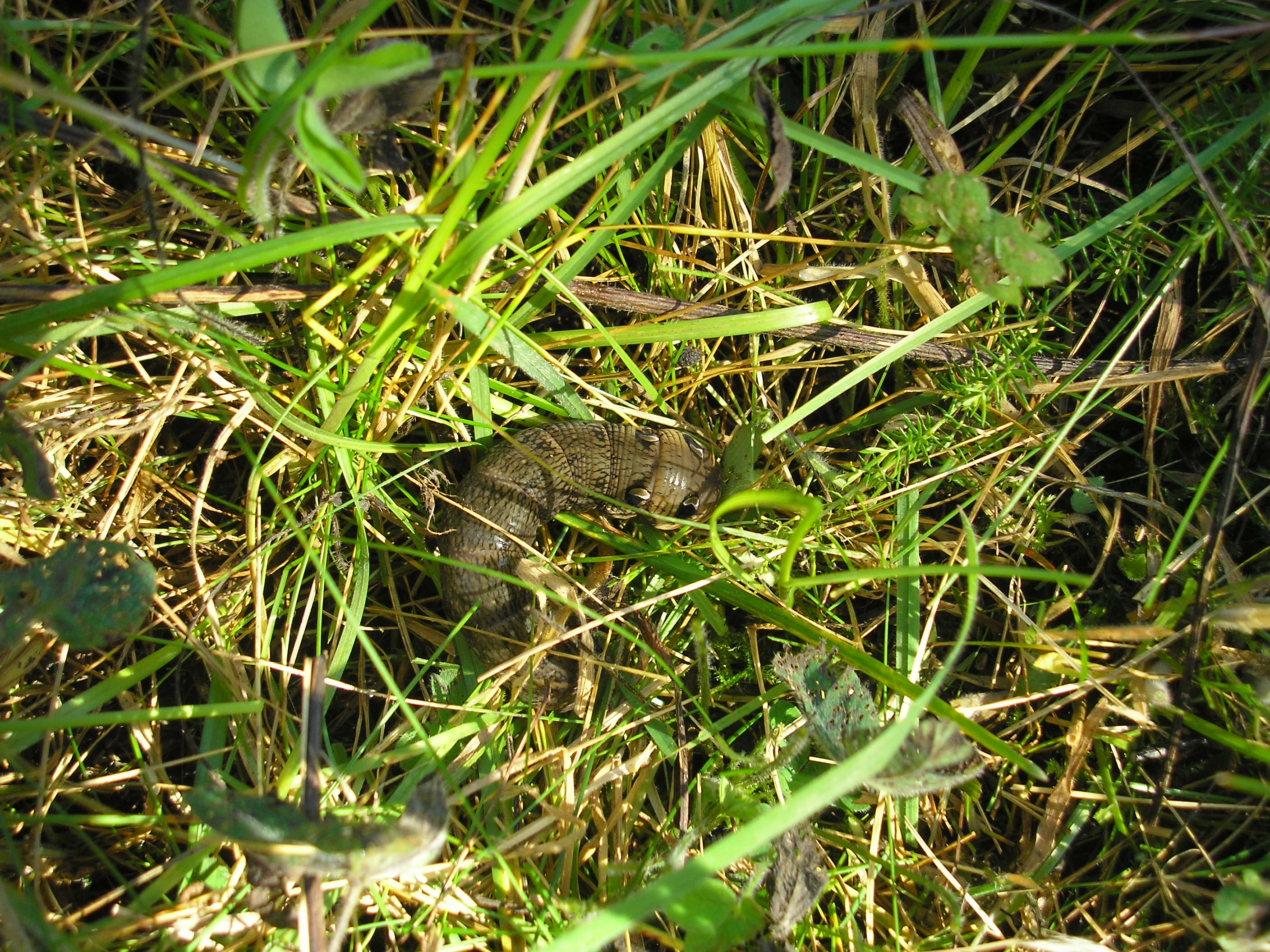
September is when we start  to trim the meadow in easy stages to maintain habitat diversity and areas for dogs to exercise etc.  Out volunteers on Sunday 6th took advantage of the warm sunshine in the morning to start on 2 edges. One spotted an interesting caterpillar with protective eye spots and Pam caught it on camera (see below) – probably an Elephant Hawk Moth caterpillar.   With warmth and rain the grass has been really growing of late and has taken a lot of trimming to make sure site will look as pleasant and green as possible over winter months and put up with winter usage.


   We also trimmed an ever-increasing patch of Willow herb behind a house in Goodwood Grove.  Many thanks to the local resident for the generous donation to MCT funds.  We also “hand-weeded” the clump to the left of the main path to prevent excessive colonization.

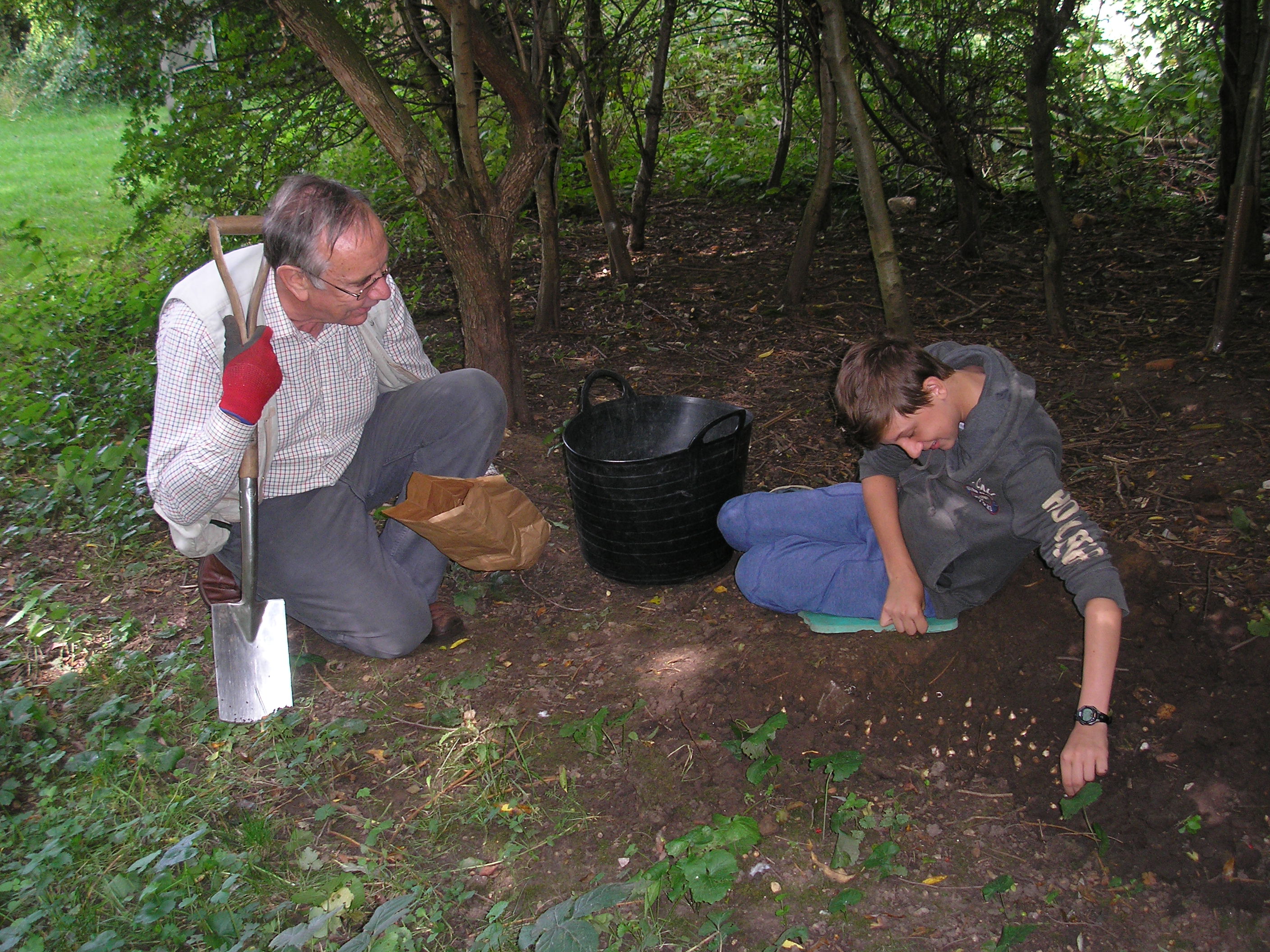
The shade beside the path at the Little Hob Moor end limits to some extent what we can do to improve biodiversity there.  To welcome September, Ben, Malcolm, Louise and Pam planted 500 native Snowdrop bulbs (from TCV) in several groups; this should enhance that part of the site early next year.

Planting native Snowdrops, 30/09/2015

Planting native Snowdrops, 30/09/2015


MCT Activities: July & August 2015

The patch of English bluebells MCT introduced at the end of the west bund last autumn did reasonably well in May this year, as Pam’s photo showed.  We have just expanded this area, improved the dappled shade by pruning excessive overhanging willow branches and reduced the area of ground elder and nettles slightly.  400 extra bulbs were planted at the end of August.  The extra light seems to have confused the primroses in the area, which have started to flower again!

OLYMPUS DIGITAL CAMERA

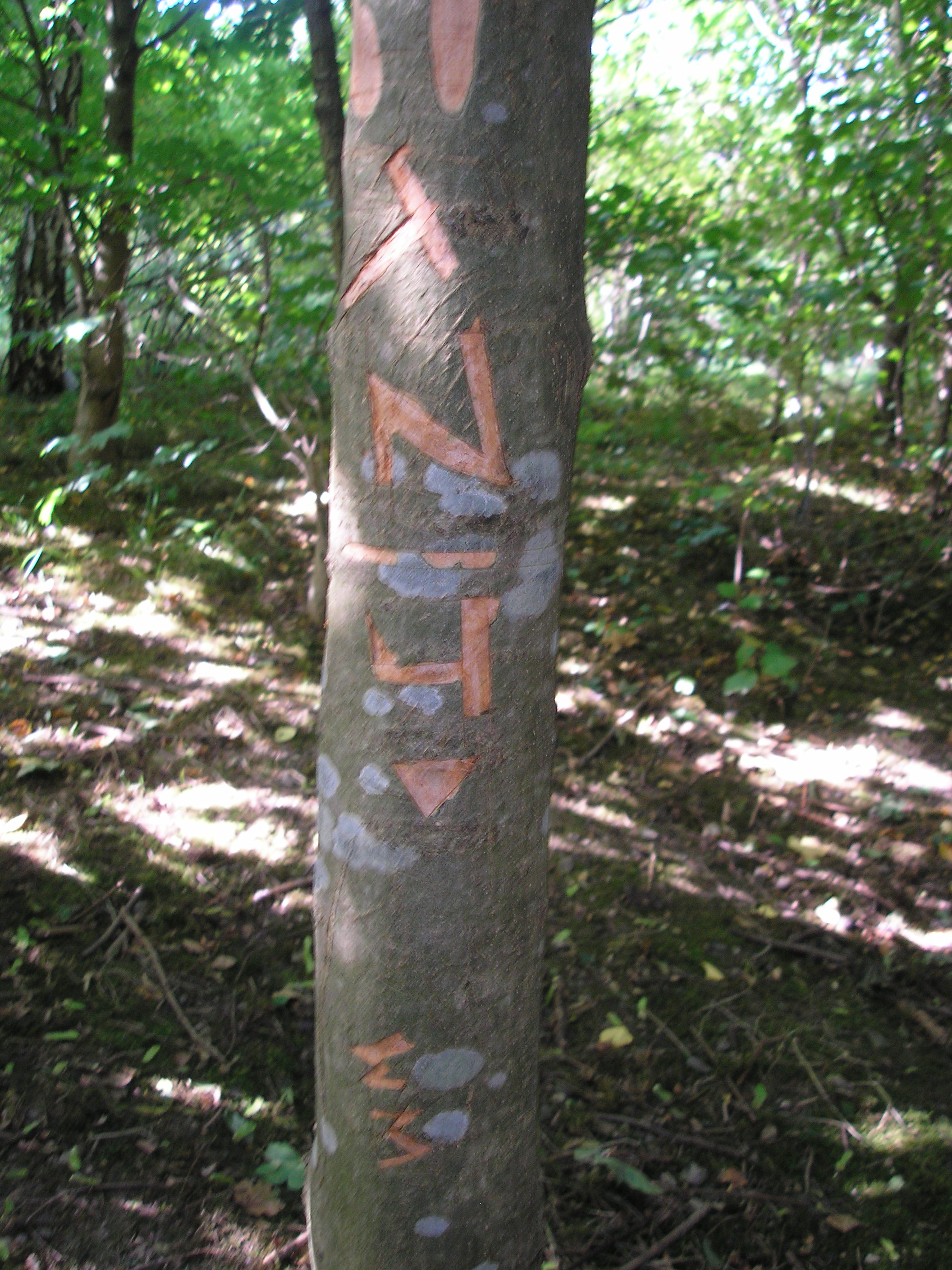
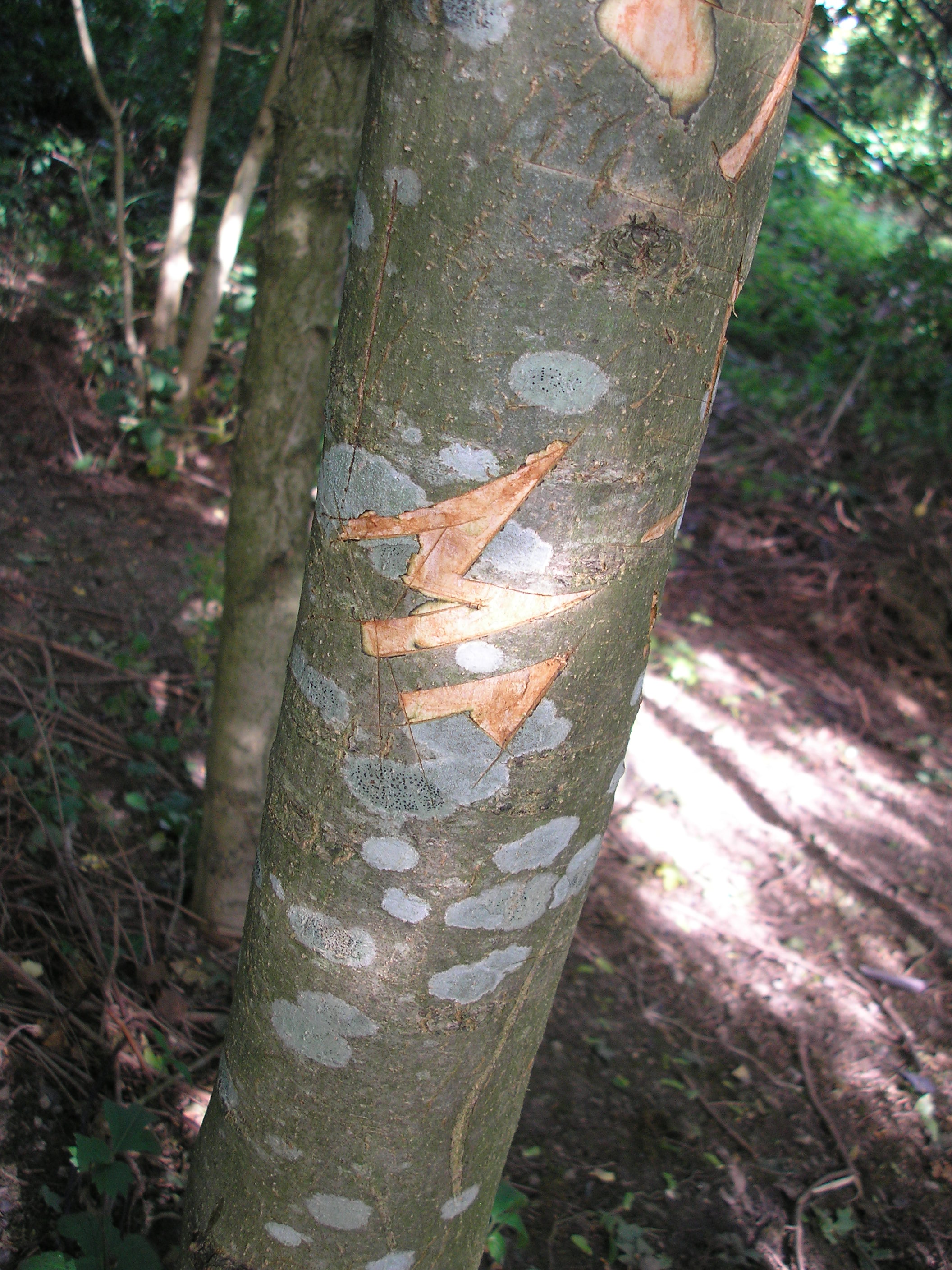
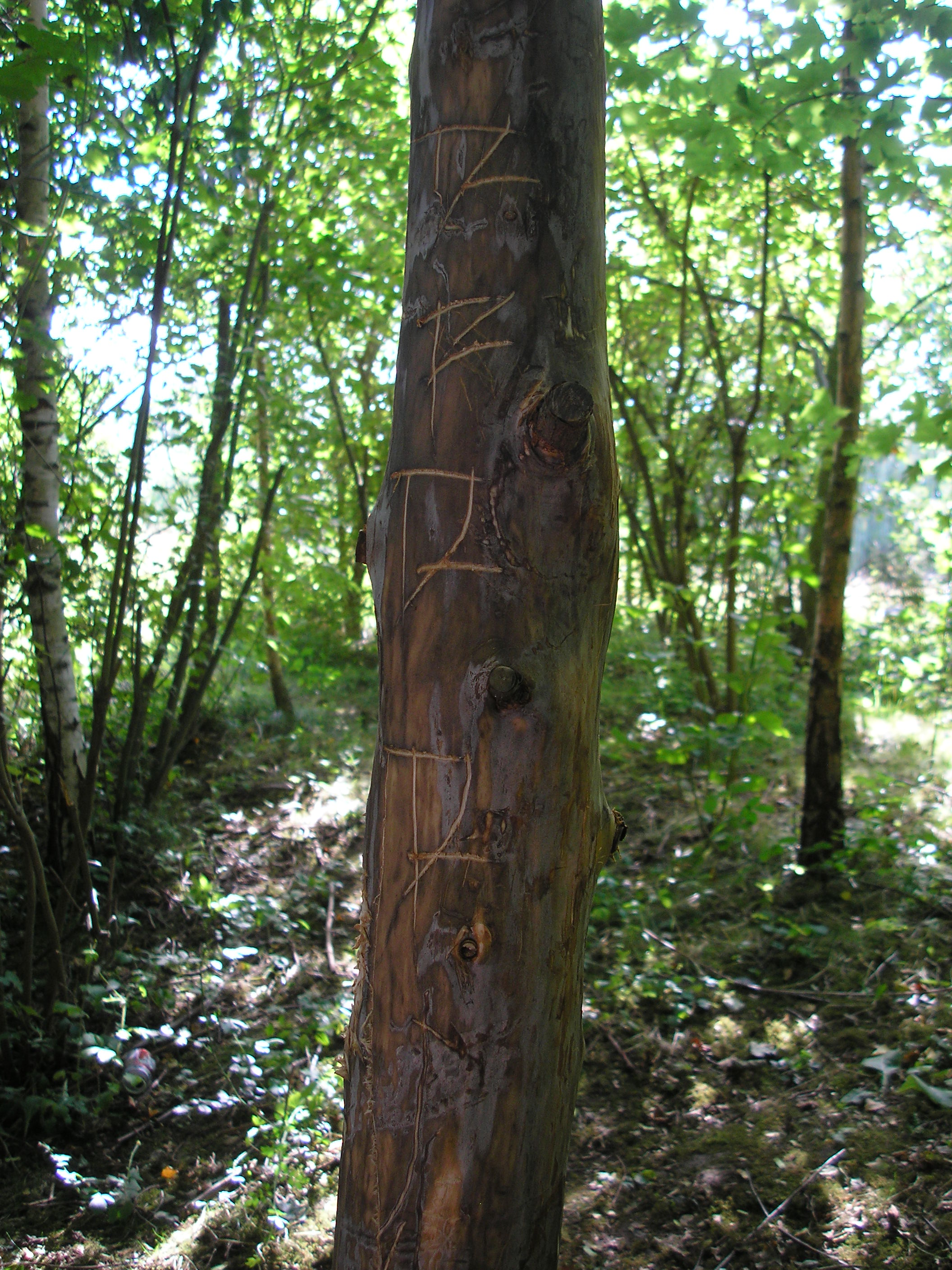
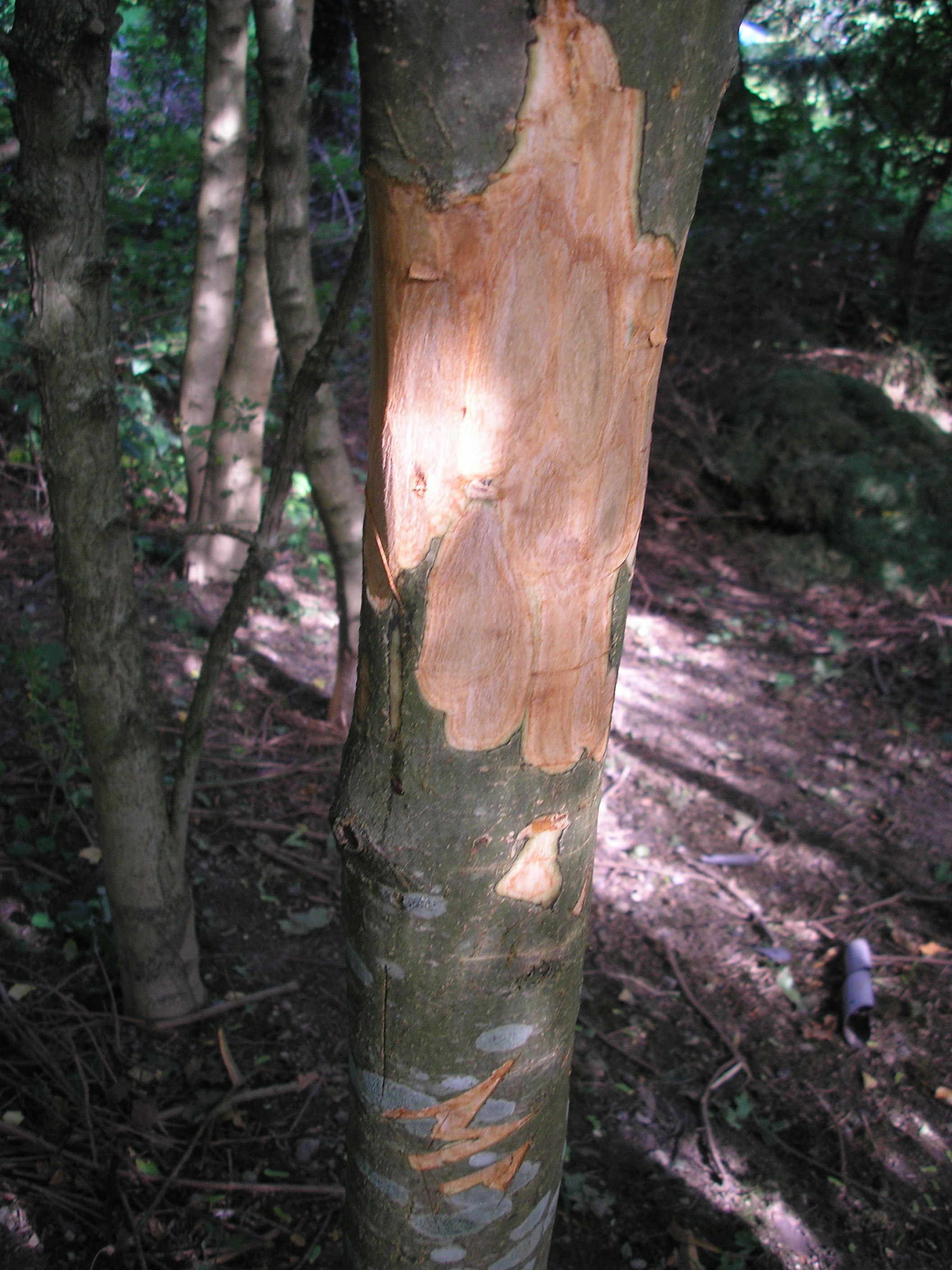
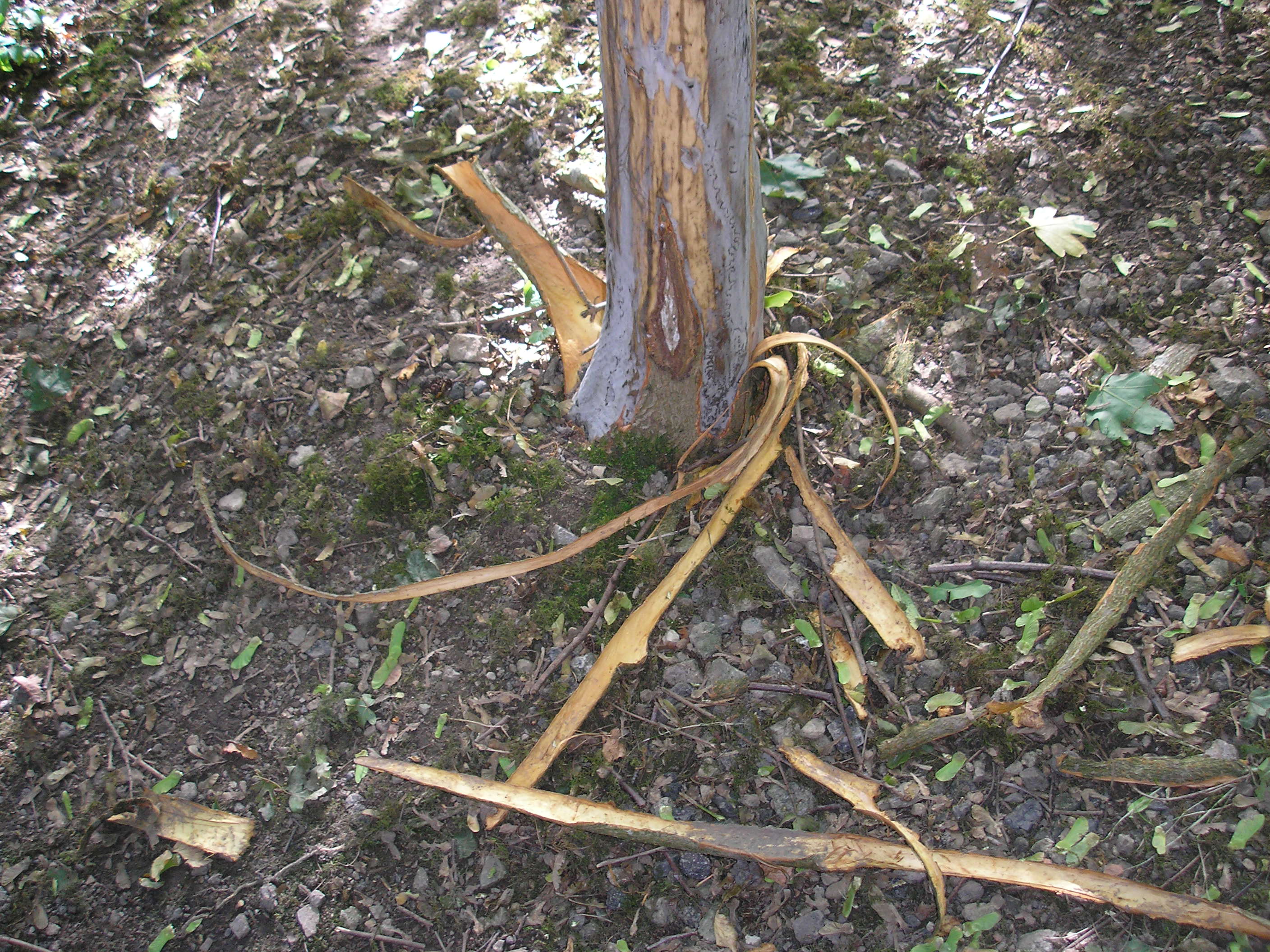
It would have been really nice to end July/August’s post with Pam Brown’s photo of beautiful early Autumnal colouration of the Guelder rose.  Sadly however we also have to show examples of the mindless vandalism that recently occurred in the wood behind Hobmoor Terrace.  Three healthy Field Maples have had bark stripped and initials carved on the stripped trunks and elsewhere.  We’ve shown initials carved and if you can recognize any of them please us know so we can pass the information on to the police about this criminal damage, as the trees cannot be saved.  The knife used is a real cause for concern.

Do these initials mean anything to you?

Do these initials mean anything to you?


Some of the crack willows that drop leaves and twigs onto the path and overshadow more desirable trees are quite difficult to prune at height from ground level.  The field work co-ordinator recently acquired a 3rd Silky pole saw which extends our possible reach to a little over 21 feet above the ground.  It works well though does require a bit more care and skill than our Silky 2-pole extension saws.  Thanks to Pam and Mike for the photos at our Thursday volunteer session on 20th August.

The New Pole Saw   

Thanks to Pam, Louise, Margaret and Lesley too for their invaluable help in cutting up the offcuts for composting later that day.  Ben Malcolm & Louise cleared the rest of the area planted with bluebells the following Sunday, getting it ready to add a few hundred extra English Bluebells and grass in the area which is now much better lit.

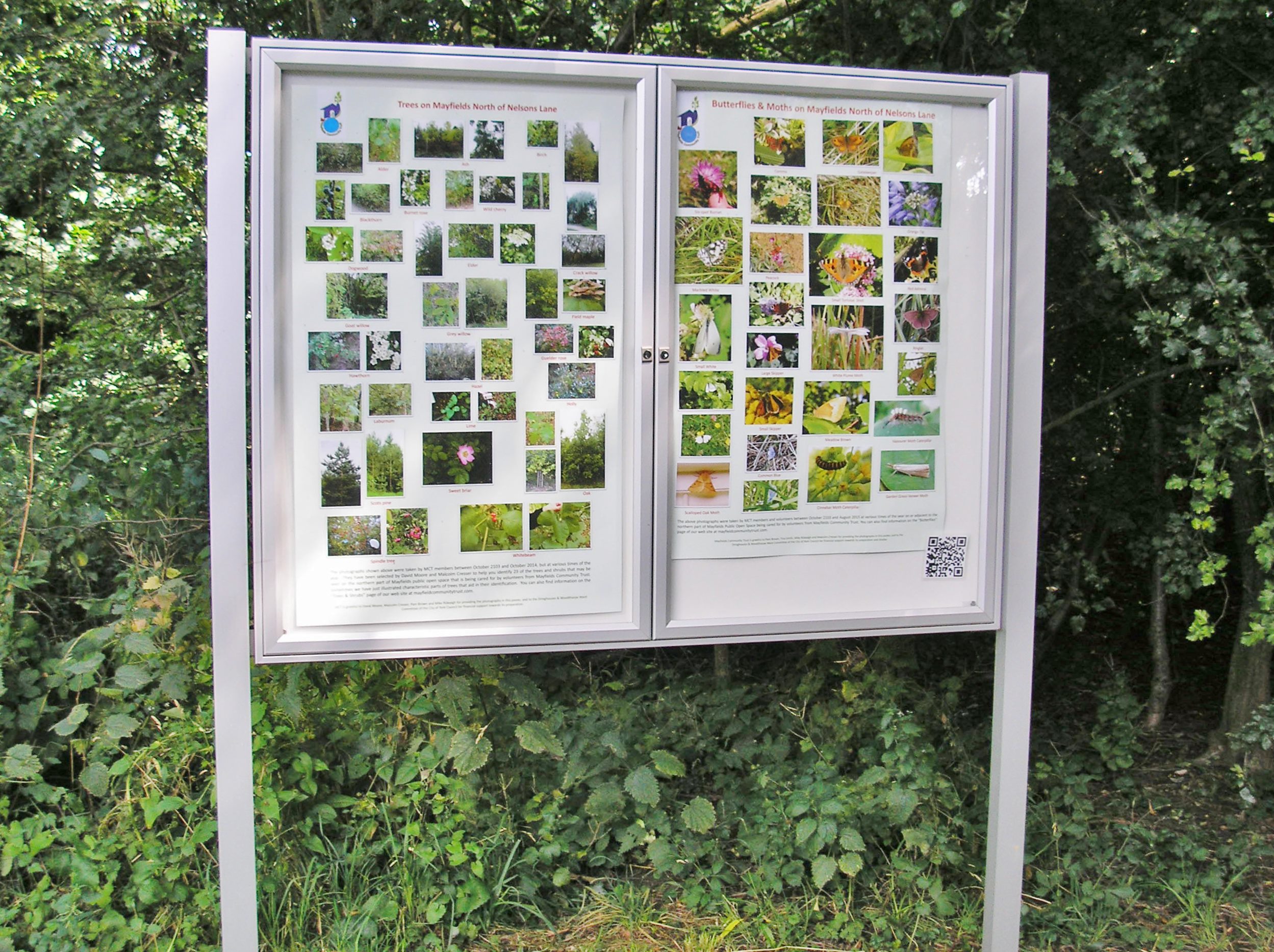
Several MCT volunteers are keen photographers of butterflies.  We thought their work would be of interest to a wider audience of Mayfields site users so have made a poster showing butterflies than can be seen on the site for one of the information boards.

We mentioned back in February that MCT had been given 4 buckthorn tree saplings by Mark Tyszka from Friends of Hob Moor.  They are potentially very attractive to Brimstone butterflies,  The field-work co-ordinator has grown them on in 10-litre pots in his garden, as shown below, and they have come on well so we will plant them out on the site in September.

DSCF1342 DSCF1347

Ben, Louise, Malcolm, Pam and Margaret spent a pleasant hour and a half on Sunday morning reducing the height of Hazels and overgrown roses that were starting to damage lower branches of Scots Pines west of the path.  Straight hazel offcuts are left for anyone who wants to use them to stake garden plants.  6 MCT volunteers continued with this work the following Thursday (August 13th) and mowed the grass verges at the north end of the site, yielding 6 sacks of material for composting.


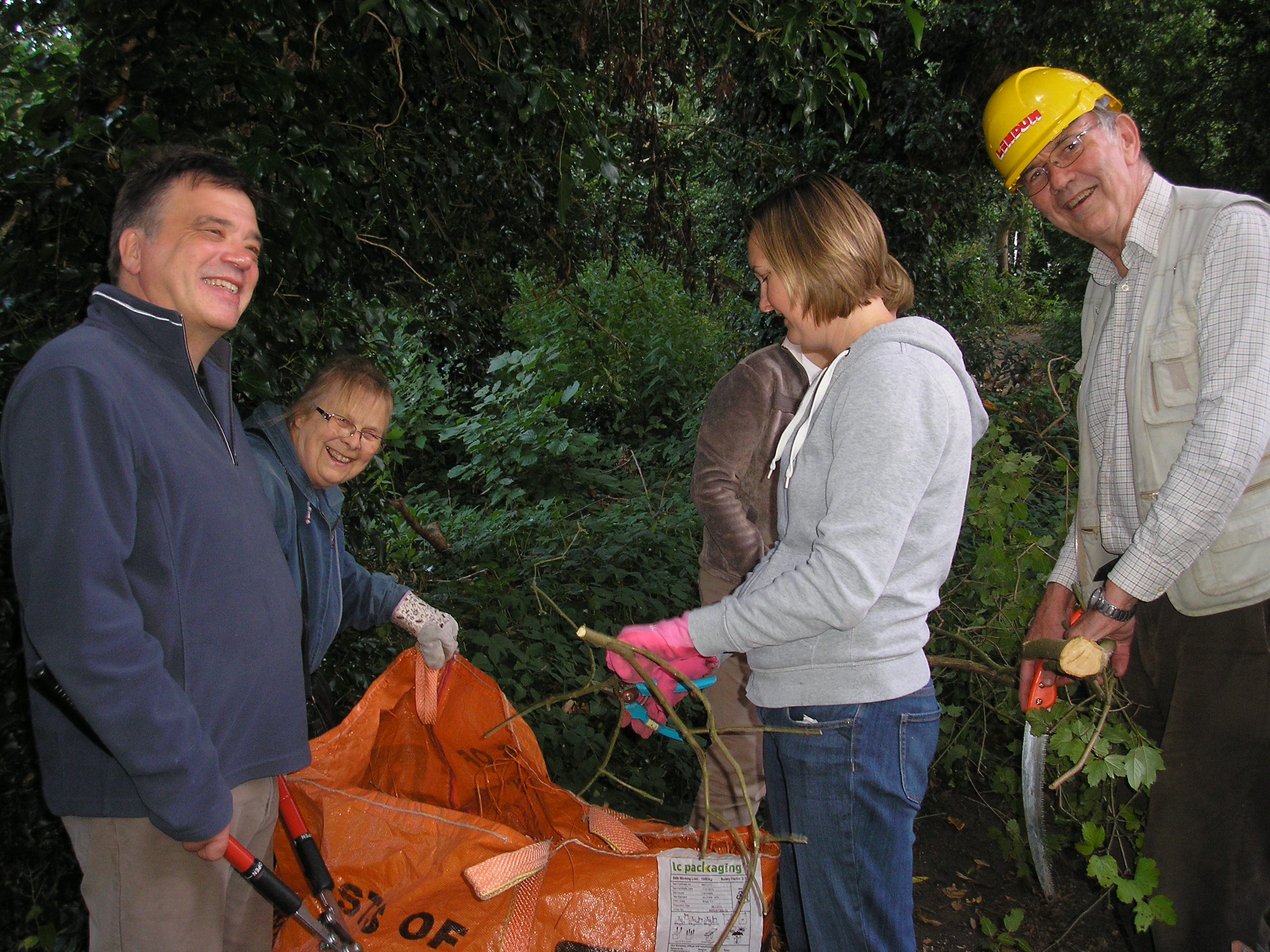
MCT were pleased to welcome Adam Cousins to their first volunteer evening session in August.  Adam (below left) is now working at Mayfields alongside Dave Moore, a Fellow postgrad student from Askham Bryan.  However both worked on the site with the field work co-ordinator for 8 hours, gaining very hands-on work experience. They cut down one heavily diseased crack willow near the playground and pollarded another which was generating potentially risky overhang over the playground.  Paul (below right) joined Adam and Dave in the evening, along with Margaret and Pam, to help cut up the trimmed material for composting on site.

Meanwhile Louise and Lesley helped Malcolm finish levelling, and removing building rubble from, the area behind the houses at the Nelsons Lane end of Hobmoor Terrace. This area has been seeded with grasses to facilitate future management by periodic mowing so we’re hoping for some rain over the next few days.

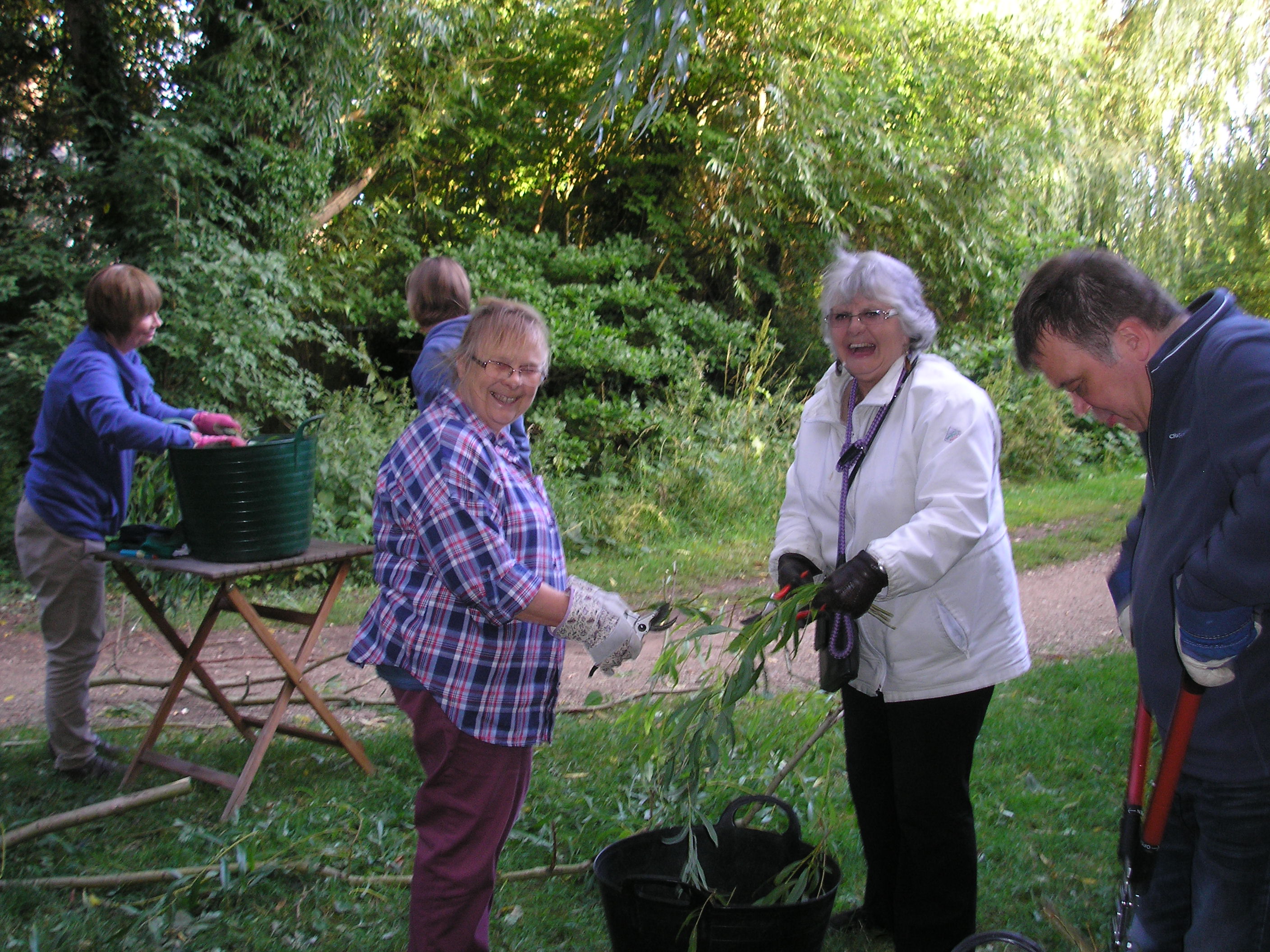
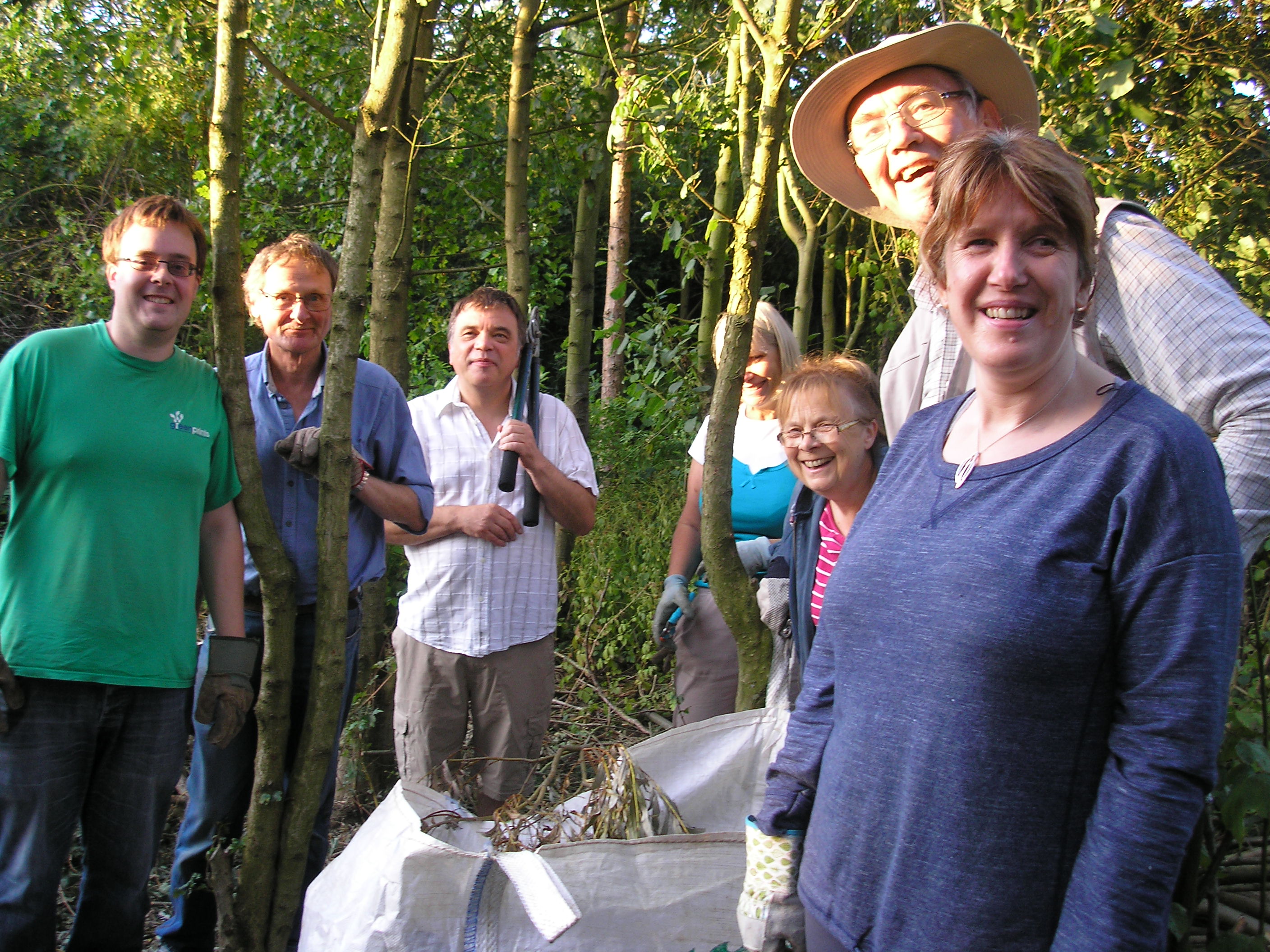
Eight volunteers turned out for our session on Thursday July 30th.  Our pole saws were put to good use in trimming the vegetation overhanging the paths, which helps minimize humus accumulation and muddy puddle generation.  It also helps keep the path lighter to walk through in the early mornings and the evenings as winter approaches.  It was good to see Margaret  and Louise, the MCT Chair and Secretary, and other volunteers particularly enjoying completion of the work planned.  As ever Pam caught the moment on camera.


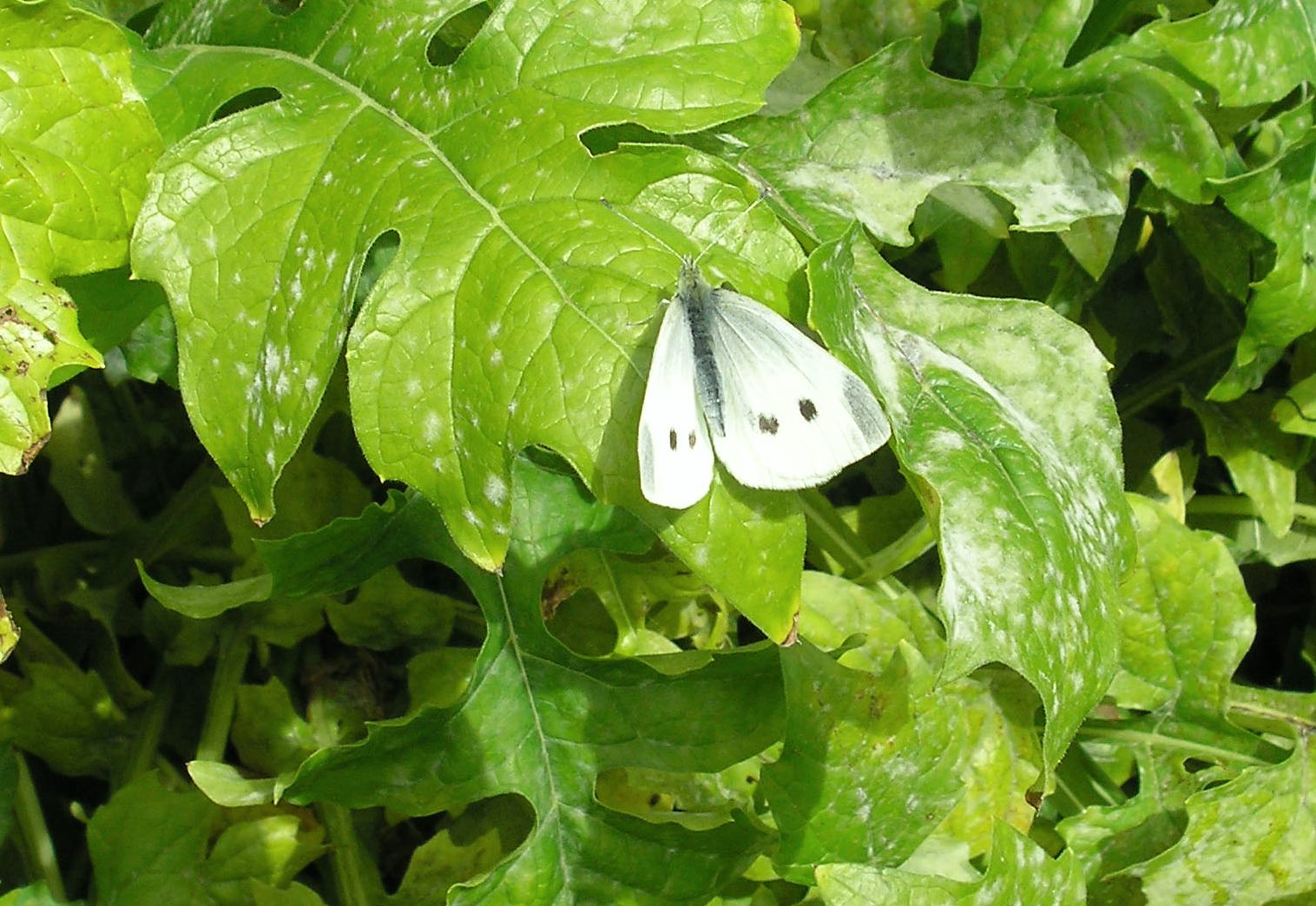
Don’t forget to look at our “Butterflies” page.  We’ve added several more photos recently from Pam, Mike and Tina.  There were numerous small whites and commas around at the weekend.

Comma1 

There’s an attractive patch of Creeping Jenny beside the path behind the west bund this year.

Creeping Jenny

If we have to trim trees at this time of year we always check very carefully for bird nests. The opportunist pigeon below had neatly exploited one of the crack willows we pollarded last year to provide a very sturdy nest support.

Pigeon on Nest JUly 2015

Mike Ridealgh, an MCT Trustee, spent a couple of hours photographing butterflies on July 23rd 2015.  This is the first time we have seen a Marbled White on the site so it justifies its place here. Other species also photographed have been added to the butterflies page of the site.

  Marbled White

We were delighted to have Tina join Malcolm, Louise, Pam, Lesley and Paul at our Thursday evening volunteer hour and we made good progress with on-going work on reducing excessive competition between tree species on the west bund.

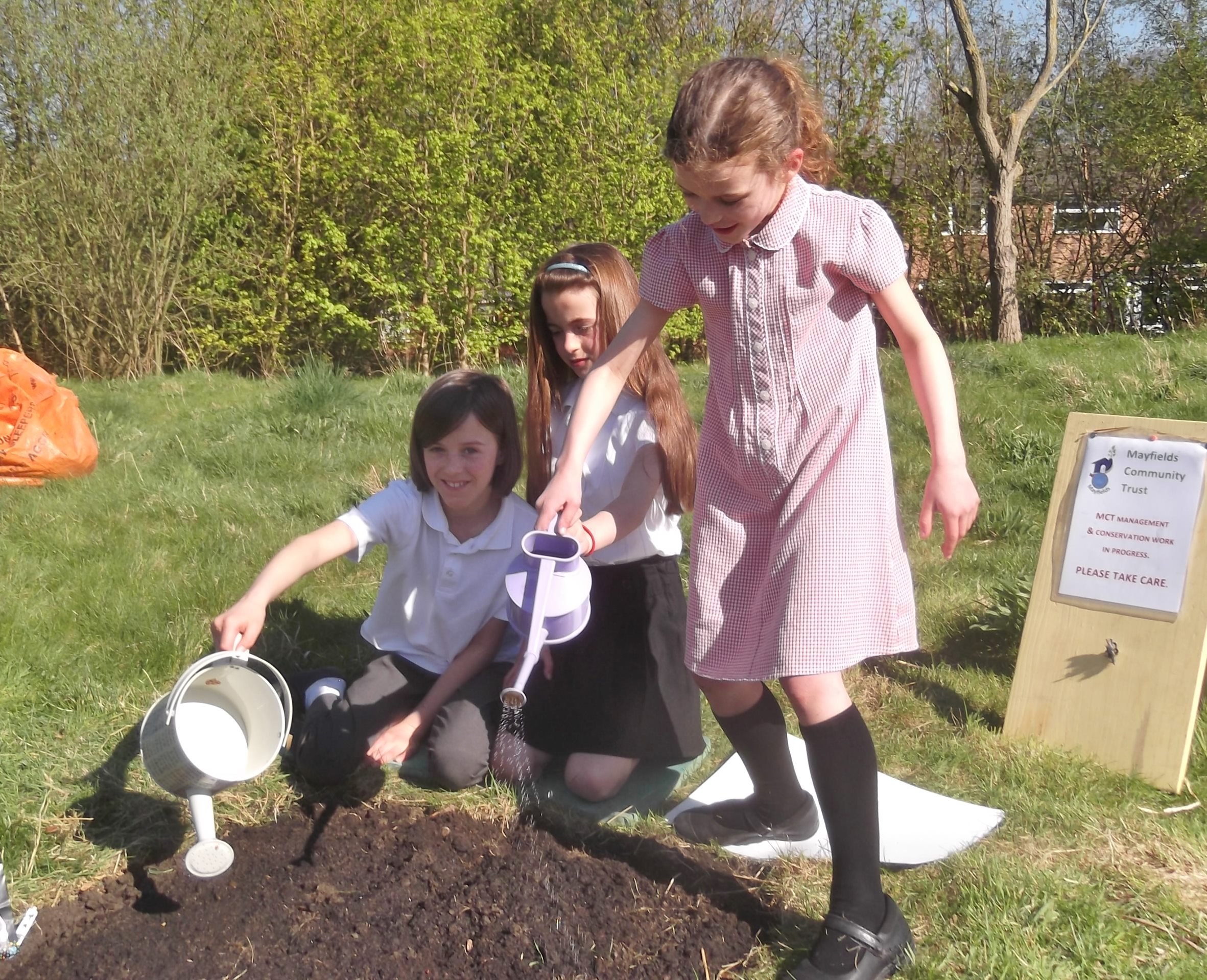
Small but beautiful – the Kew Grow Wild patch planted by our younger volunteers as Pam’s photo taken on July 22, 2015 shows.

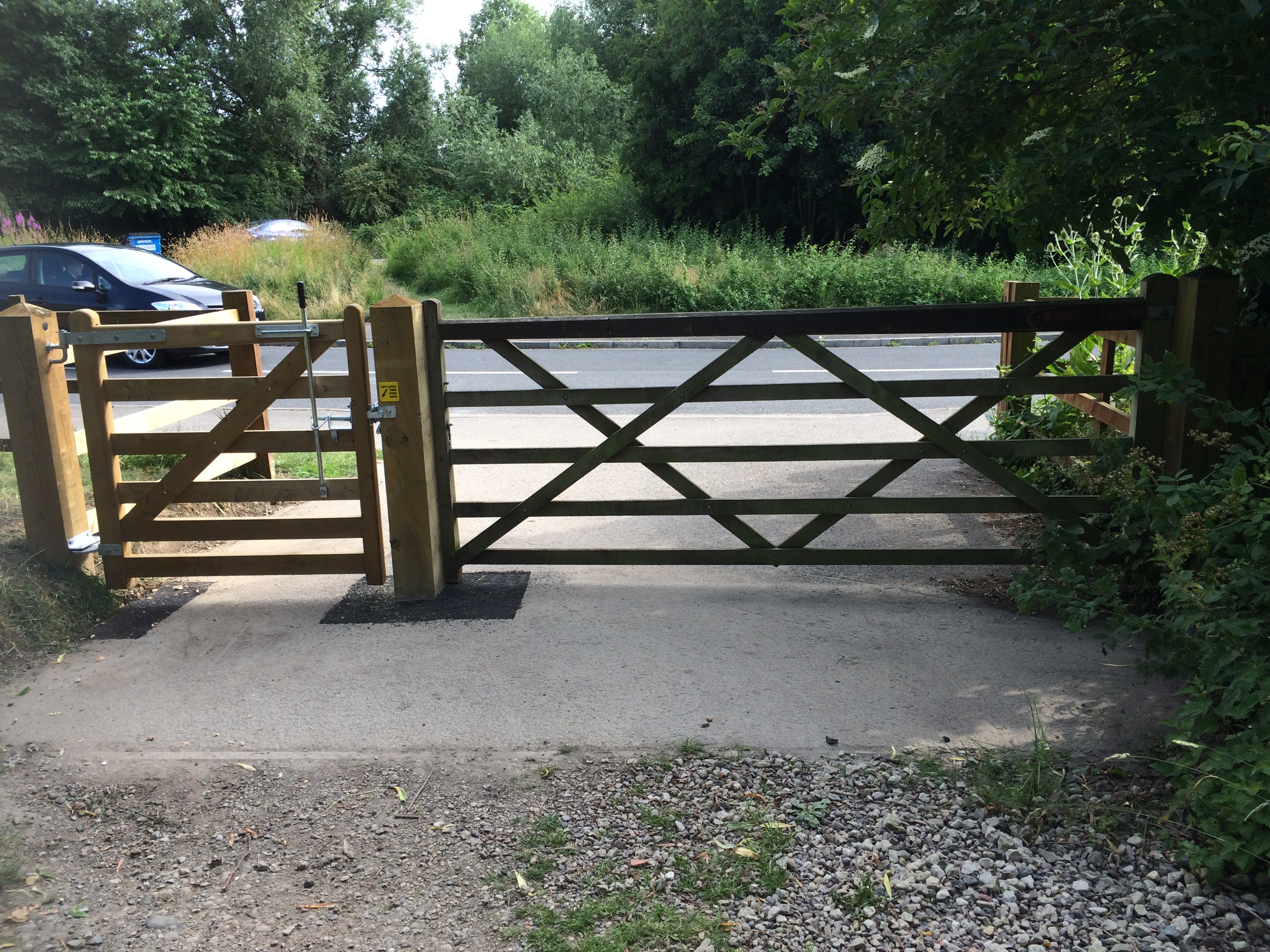
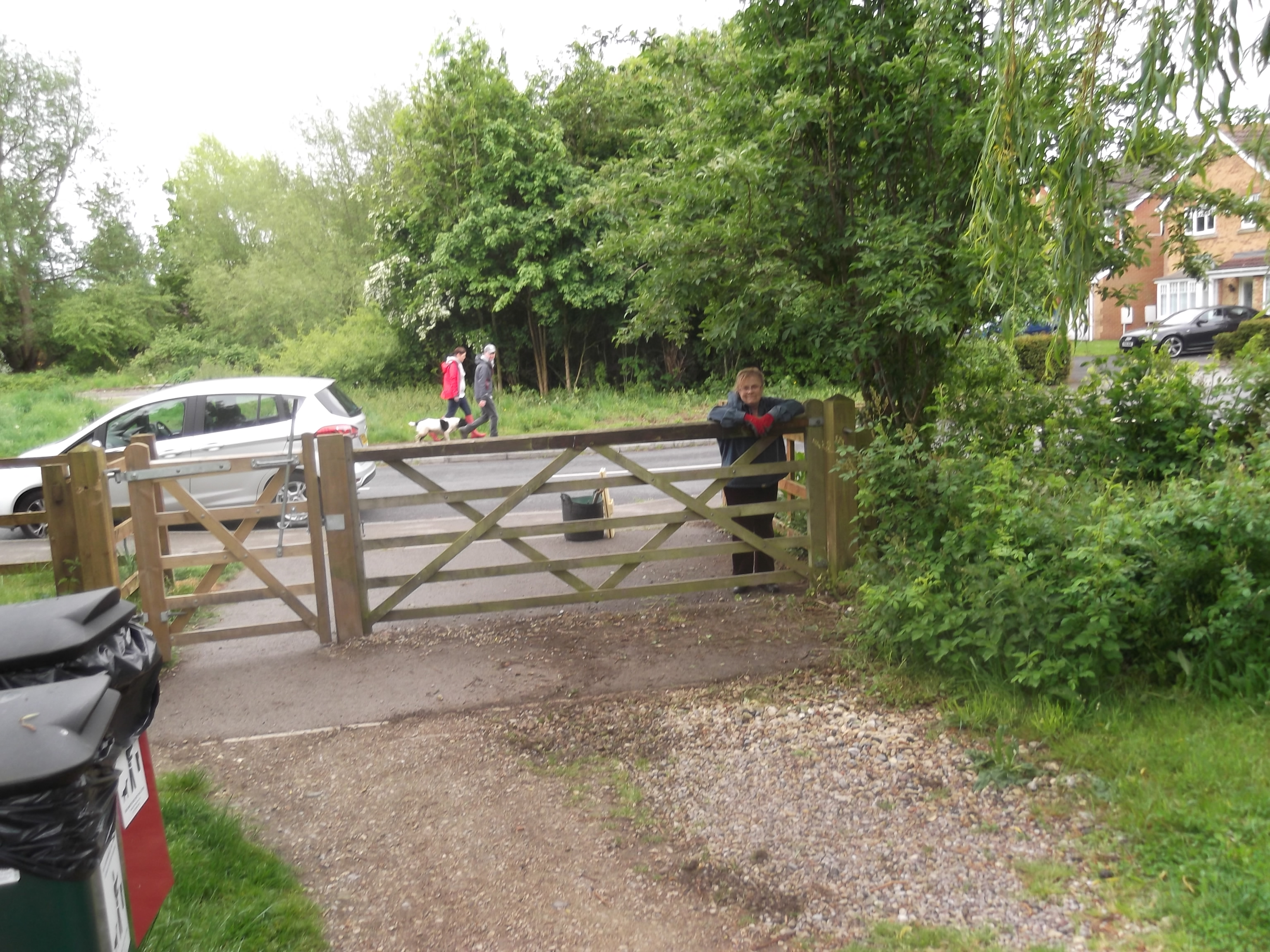
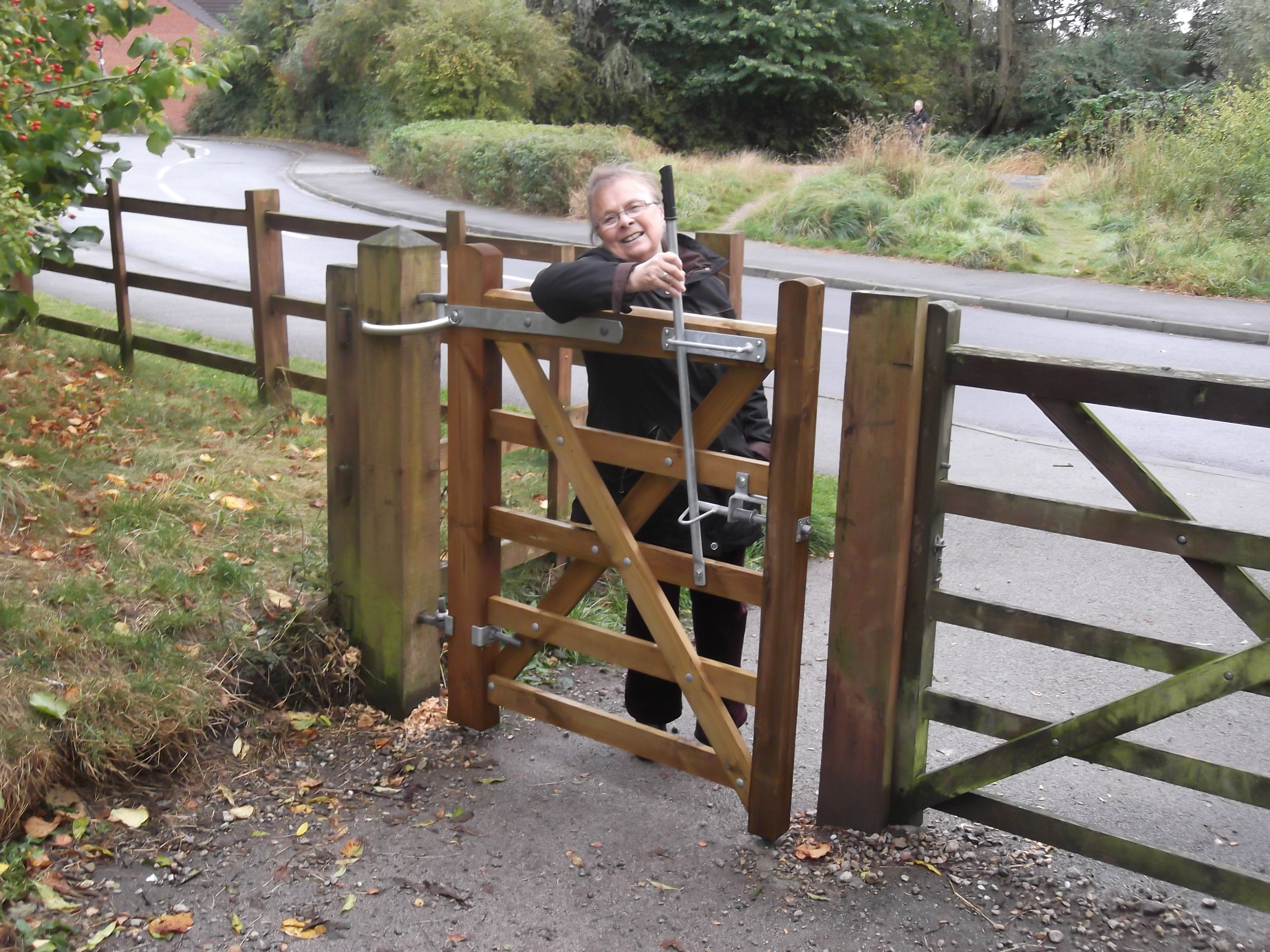
The new gate at the entrance from Nelsons Lane has now been successfully installed by a skilled group of contractors taken on by CYC.  It is a foot wider than the old gate, opens in either direction, and closes automatically.  As Margaret’s photos below show, it can be opened by a lever similar to that used before, or by using the automatically closing latch.  The third photo shows Angus posing beautifully to show why a self-closing gate was needed to prevent dogs or small children running straight out into the road.

IMG_1339

IMG_1340 IMG_1341

Pam Brown took an excellent photo of the gate from the Nelsons Lane side.  It shows what a neat finish the installers produced when they moved the side fence back by a foot.

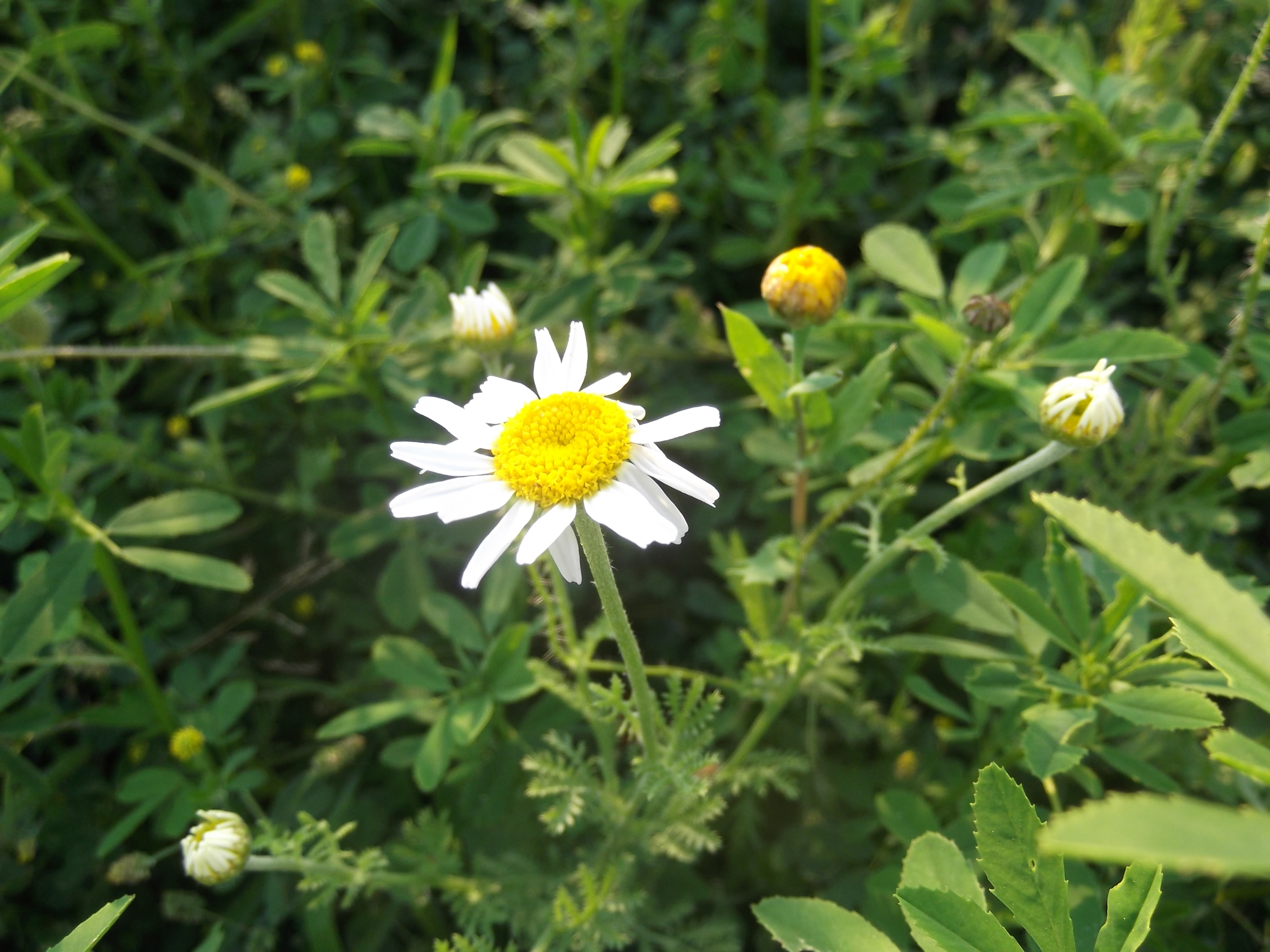
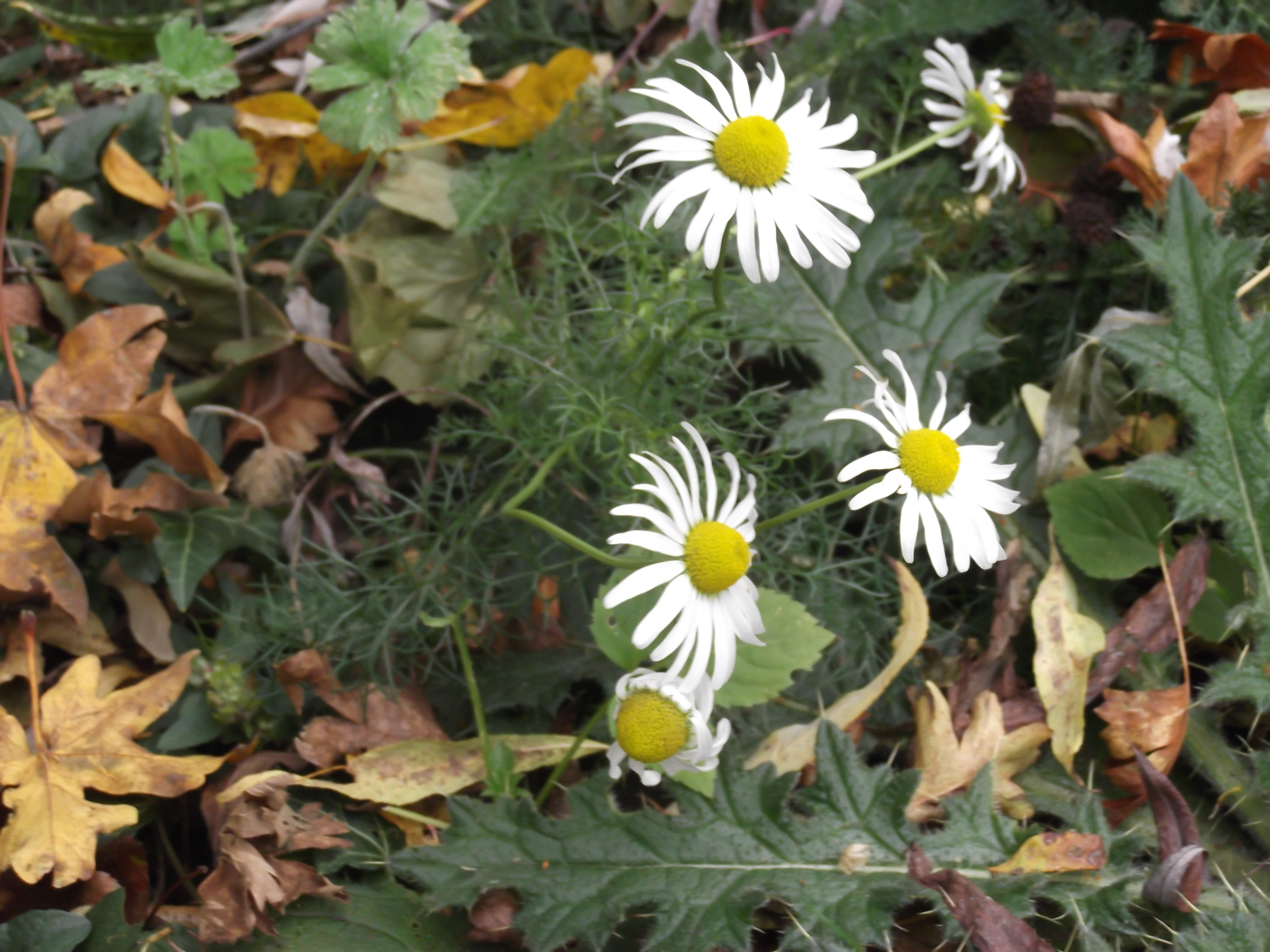
A couple more species have bloomed on our area of Kew Grow Wild seeds on the meadow, though they’re not that easy to find because of vigorous competition from the native soil seed stock. Photos below show Corn Chamomile (left) and Corn Marigold.

DSCF1288 DSCF1286

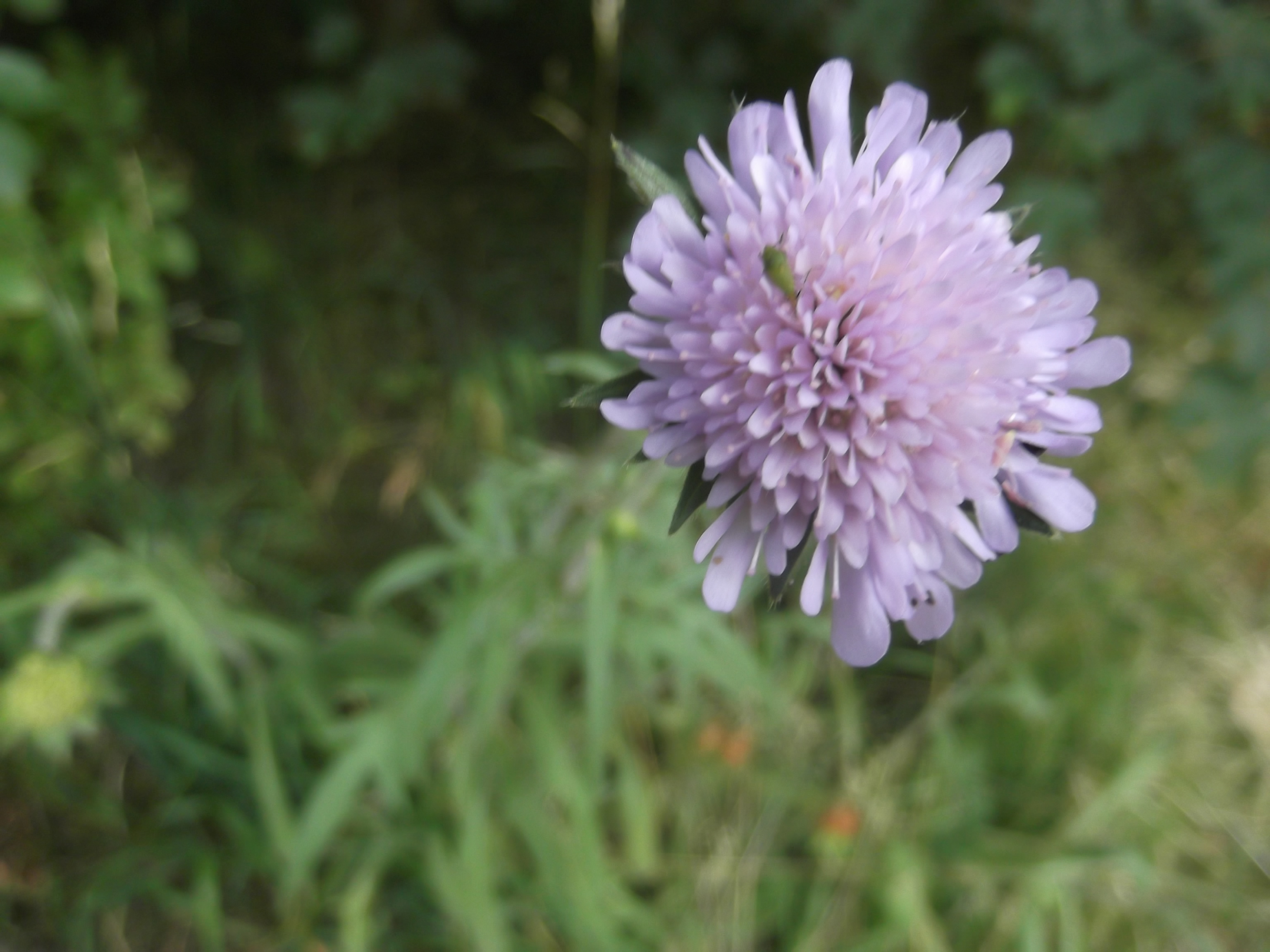
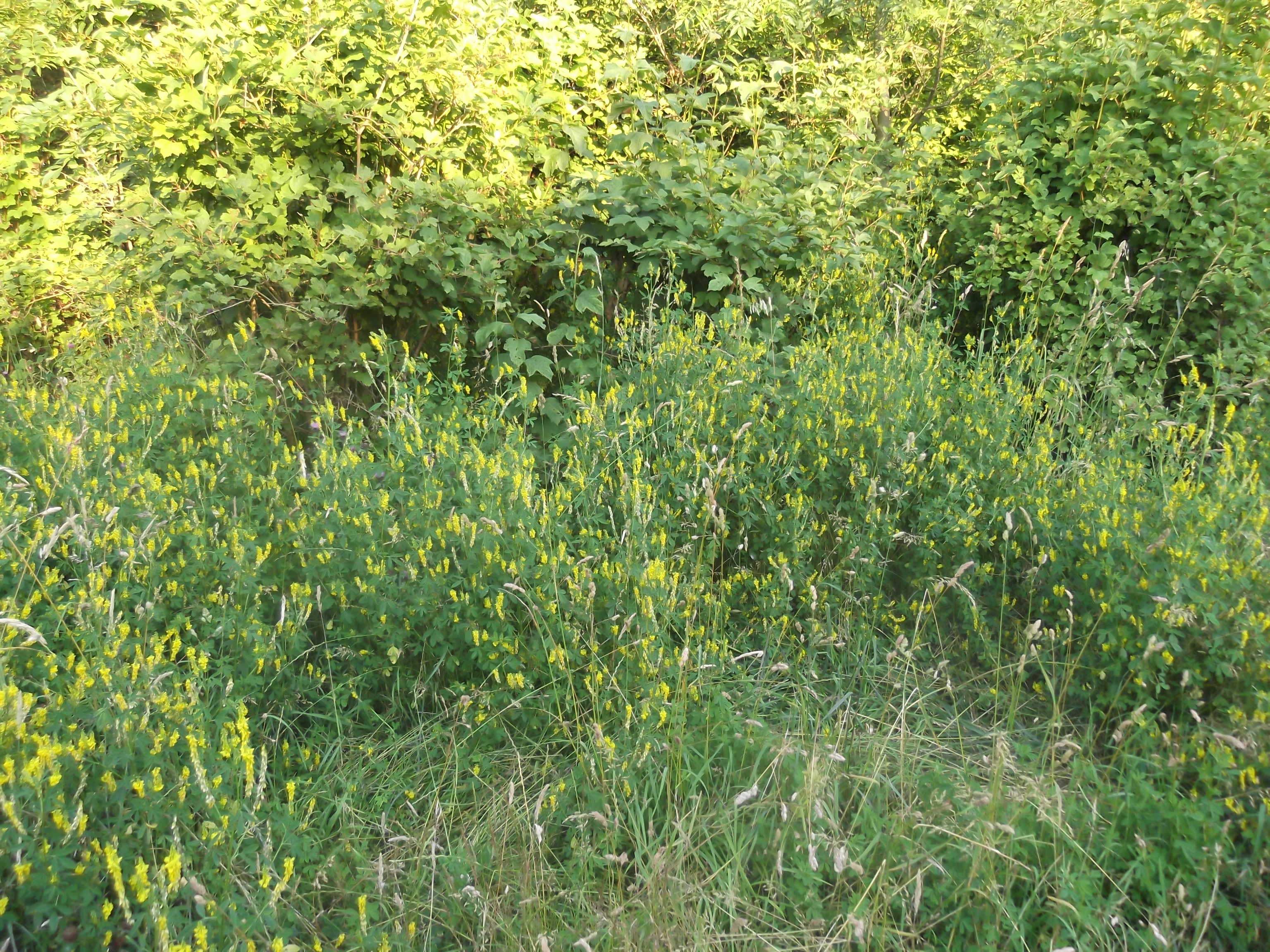
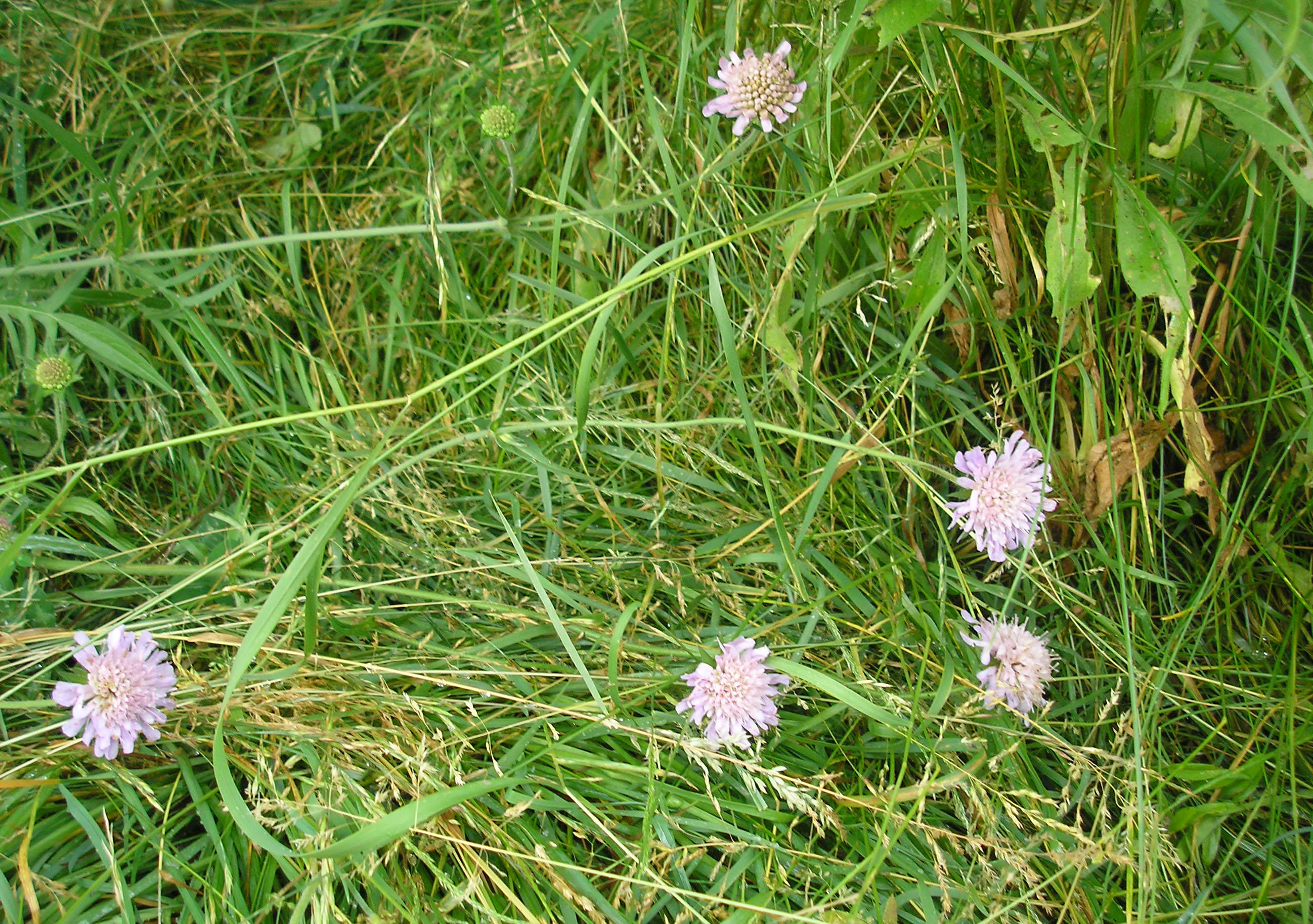
It’s nice though to see some old friends from last year re-emerging this summer, including the Scabious on the east side of the path and the St John’s Wort on the west bund.  There has been a lot more Ribbed Mellilot this year, and in patches it looks quite spectacular.

Scabious_July2015  DSCF1291

Mellilot by path 2015

The new automatically closing gate is being installed by CYC contractors.  Installing the first of the new larger gateposts proved to be a real challenge because of the nature of the impenetrable material that makes up the sub-soil.  Hopefully their hard work will be well worth it in the end.

GatePost July 2015

In the first 2 weeks of July, 2015, MCT has been concentrating on clearing massively overgrown marginal areas behind houses along the Nelsons Lane end of Hobmoor Terrace.  This was after consultation with local residents, some of whom were being seriously adversely effected by years of nature having been left to its own devices. Incidentally the bright yellow of the Ladies Bedstraw on the land adjacent to Nelsons Lane is back and even better this year than it was for the Grand Depart in 2014!!

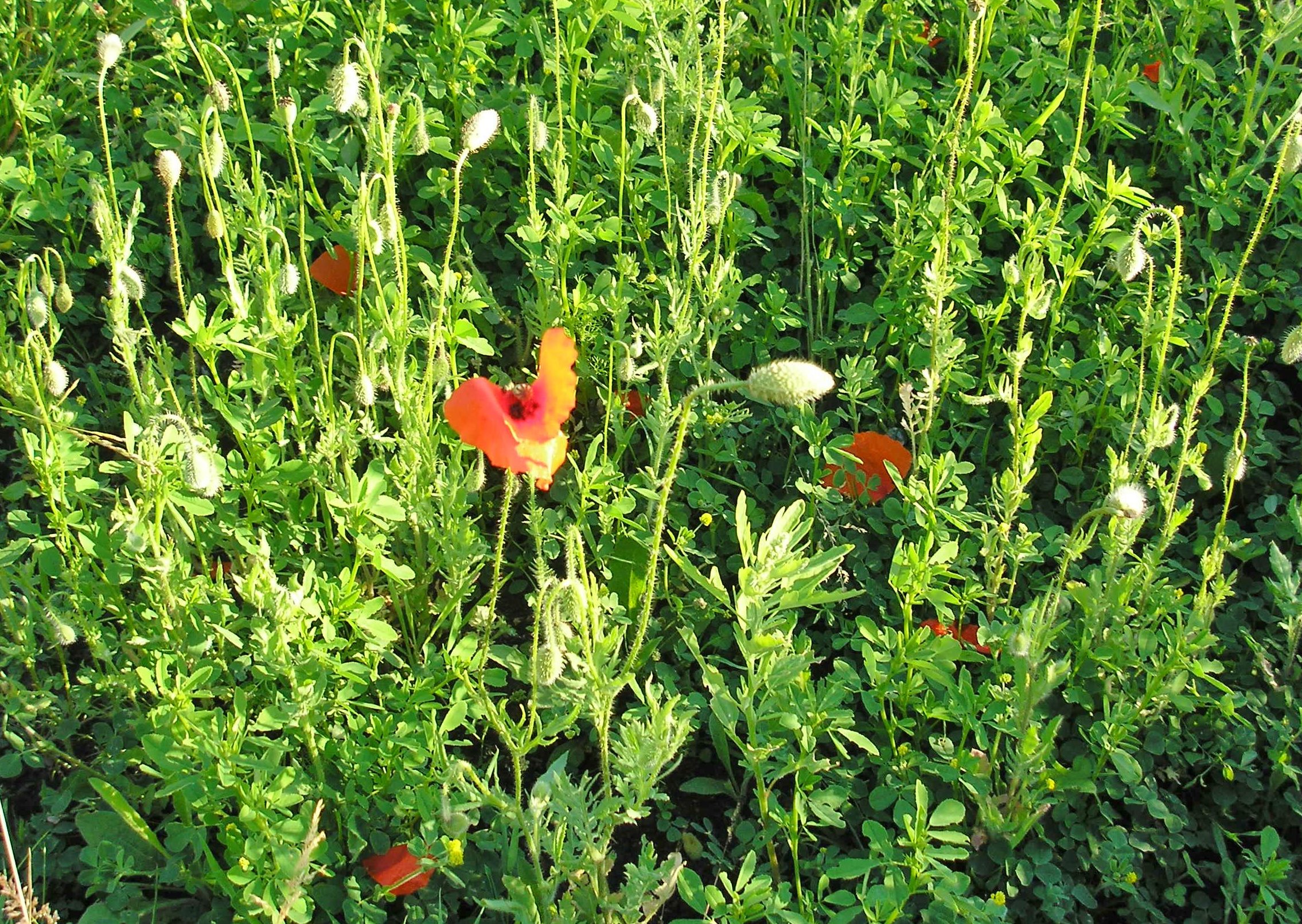
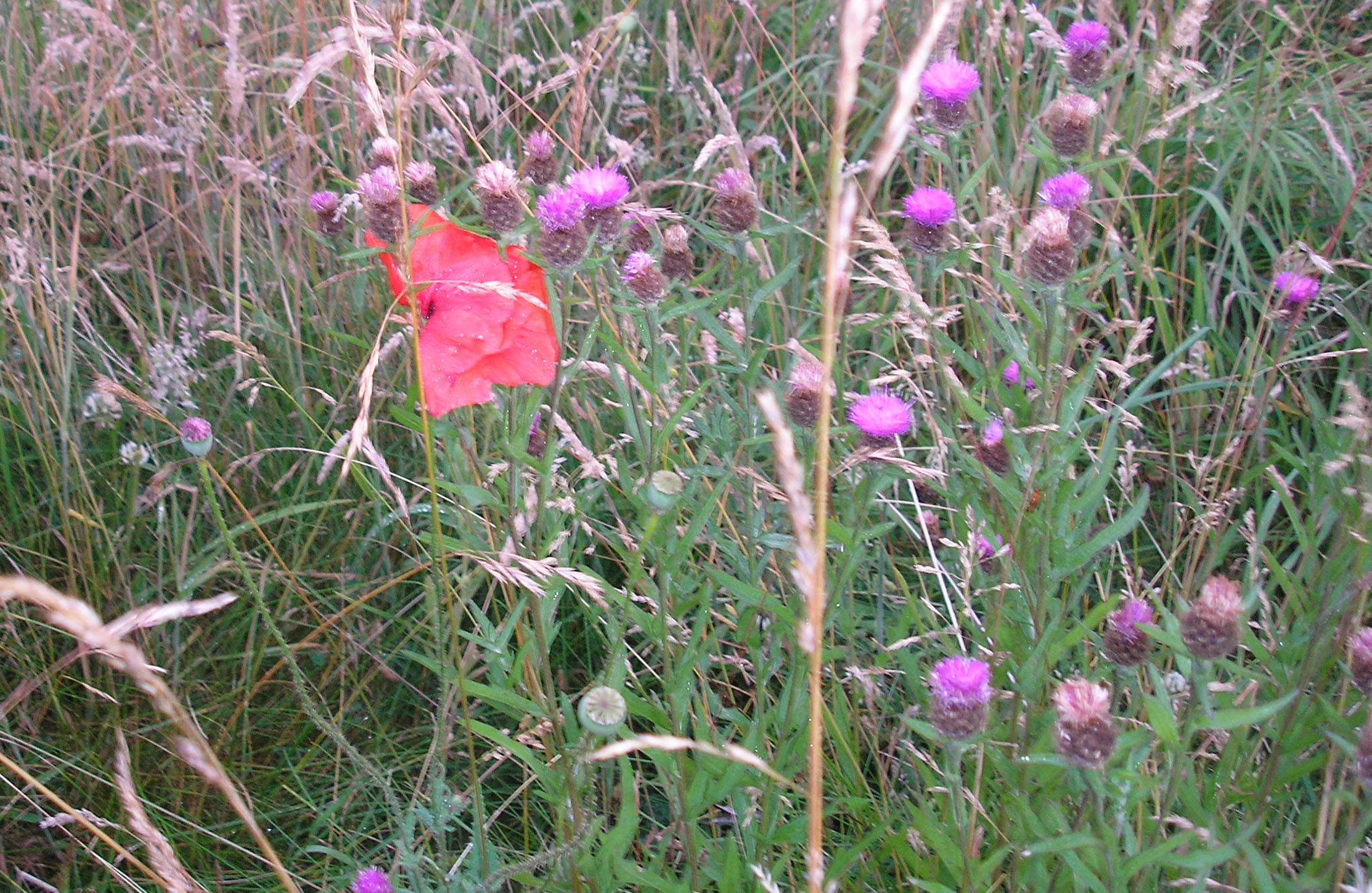
Pam Brown, MCT’s intrepid photographer, penetrated into the meadow on 9th July to photograph the area re-seeded with Kew Grow Wild seeds earlier in the year.  I think you’ll agree when you see the poppies her effort was worthwhile, as they are too short to be seen from further away.

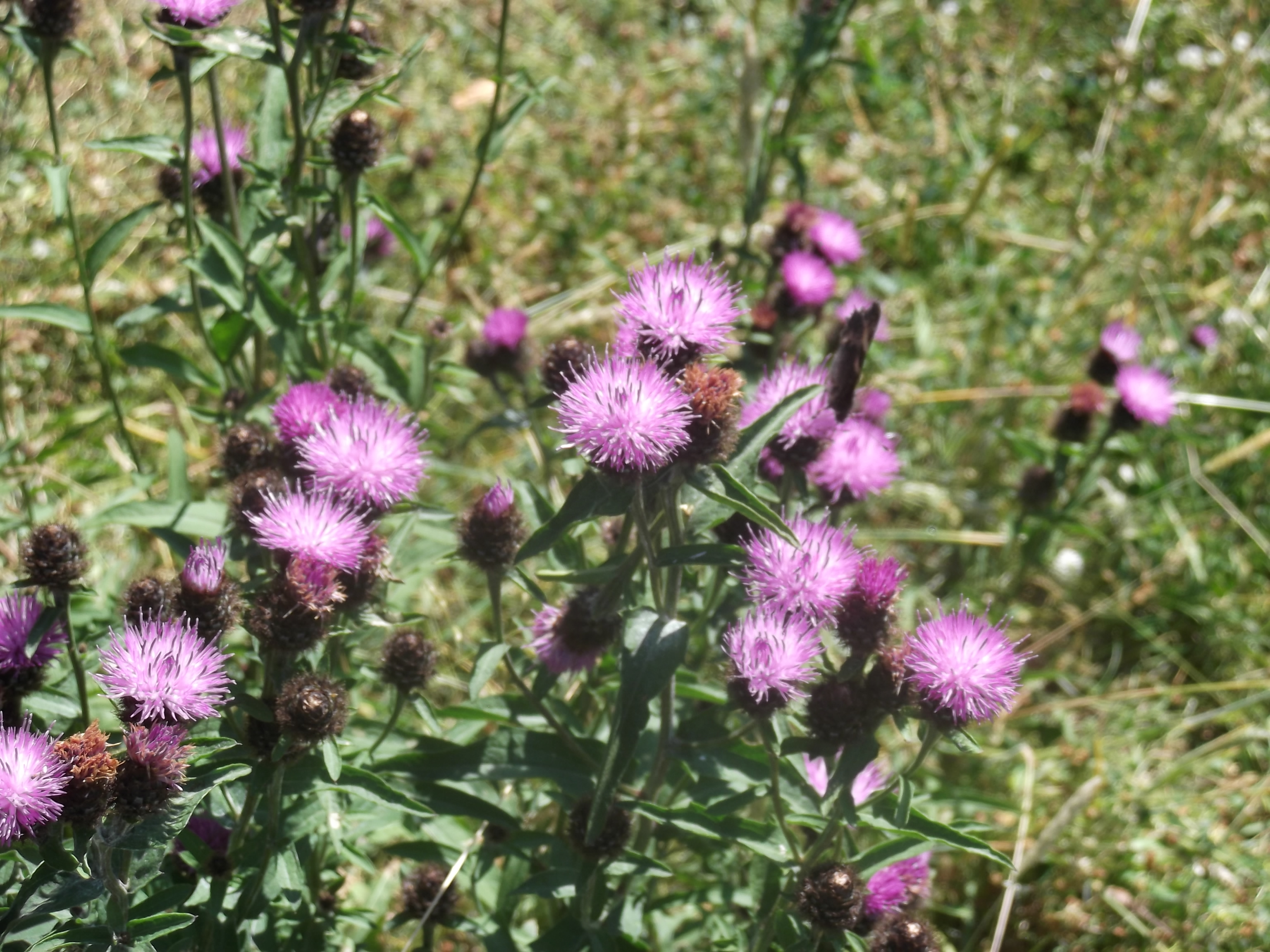
Down on the meadow on July 3rd we were surrounded by Tortoiseshell butterflies.  Alas we only caught one on camera, on the Knapweed, and it opened its wings just in time to be too late for the photo below!

DSCF1269

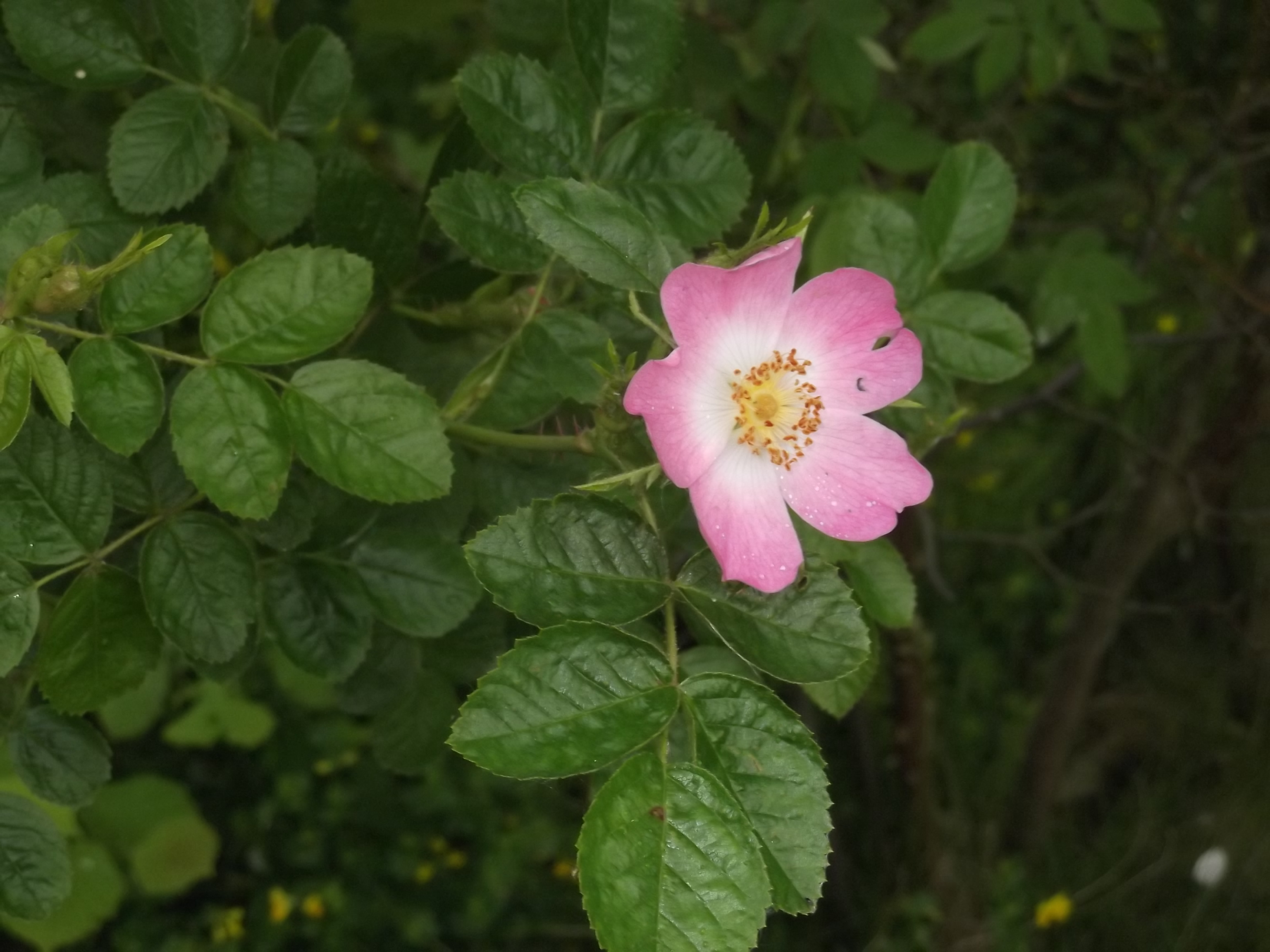
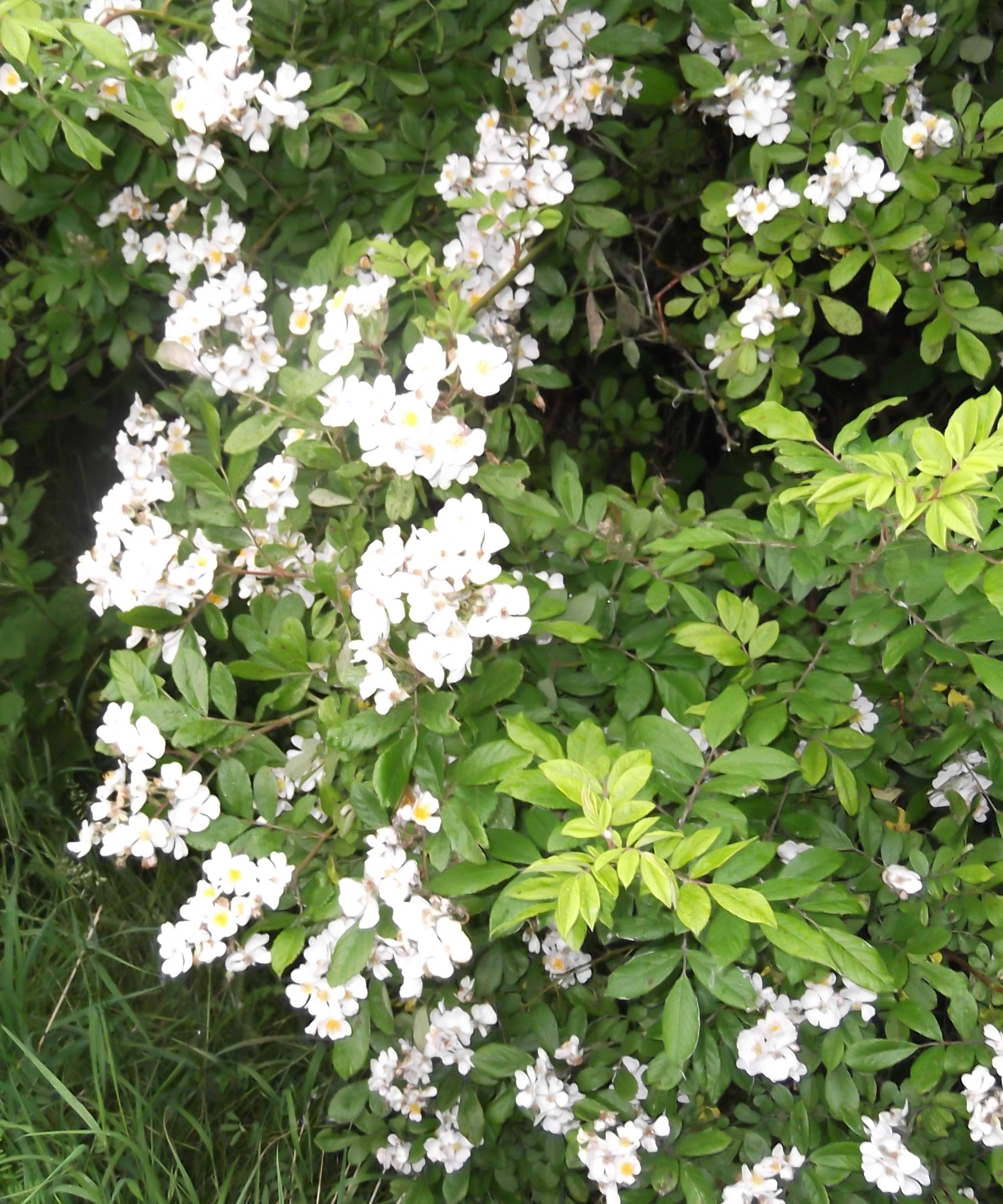
One of the many attractive features of Mayfields in July is the abundance of roses.  You should easily spot at least 3 types.

Sweet Briar  DSCF1260

Burnet Rose June

You might also notice selective mowing to help maintain habitat diversity at various points around the site, though some is to protect (i.e. improve conditions for) recently planted trees and shrubs.  There are now some buds on the poppies from the Kew seeds planted earlier in the year, but growth is very slow due to the prolonged dry weather.

MCT Activities, May & June 2015

We had an extra volunteer session on Sunday 28th June when Ben planted the remainder of our foxgloves at the north end of the west bund.  In spite of the heavy downpour on Saturday it was still necessary to use a pick to break up the bone dry soil. The plants were well watered after planting and again later in the evening.

Slightly ironic that when we went out to water our newly transplanted foxgloves on Friday evening the heavens opened just as the first can was emptied.  One consolation was that the MCT chair, Margaret Silcock, managed to catch the magic of a rainbow a few minutes later.

Rainbow

Earlier on Friday  Dave Moore and Malcolm were checking on trees and spotted a healthy young Rowan (left) and a group of small European Aspen (Populus tremula, right) on the site.

DSCF1261 DSCF1267

At our Thursday evening session on June 25th, 5 volunteers started to plant out the foxglove plug plants raised from seed planted last autumn by one of the team.  The soil was extremely dry and hard, so that in areas to be planted had to be broken up using a pickaxe so grass could be removed. 30 were planted to form 3 groups where the flowers should be clearly visible from the main path, and watered in thoroughly.


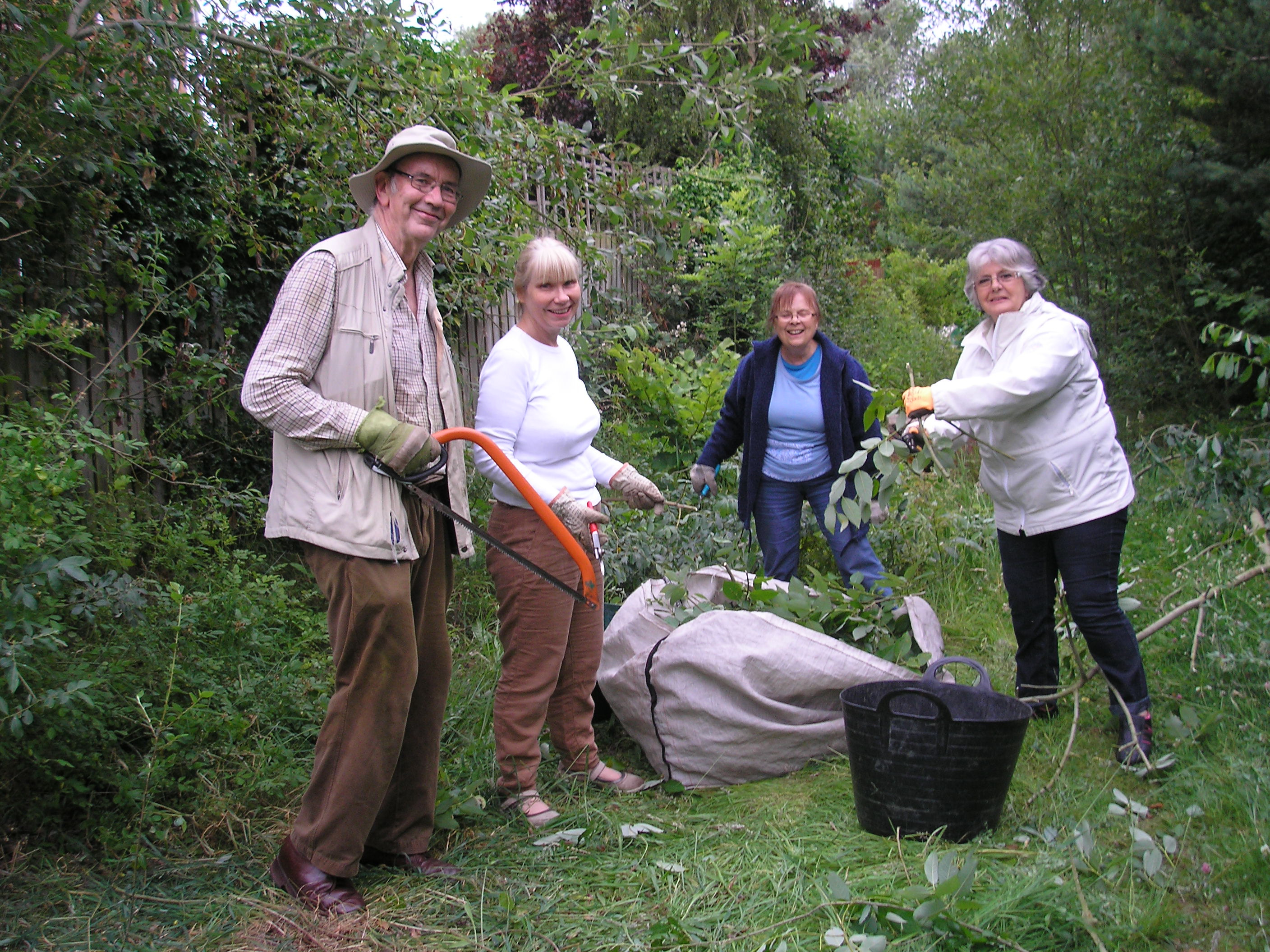
Our 6 volunteers on June 18th trimmed the grass around the pine, oaks and blackthorns planted last year to the east of the path and reduced the sideways extension of one of the overgrown crack willows, cutting up the trimmed material for composting.  As you can see, Pam caught some of them on camera.


Nice to know it’s not just locals enjoying Mayfields plant life; Pam caught a very contented bee on camera today!

We were  pleased to welcome Ben Kelsall to a MCT volunteers session on Sunday morning (June 14th 2015) to help our work on the N end of the west bund.

On Thursday 11th June, 5 MCT volunteers reduced the height of the hazels beside the Nelsons Lane gate (below).  This was to improve growing conditions for (and view of!) the adjacent Silver Birch and Ash trees.  The pruned material was were composted at the other end of the Mayfields site.

DSCF1257

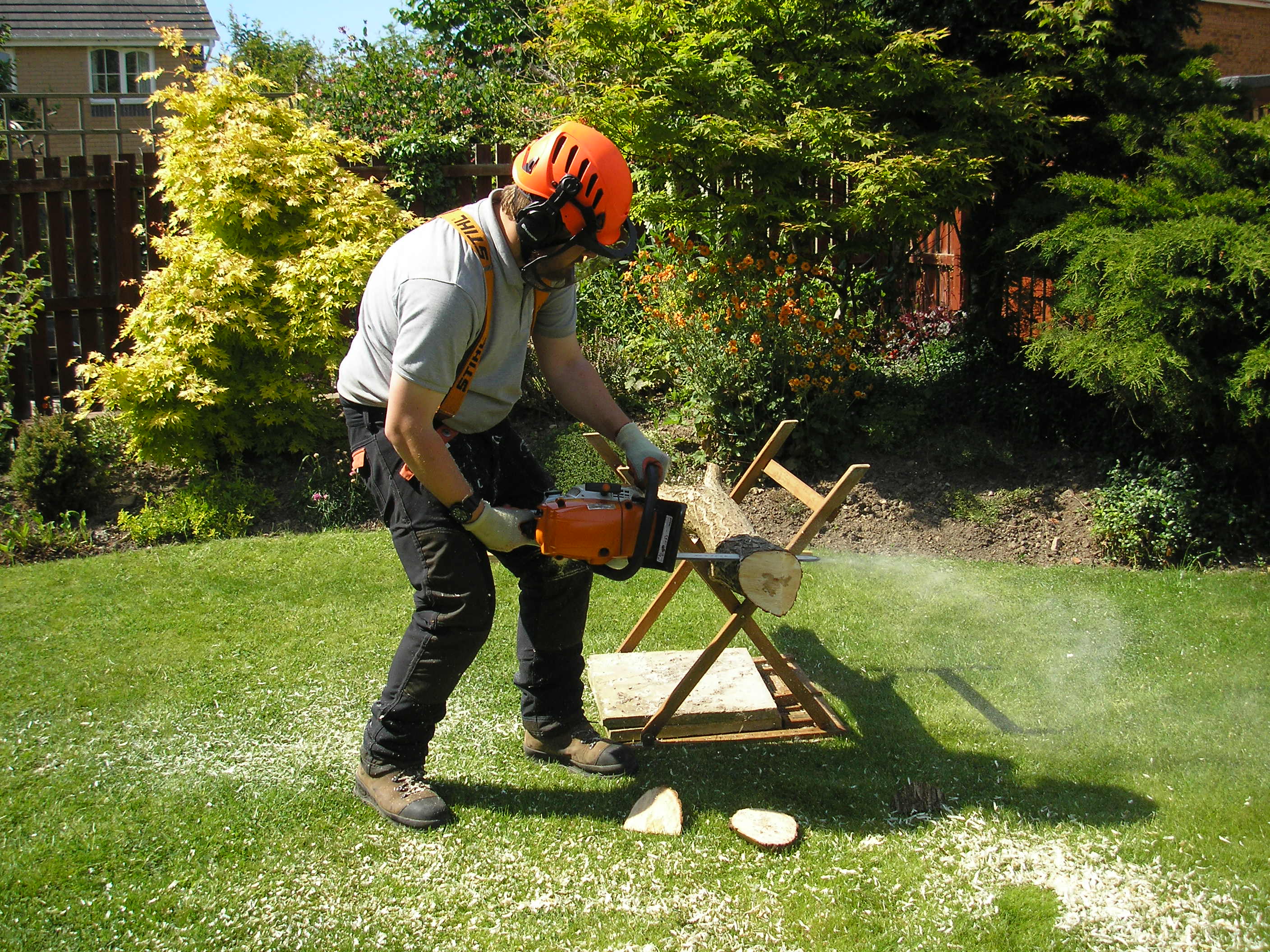
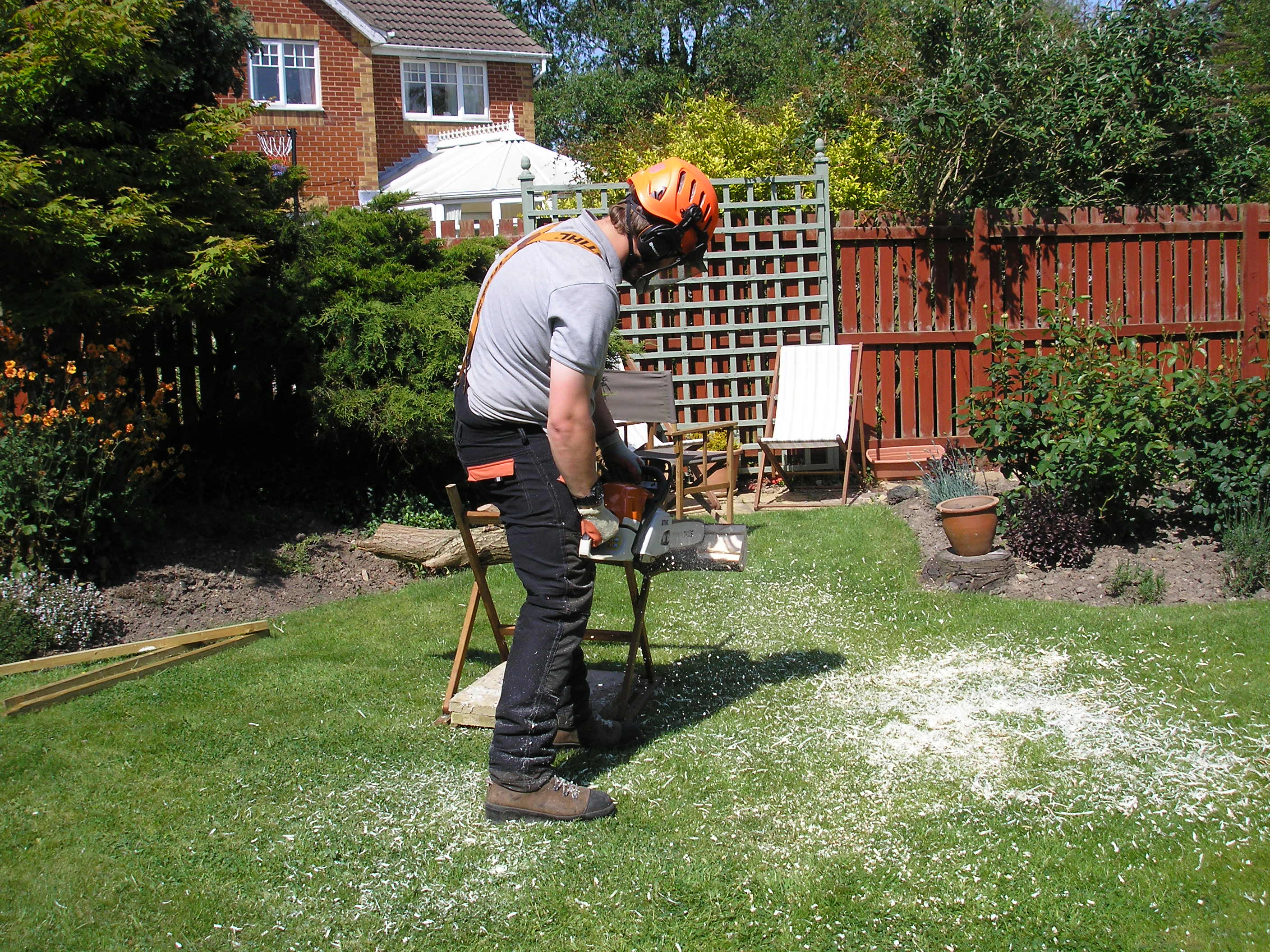
Although most of what you see of the work of MCT volunteers is what they do to woodland, the path and the meadow, they are also doing their best to encourage many forms of wildlife.  We now started making rustic bird nesting boxes from suitable waste timber from the site.  Pictures below show the sort of box Dave Moore is creating, working in an adjacent garden as we don’t use chain saws on the site.  You can see the MCT secretary is impressed by his handiwork!


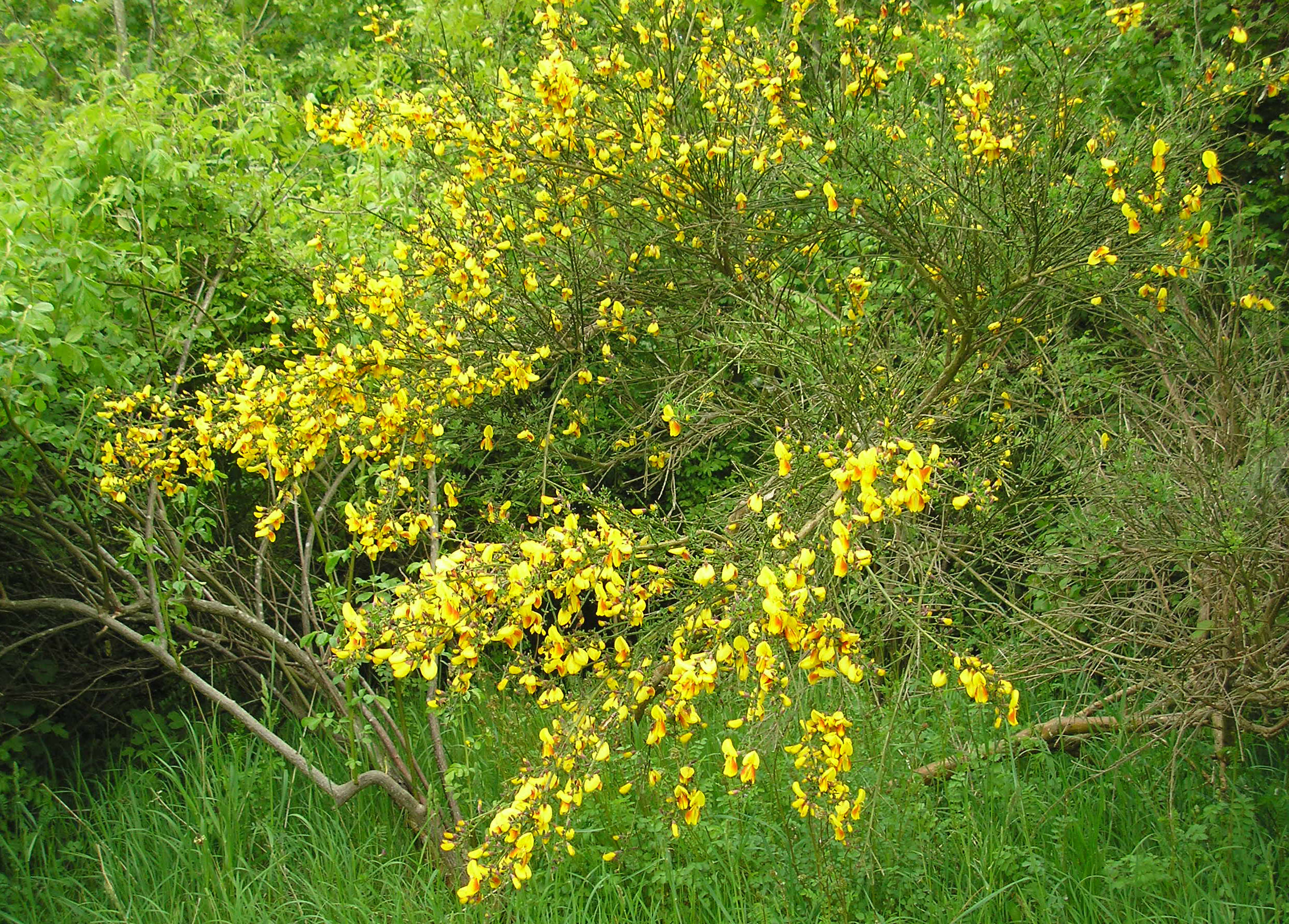
Our volunteers have spent several hundred hours over the past 2 years cutting back grass with mowers or selectively from overgrown tussocks with sheers and taking the grass away for composting. This has reduced the excessive nutrient nitrogen status of the soil which had risen due to pollution from the atmosphere and in rain over more than a decade. Lower soil fertility benefits wild flowers generally compared to grasses, especially legumes like clover that can fix nitrogen from the air via nodules on their roots.  The red clover has become much more prolific as a result and is looking really beautiful at the start of June. The closely related broom east of the path is also looking rather splendid now.

Our Kew “Grow Wild” seedlings are continuing to develop in the re-sown patches, as Pams photo taken on May 30th shows. Kew Grow Wild seedlings as at May 30th 2015 The final MCT volunteer session in May was on the evening on Thursday 28th May. The weather was good so Paul, Lesley, Harriet, Dave, Pam, Louise and Malcolm made excellent progress with improving the woodland and the N end of the W bund, building on the work Dave Moore and Malcolm had been doing earlier in the week to improve tree spacing, growth conditions and appearance.  Care is taken first though to check for any signs of bird-nest building.

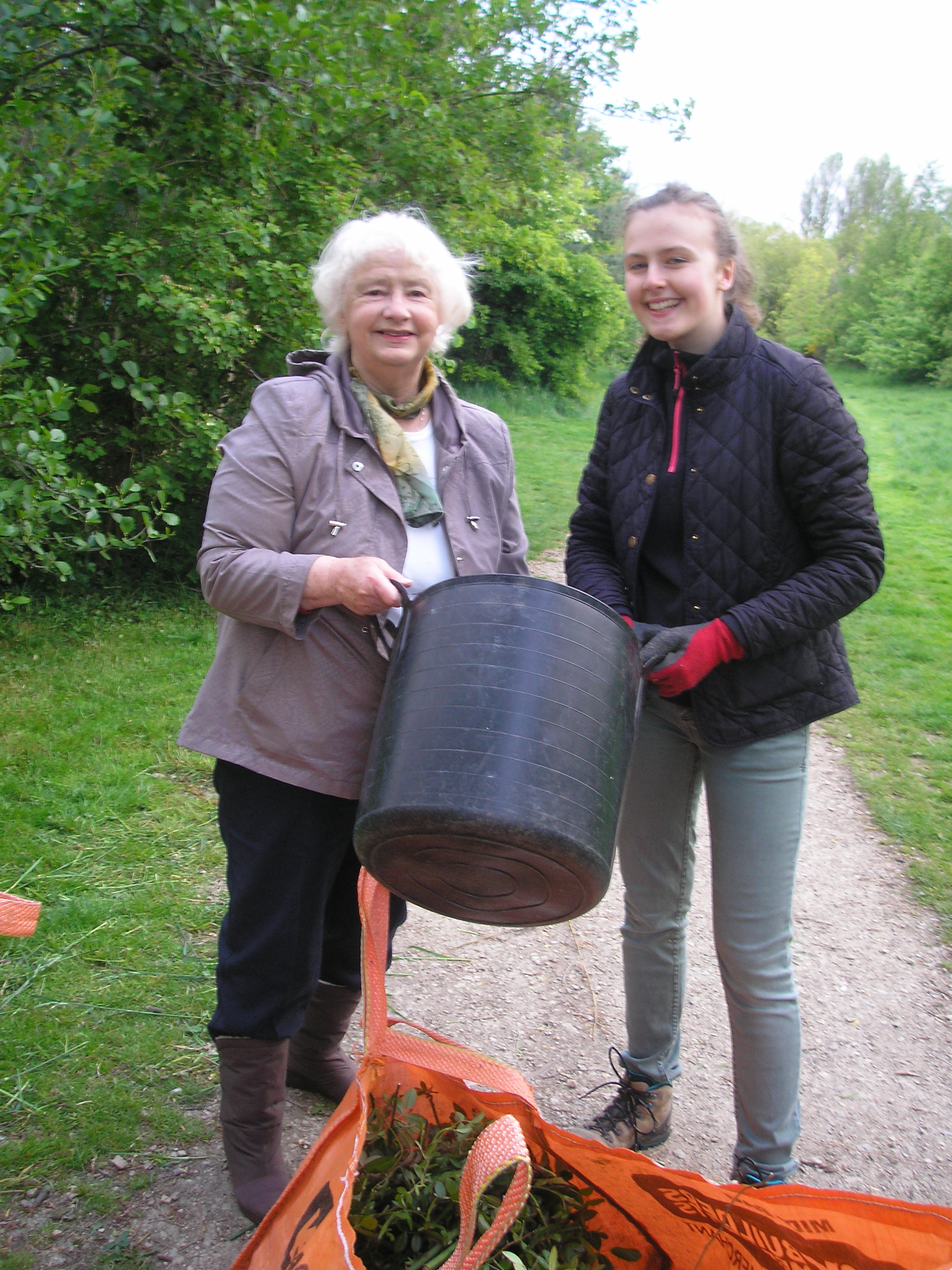
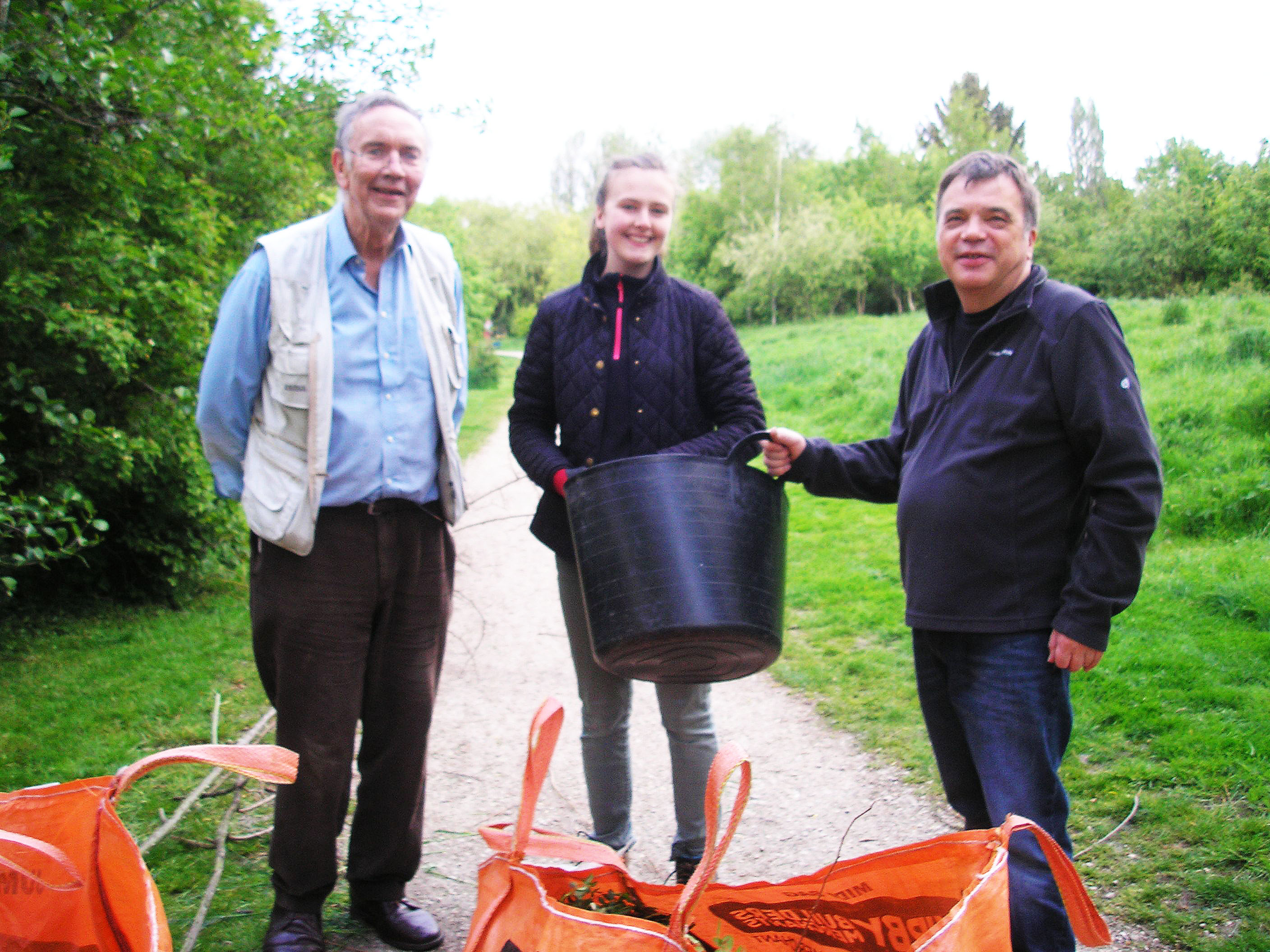
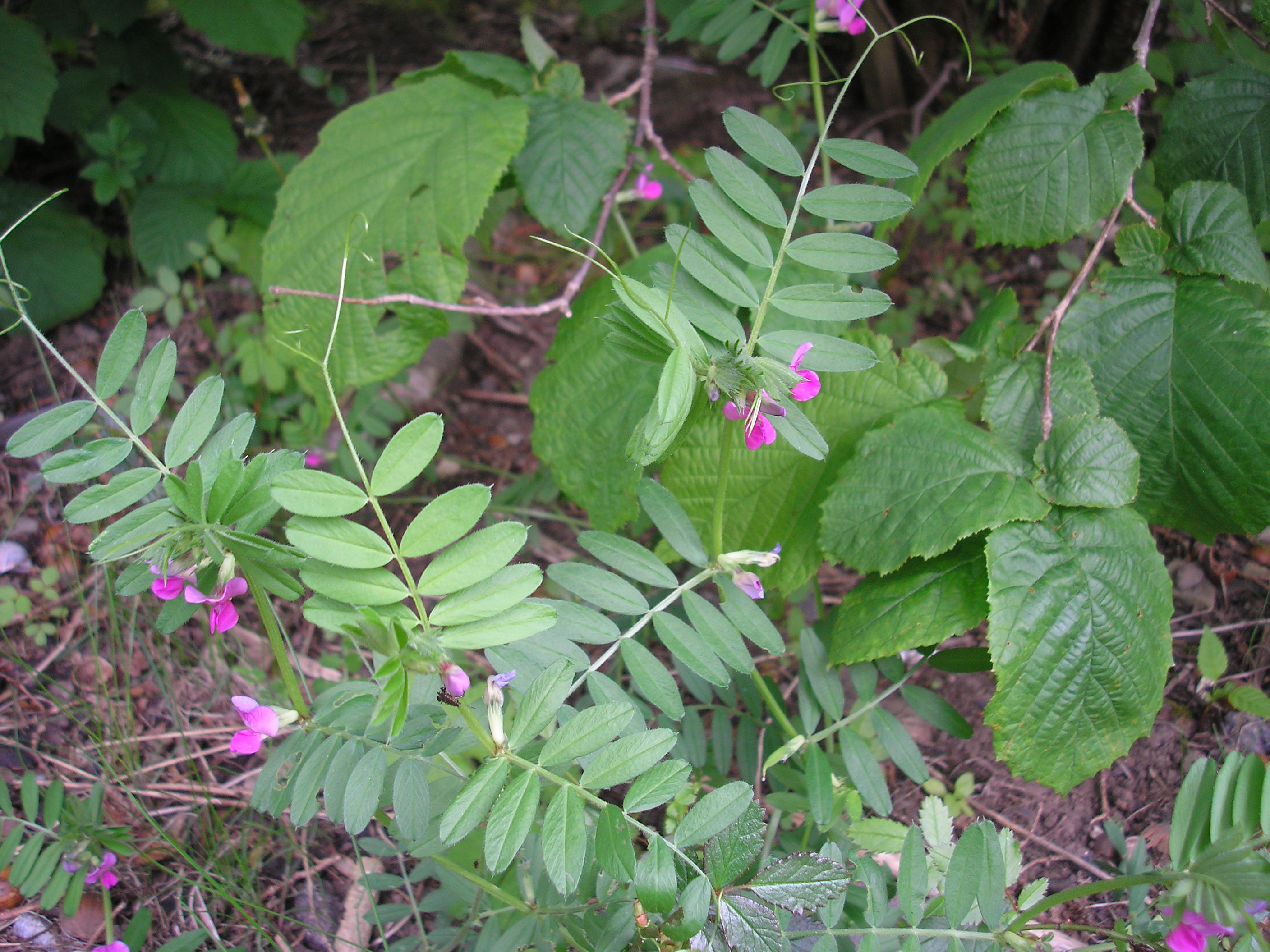
One of the fun aspects of working as a volunteer on the Mayfields site is that you can never be sure what you will find among the diverse wild flower population.  On May 24 we spotted a white vetch (below), probably a white variant of bush vetch, competing happily among the much more abundant purple vetches, and Pam caught it nicely on Camera the next day.

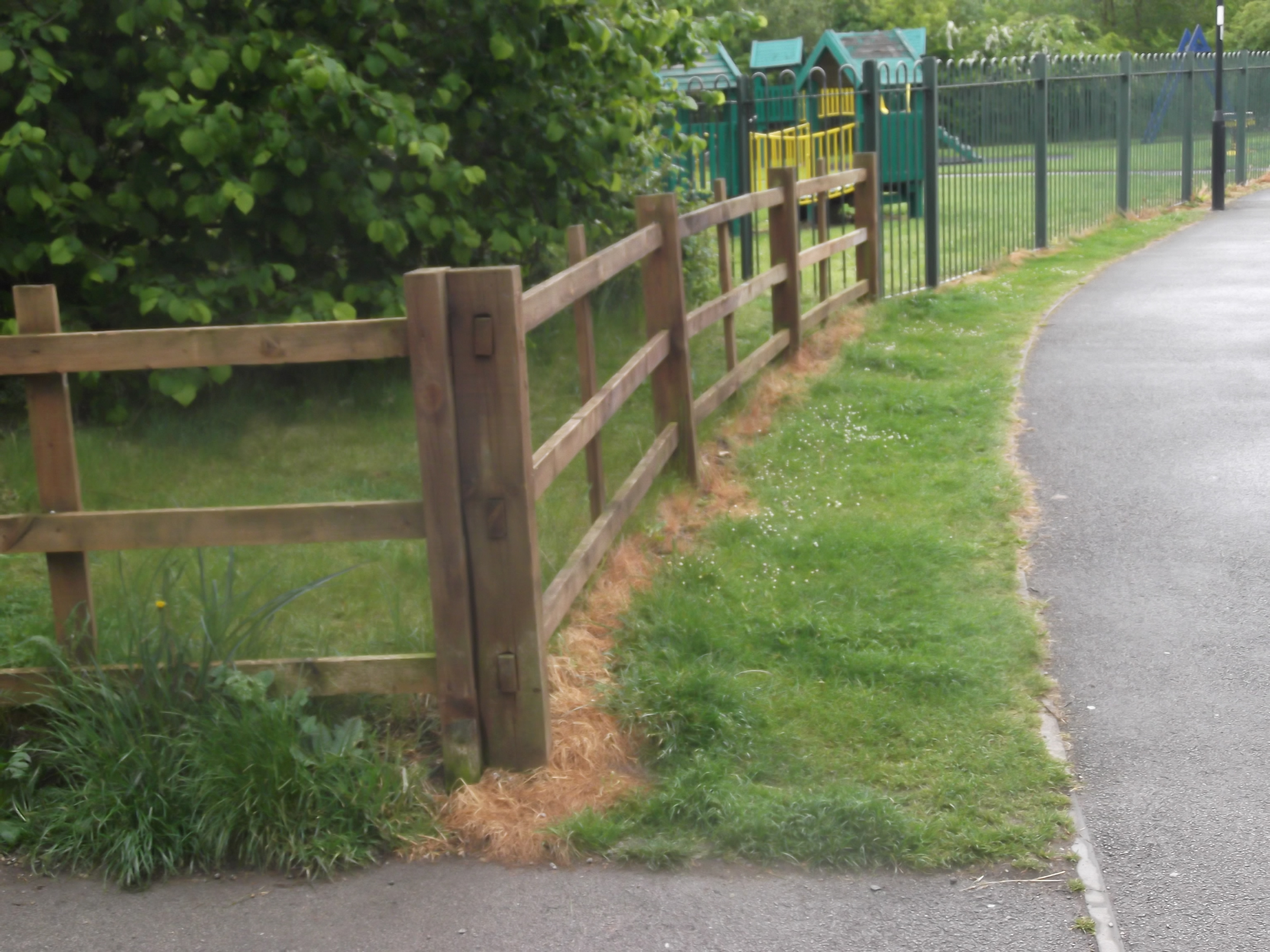
On Sunday 24th May Malcolm, Pam and Louise tidied area around the gate to make sure that the young Yew growing there would continue to have enough light, water and nutrients to thrive.  They left a large clump of Teasels , but moved some further back from the gate area.  They also hand weeded the grass encroaching on the path to minimize mud build up.  We were disappointed to see that CYC workmen had used weed killer under the fence although it was unnecessary as MCT volunteers regularly mow along the fence line and strim up to the posts where the mower can’t reach.  We think that is worth the effort as it’s much more attractive and environmentally friendly. Improved area beside the gate, May 2015  Path after partial hand weeding.

Unnecessary use of weed killer along fence line.

Unnecessary use of weed killer along fence line.

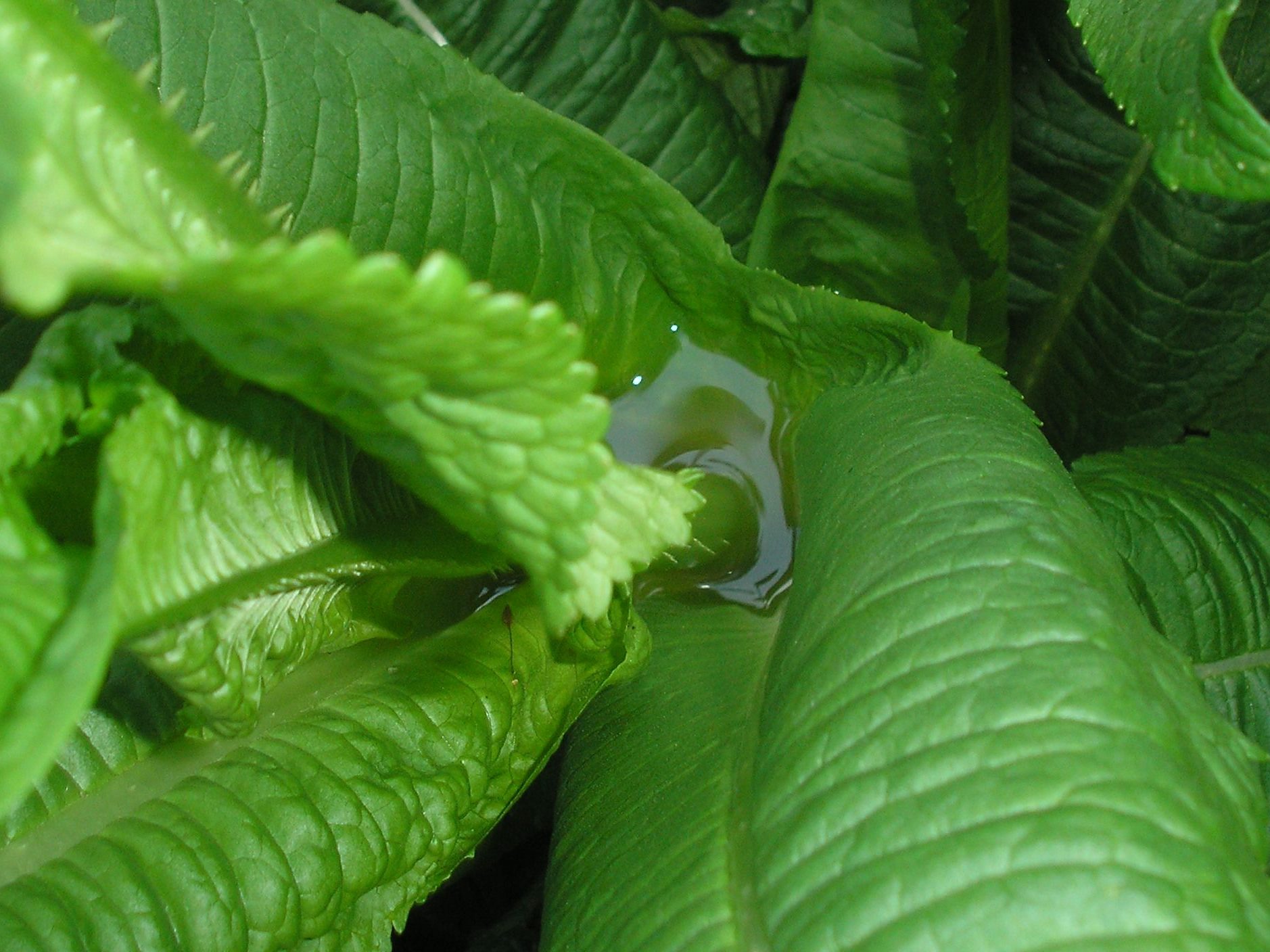
Teasels are one of the many diverse wild flowers that may be found on the Mayfields site, mainly beside playground and near the gate.  They trap rain water, as Pam’s photo below shows, and sometimes small insects; there has been much debate as to whether they are insectiverous. Back in 2011 Shaw and Shackleton showed (in an open-access paper published in PLOS 1) that there were no significant treatment effects on plant mass when they added dead dipteran larvae to leaf bases.  However, there was a 30% increase in seed production and in the the seed mass:plant mass ratio, giving a distinct possible reproductive advantage.

Water collection by Teasel leaves.

Water collection by Teasel leaves.

The warmish weather and occasional rain showers over preceding days meant that MCT volunteers, some of whom are shown in the photos below, were kept very busy improving the general appearance and growth conditions just North of Nelsons Lane at their Thursday evening volunteer session.  For once we managed to catch Pam Brown, our photographer and a loyal management volunteer, on the lens side of her camera while working with Harriet Thompson.

OLYMPUS DIGITAL CAMERA  

From the other side of her lens Pam took some shots showing progress of the Kew Grow Wild reseeded patches. We’ve included one below to see how good you are at wild flower seedling recognition. Wild flower seedlings on May 22, 2015It’s starting to get a little bit more of a possibility 2 weeks further on than our earlier photograph!! Inspired about MCT aspirations after a week admiring wild flowers, and especially bluebell woods, in western Cornwall, a wander round the Mayfields site shows we still have a lot of scope for improvement.  Mind Pam’s photo of a clump of the TCV English bluebells that MCT planted last Autumn shows our efforts were starting to pay off by May 22, 2015.

OLYMPUS DIGITAL CAMERA

There are more wild flowers to see every day now in the 3rd week of May.  The vetches and salad burnett particularly are starting to look good now, especially behind the W bund. OLYMPUS DIGITAL CAMERA DSCF1196

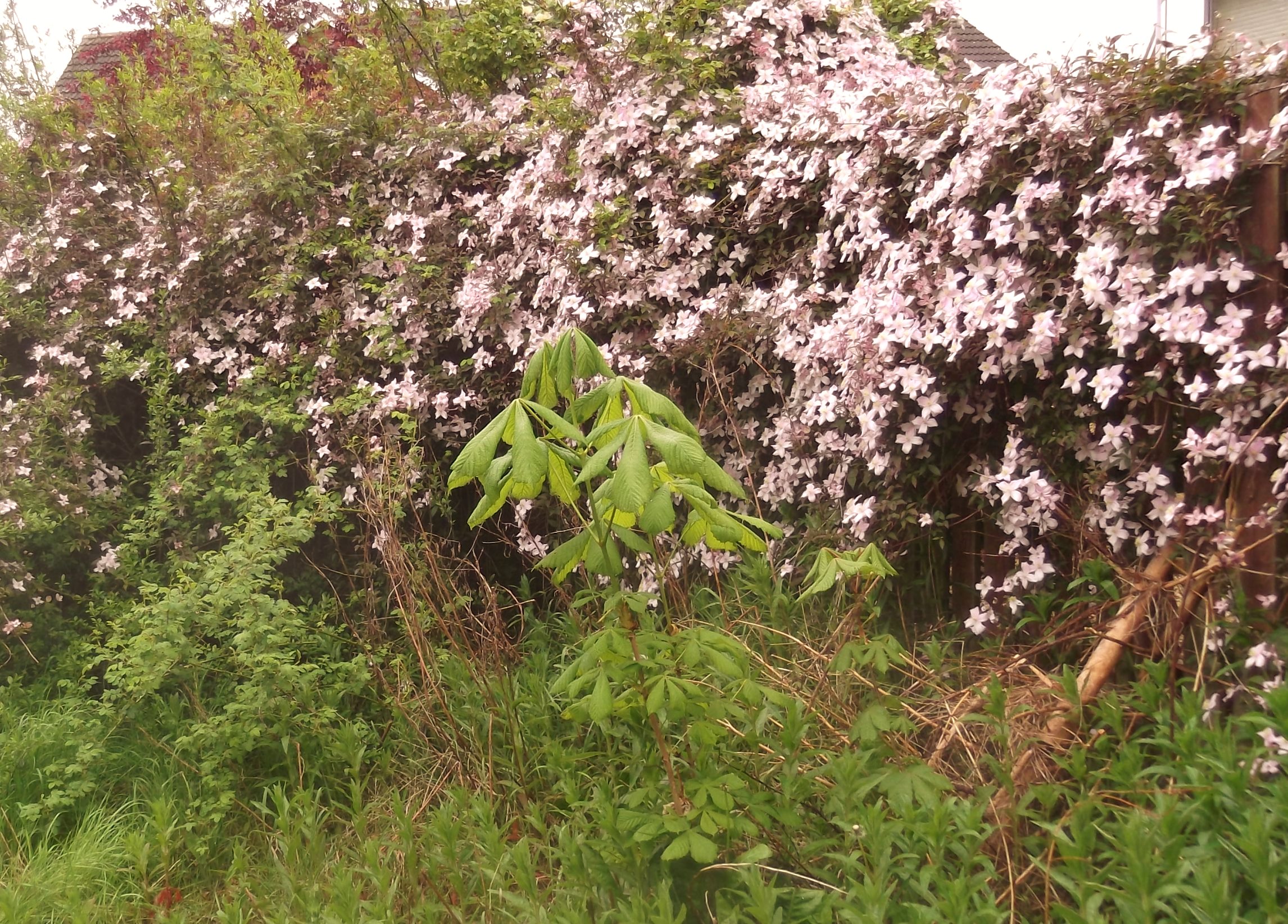
At the back of the bund you can also see examples of where MCT has been pollarding crack willows in the interests of future management and longer-term safety.  On other willows some attractive flowers may be seen in places. DSCF1193 DSCF1197 It’s inevitable that from time to time garden escapees will appear on the site. Where these are just poking through fences to search for the sun all we can do is stand back and admire, as for the beautiful clematis below.  They are good for local wild life. DSCF1194 Note though the young self-sown Chestnut tree.  It will probably be retained somewhere on the site, but its present position is far from ideal for the adjacent resident in the longer term. To the casual observer the image below may not be the most exciting on our web site!! However it shows that, after 9 days of our careful daily watering regime, our Kew “Grow Wild” seeds are starting to germinate on the patches of soil added by MCT after grassy tussock removal.  If not washed away by the monsoon that followed this bodes well for summer colour.

Seeds 3rd May 2015

As Spring marches on there starts to be a lot more to see at Mayfields.  The cowslips at the south end of the meadow were particularly showy on May 1st.

Cowslip May 2_2015

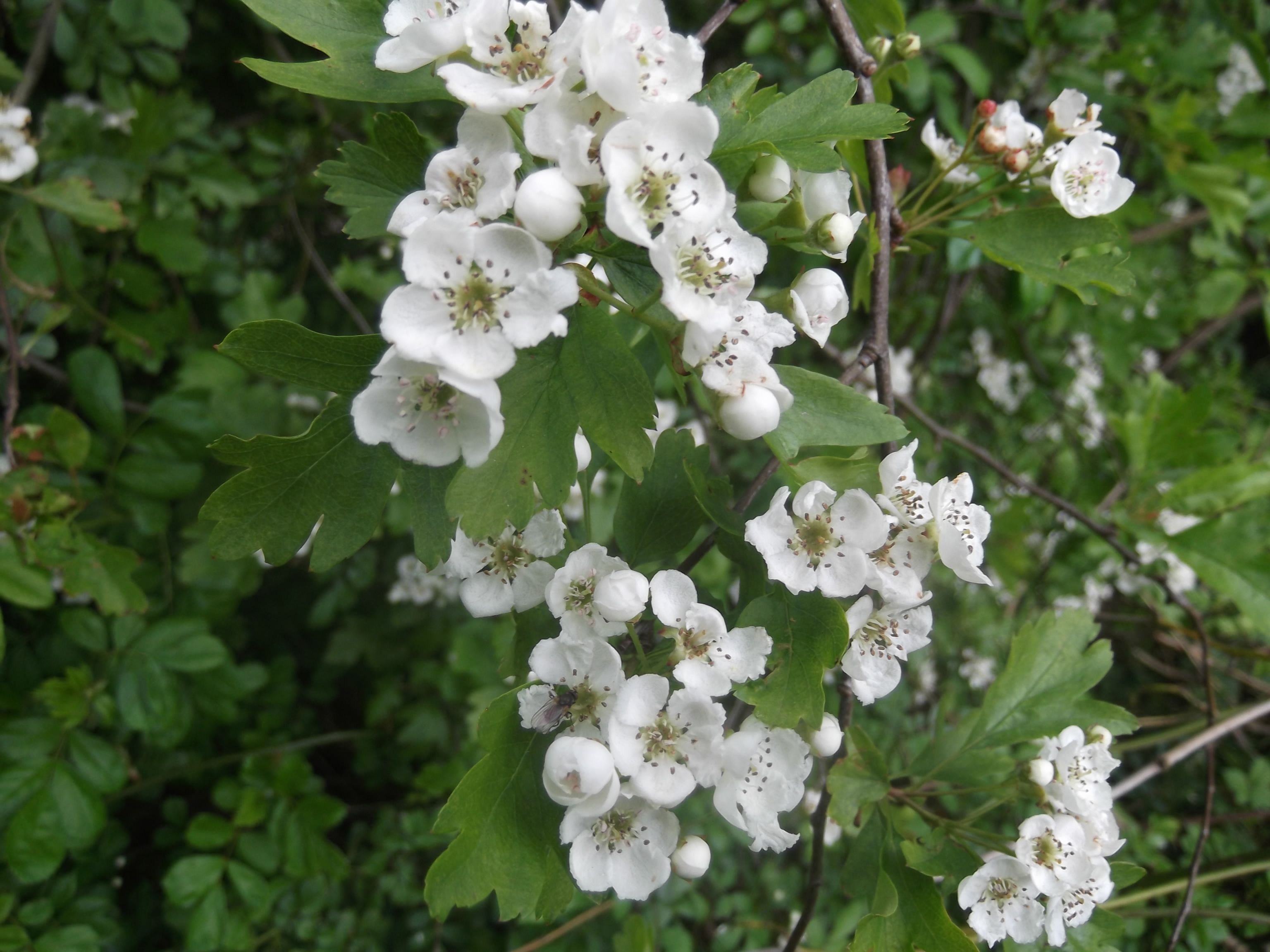
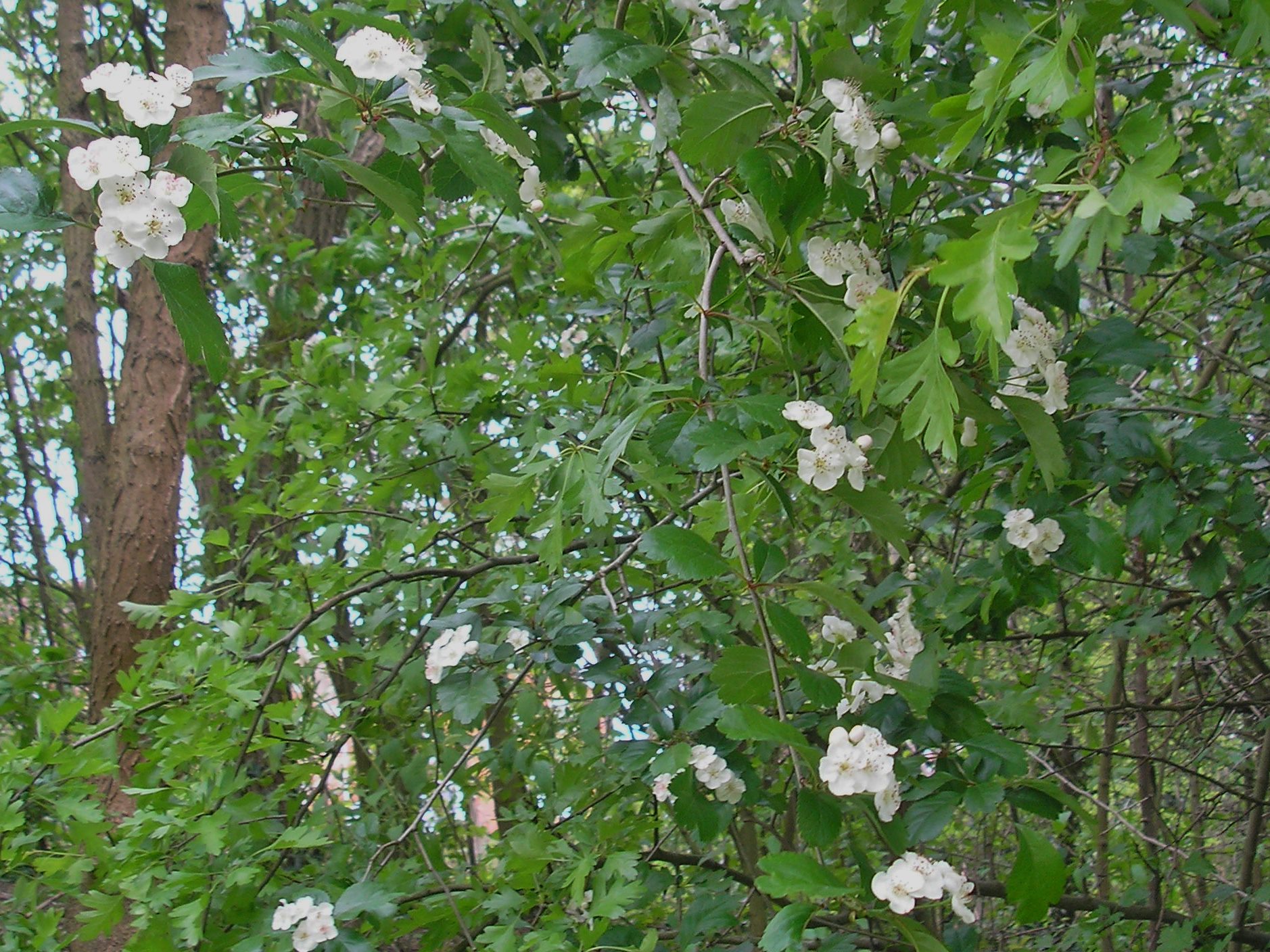
The blackthorns have turned from flower to leaf but two hawthorns were already blossoming on May 1st at the north end either side of the path.  One in particular has a slightly modified leaf shape, suggesting genetic variation compared to the other – there are small flower differences too.  Most are not yet flowering.  The smaller number of lobes on the foliage suggests that the one shown on the left below is either a midland hawthorn or a hybrid of midland and common hawthorn.

May 2nd Nend Wbund2015 May2_N end E bund 2015     OLYMPUS DIGITAL CAMERA

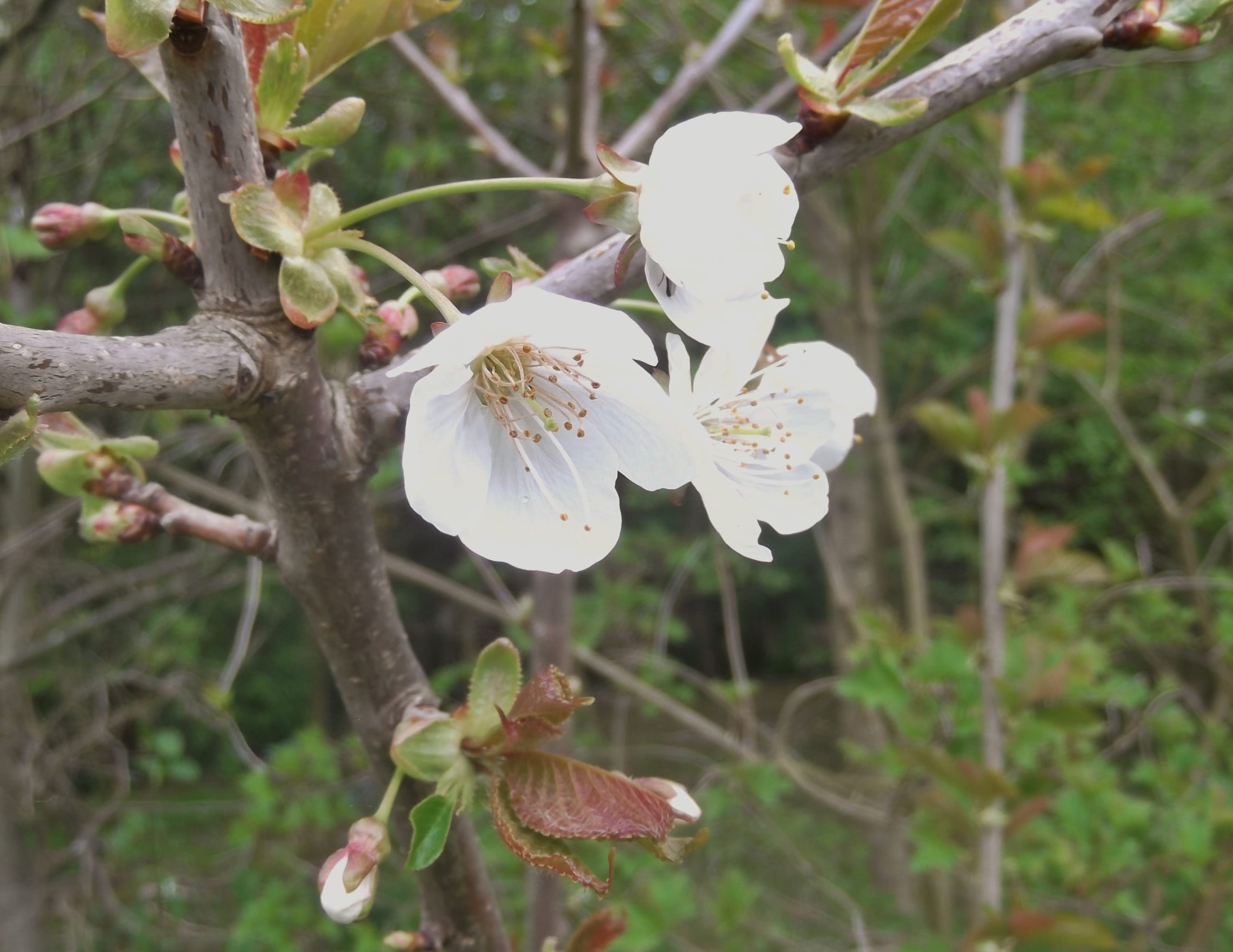
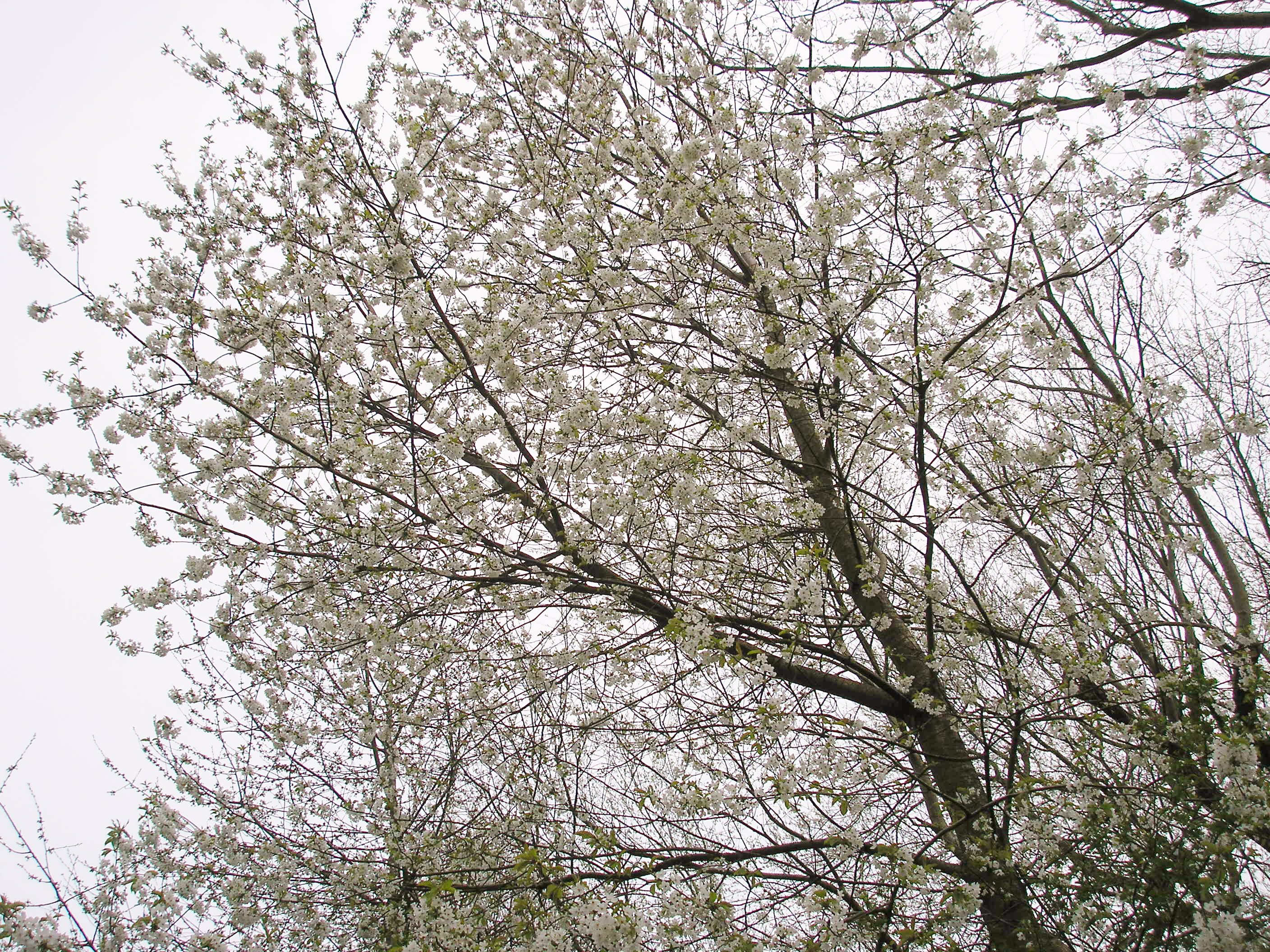
The cherries have almost finished flowering now, but you might catch some blossom at the N end of the west bund (as on the left below).  There are a few cherry tree saplings there that were hidden under the brambles that MCT has now trimmed back to safely pollard a crack willow; we suspect they are from cherry stones deposited by a passing human a few years back.  Dave Moore and Malcolm   spotted a young apple tree in flower on the W bund last Thursday, almost certainly from a pip in a discarded apple core. DSCF1170  Jack under the Hedghe Garlic Mustard May 1st 2015

Apart from the bluebells and celandine that started to flower in April and are still flowering through early May, the Garlic Mustard (or Jack under the Hedge, above right) is looking attractive in patches beside the path.

MCT Activities in March & April 2015

Harriet, Claire, Margaret, Pam, Louise and Malcolm bravely attacked the brambles in the spring sunshine at the end of April to rescue an attractive buddleia from being choked behind the west bund.  It’s not strictly native, but excellent for attracting butterflies, especially with nearby nettles for their caterpillars, so we are leaving three of them.

OLYMPUS DIGITAL CAMERA

We’re not removing all the brambles, by the way; just reducing the size of the really over-grown patches with too much unsightly dead material and/or branches invading gardens adjacent to the site.

Though not working at the Nelsons Lane end near the gate on this occasion, we couldn’t resist adding a photo of the beautiful English bluebells that are re-emerging in that area.  They were planted by MCT in autumn 2013.

OLYMPUS DIGITAL CAMERA

MCT does it’s best to make sure any species added to the site to improve biodiversity and habitat are native and of local provenance.  However it can’t keep out all alien species such as the predatory Harlequin ladybirds as seen in Dave Moore’s photo below.

Ladybirds April 2015

Meadow progress As mentioned earlier, over recent days we replaced many oversized clumps of grass with fresh soil to support wild flower seed planting.  We used wild flower seeds from the Kew Gardens Grow Wild campaign, but in a slightly different way from what they planned to be minimally obtrusive and leave the meadow suitable for exercising dogs. Seven volunteers worked on this at our regular Sunday session, as Pam’s photos show. We had more fun the following Thursday when 3 of our junior volunteers, Olivia and Lucy Brown and Florence Pearson, came out with their mums to help. OLYMPUS DIGITAL CAMERA OLYMPUS DIGITAL CAMERA OLYMPUS DIGITAL CAMERA OLYMPUS DIGITAL CAMERA

OLYMPUS DIGITAL CAMERA  OLYMPUS DIGITAL CAMERA  OLYMPUS DIGITAL CAMERA  DSCF1164

Louise and Malcolm watered the re-seeded patches each evening (where’s the rain when you want it?).

You really start to feel spring is here when the first bluebell flowers on the site and the cherries look so magnificent just north of Nelsons lane.  Downside is the need for more mowing of the grass to keep pace with CYC workers (thanks to Pam for the photos)!

OLYMPUS DIGITAL CAMERA   OLYMPUS DIGITAL CAMERA

OLYMPUS DIGITAL CAMERA

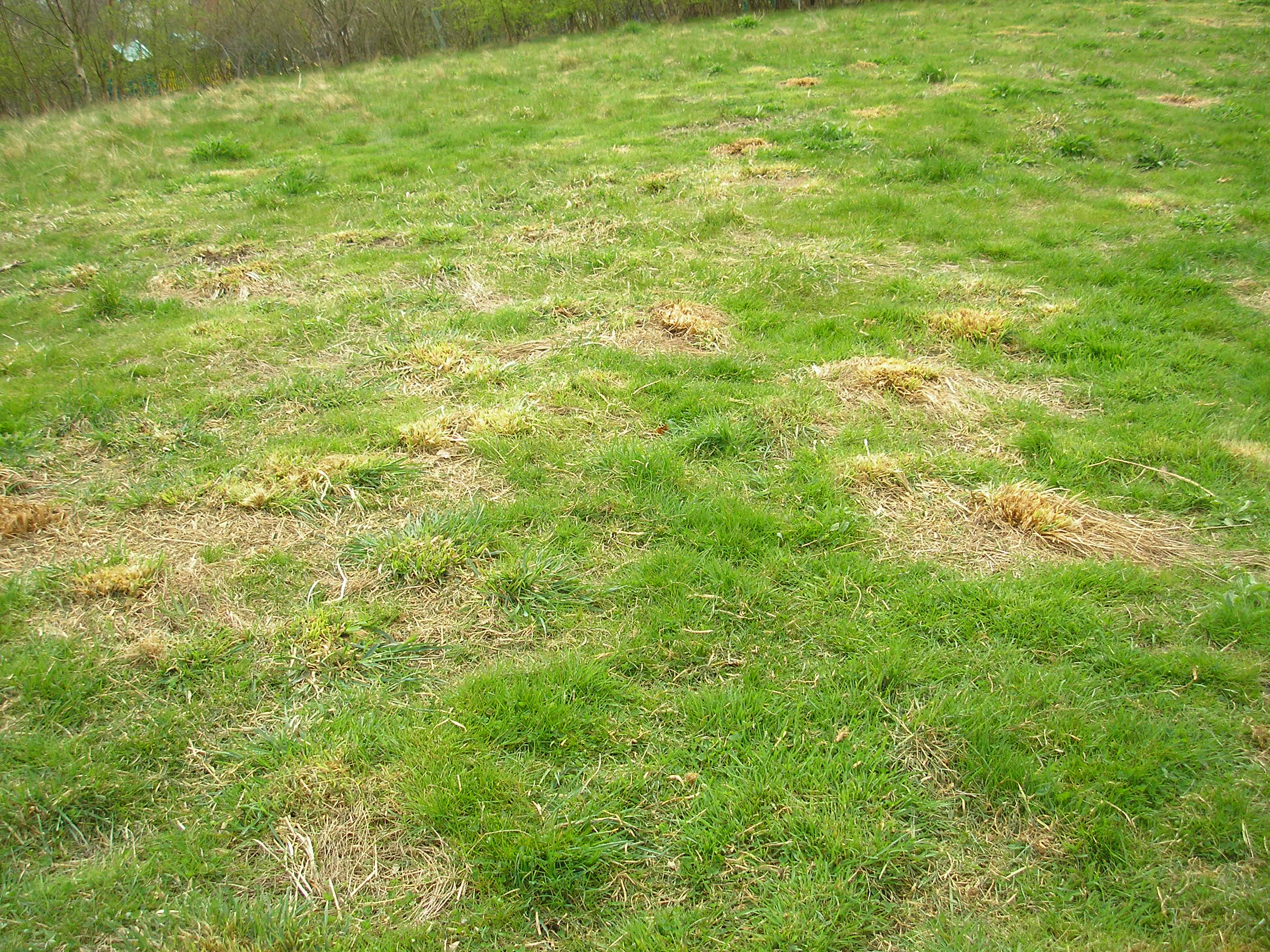
What’s happening on the meadow just now? Restoring the wild flower meadow is a challenge.  Since first planted >15 years ago, a vigorous perennial clump-forming grass started to dominate, out-competing the wild flowers.  This was helped by atmospheric pollution with ammonium and nitrate in York, which adds about 25 kg of nitrogen “fertilizer” per 100-metre square every year.  The grass was the main beneficiary!

OLYMPUS DIGITAL CAMERA

MCT has been removing grass selectively by mowing around remaining wild flowers several times when possible or with sheers to reduce the soil nitrogen status – much N goes off site with the harvested grass.  This provides a better environment for the wild flowers wanted.  You can see below where we have been cutting clumps of grass this week.

OLYMPUS DIGITAL CAMERA

 We had 13 helpers at our volunteer session on Sunday 12th April to help us erect the second information board.  It’s been installed near the Little Hob Moor end, near the pretty flowering blackthorn just west of the path. Pam caught 11 of them in her photo below.  Many thanks again to the CYC Dringhouses & Woodthorpe Ward Committee for providing most of the funding needed. OLYMPUS DIGITAL CAMERA

OLYMPUS DIGITAL CAMERA

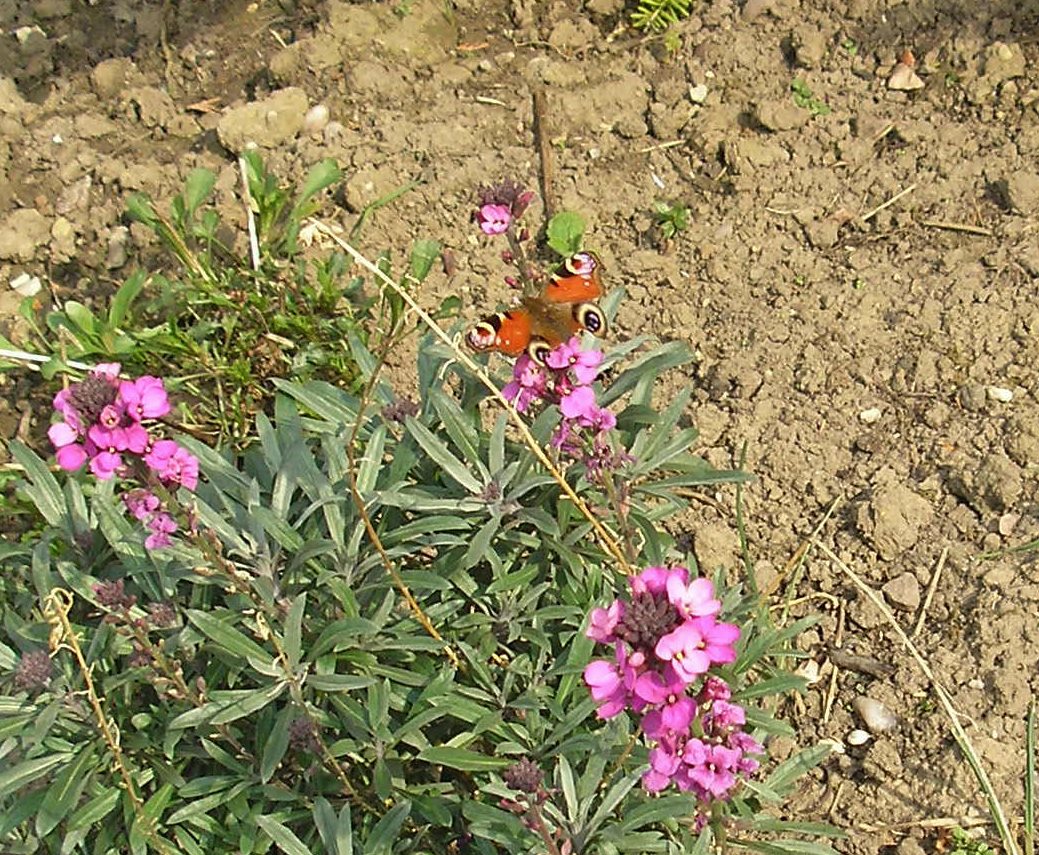
Butterflies seem to be around the Mayfields site already in the first week of April after the mild winter and spring.  Pam caught these images of a Comma and Peacock in an adjacent garden.

OLYMPUS DIGITAL CAMERA  OLYMPUS DIGITAL CAMERA

We had a  splendid turn out of volunteers on Easter Sunday morning to enjoy the warmer weather.  The blackthorns too were flowering in response to the mild weather.

OLYMPUS DIGITAL CAMERA

OLYMPUS DIGITAL CAMERA

The forget-me-nots on the site make and excellent wild flower for April.  A clump appeared just behind where we have started to make the holes for the second information board kindly funded by the Dringhouses & Woodthorpe Ward Committee. OLYMPUS DIGITAL CAMERA OLYMPUS DIGITAL CAMERA Kew gardens have a scheme on at the moment to encourage groups to establish areas of native wildflowers.  It’s well worth looking at their web site for the beautiful photos (https://www.growwilduk.com/england-and-wales-wild-flower-seed-mix). Seven turned out to help at MCT’s contribution to York’s Big Spring Clean (despite the light intermittent drizzle).  It was particularly a pleasure to welcome Claire and Harriet to their first volunteer session.  Our reward for penetrating the wood to access a particularly stubborn crisp packet was to stumble upon a beautiful wild violet in full flower.

DSCF1145

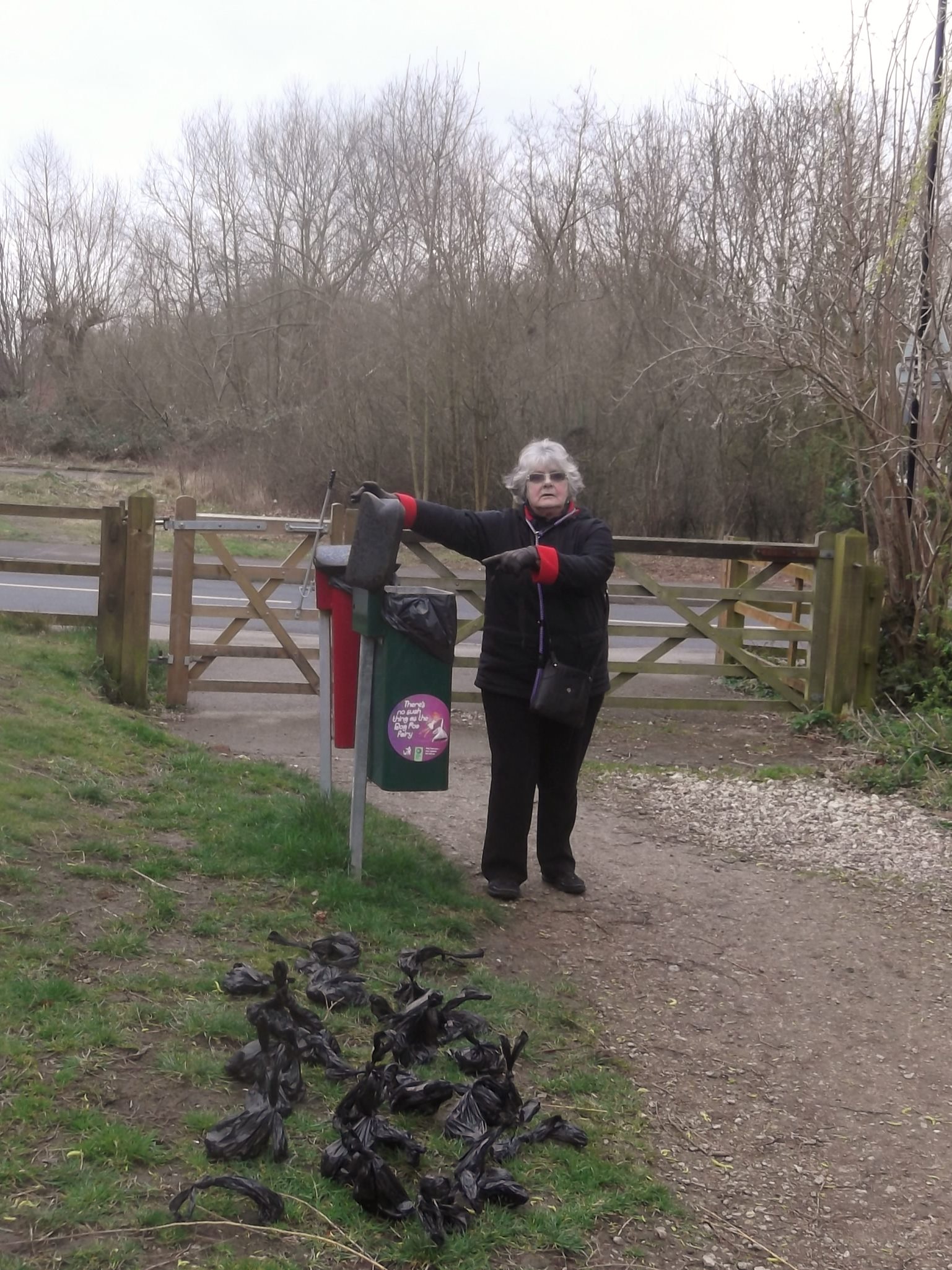
Several bags of litter were collected and taken off site, wood for recycling.  Though not part of the official aims of the Big Spring Clean, dog excrement was also carefully collected and deposited in the appropriate bins. We’re very grateful to the MCT Chair for volunteering for this unpleasant activity.

OLYMPUS DIGITAL CAMERA DSCF1143

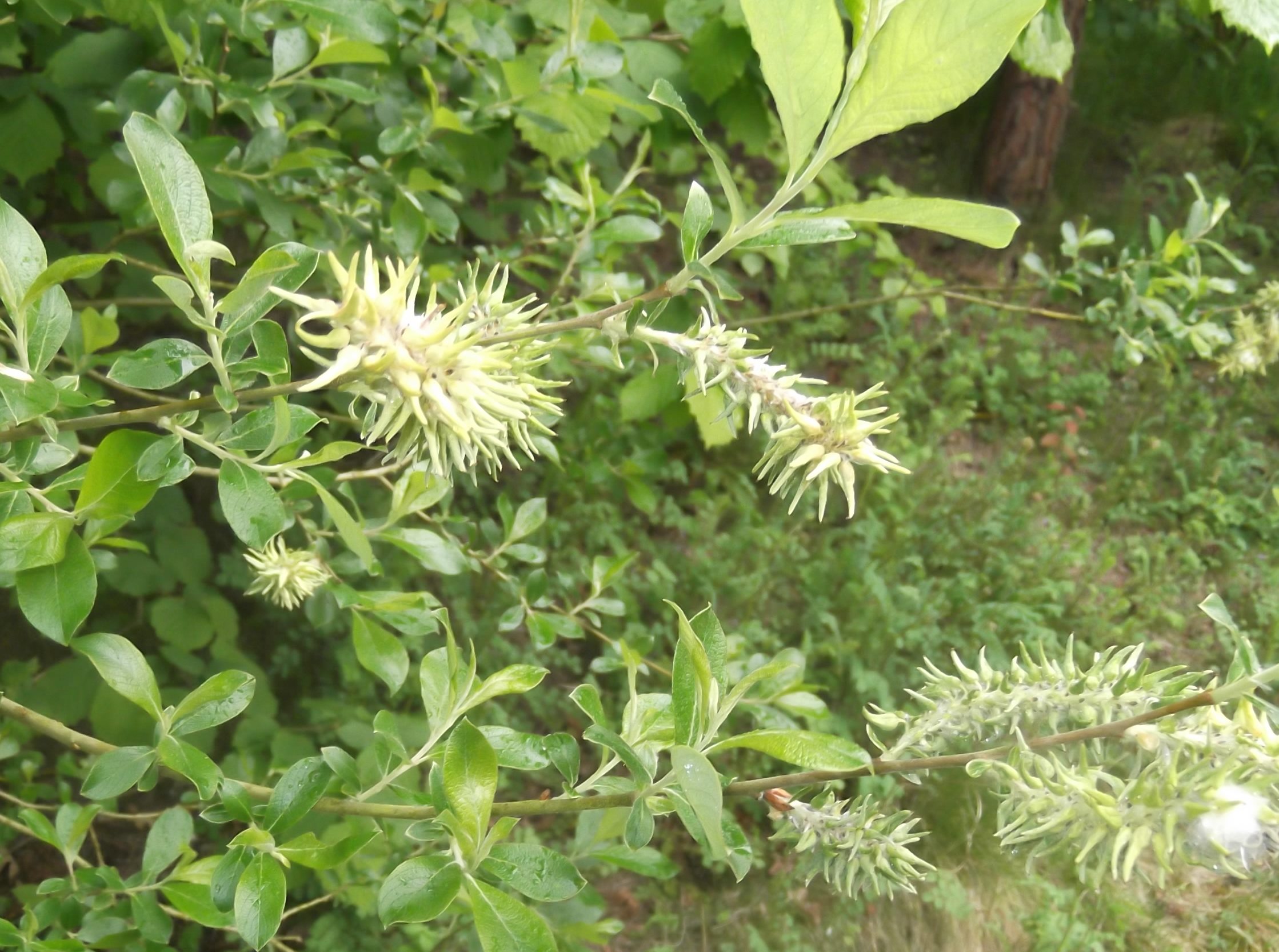
It’s lovely to see more signs of spring every week now.  Pam Brown provided us with a couple of attractive examples.  The flowering currant is almost certainly a self-sown seedling.  The other is the flower of a male Goat Willow. OLYMPUS DIGITAL CAMERA  OLYMPUS DIGITAL CAMERA After planting 900 English Bluebells you tend to notice when they start to come through in spring.  Sadly cyclists and some walkers and dog walkers, blissfully unaware of their presence, had created an unofficial short cut from the N end of the west bund to Little Hob Moor, heading on towards the railway underpass.  It only saves them about 5 yards compared with the official path but had resulted in heavy trampling on the bluebells.

OLYMPUS DIGITAL CAMERA  OLYMPUS DIGITAL CAMERA

Bluebells on March 18th (left) and March 27th (clumps not yet trampled). 

MCT has temporarily extended the log-pile barrier at the end of the bund to discourage use of this unofficial short cut.

DSCF1140

Lesley Abbott had done a great job over March in starting to trim back the brambles that had been choking potentially attractive trees at the north end of the west bund.  This encouraged Dave Moore and Malcolm and Louise to trim even more, to rescue a number of trees, especially small healthy hawthorns, in the area.  These have now been protected with tree guards as shown below in before and after photos.  We plan to add woodland margin plants such as native primroses on the bank and control the brambles more in future.

 OLYMPUS DIGITAL CAMERA Louise&Dave

Those who use this end of the site may be aware that it is possible now to walk up slope from the path into the woodland if you’re careful, as Pam’s photo below shows. OLYMPUS DIGITAL CAMERA If you look carefully you can see a very healthy oak just left of centre, doing much better since MCT removed a very large overhanging crack willow branch last year.  Further back and towards the right you can see new shoots on a smaller willow MCT pollarded last year too. On  Sunday 22nd March 8 MCT volunteers tidied and mowed the grassy area of Highways land alongside the Nelsons Lane Fence, and trimmed back the overgrown brambles at the N.W. corner of the site.  We had welcome help this week from Laura and Adam who were visiting from Newcastle.  Adam’s mum Janet does similar workin Glasgow

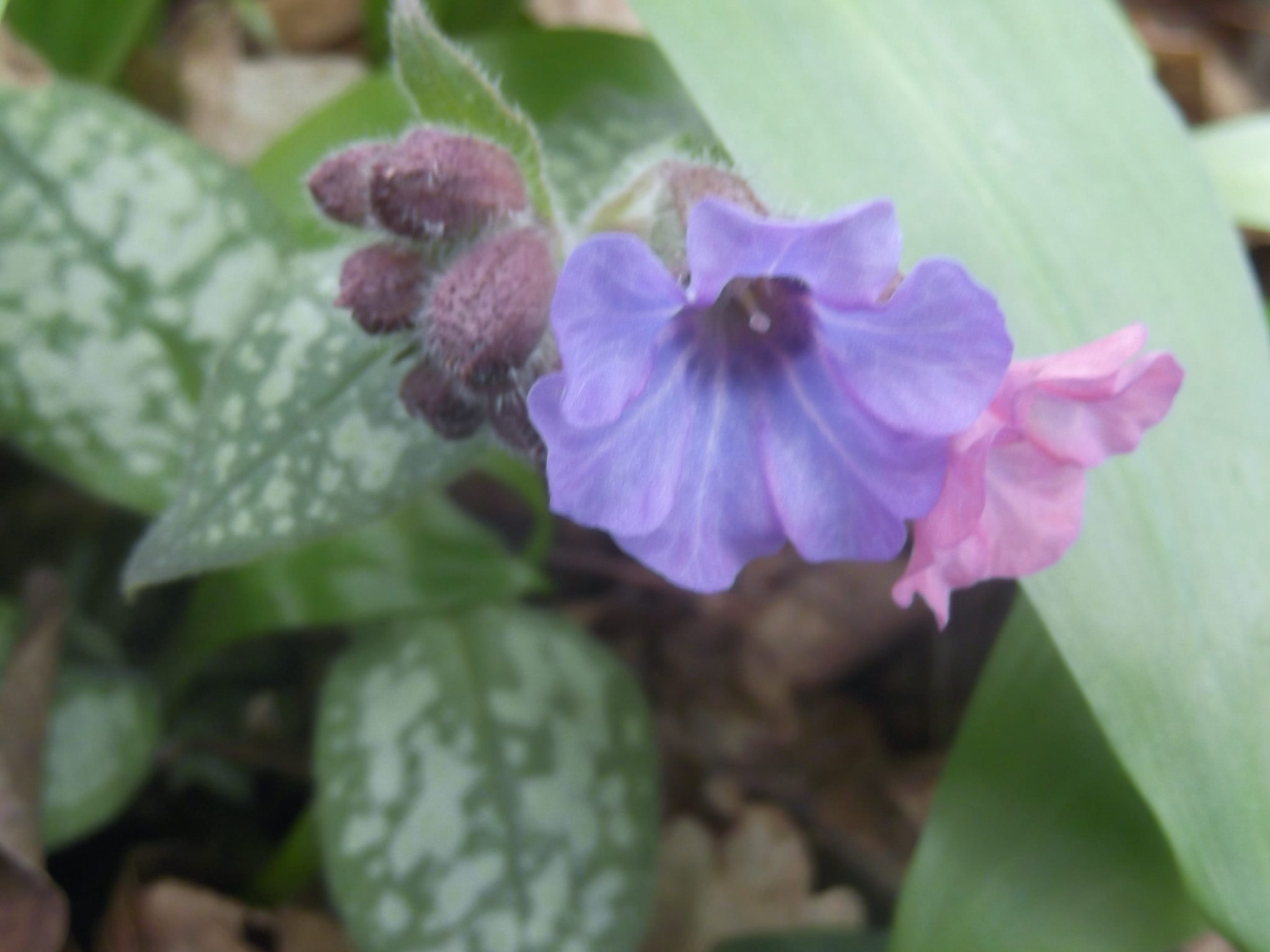
OLYMPUS DIGITAL CAMERA  OLYMPUS DIGITAL CAMERA There’s still not a lot in flower in the third week of March at Mayfields, but we felt that these beautiful pulmonaria towards the rear of the east bund deserved space on the web site.

Pulmonaria March 2015

Six MCT volunteers tackled the overgrown patch of brambles, nettles and docks that was encroaching onto the east side of the path at the Little Hob Moor end on March 15th. OLYMPUS DIGITAL CAMERA   OLYMPUS DIGITAL CAMERA

This was to improve the general appearance of the landscape and provide better growing conditions for desired tree species such as oaks and shrubs.  However for one oak (see below) it was too late as previous failure to remove an inappropriate tree guard had resulted in a build up of humus, snails and insects that had caused disease to spread half way through the young tree trunk.

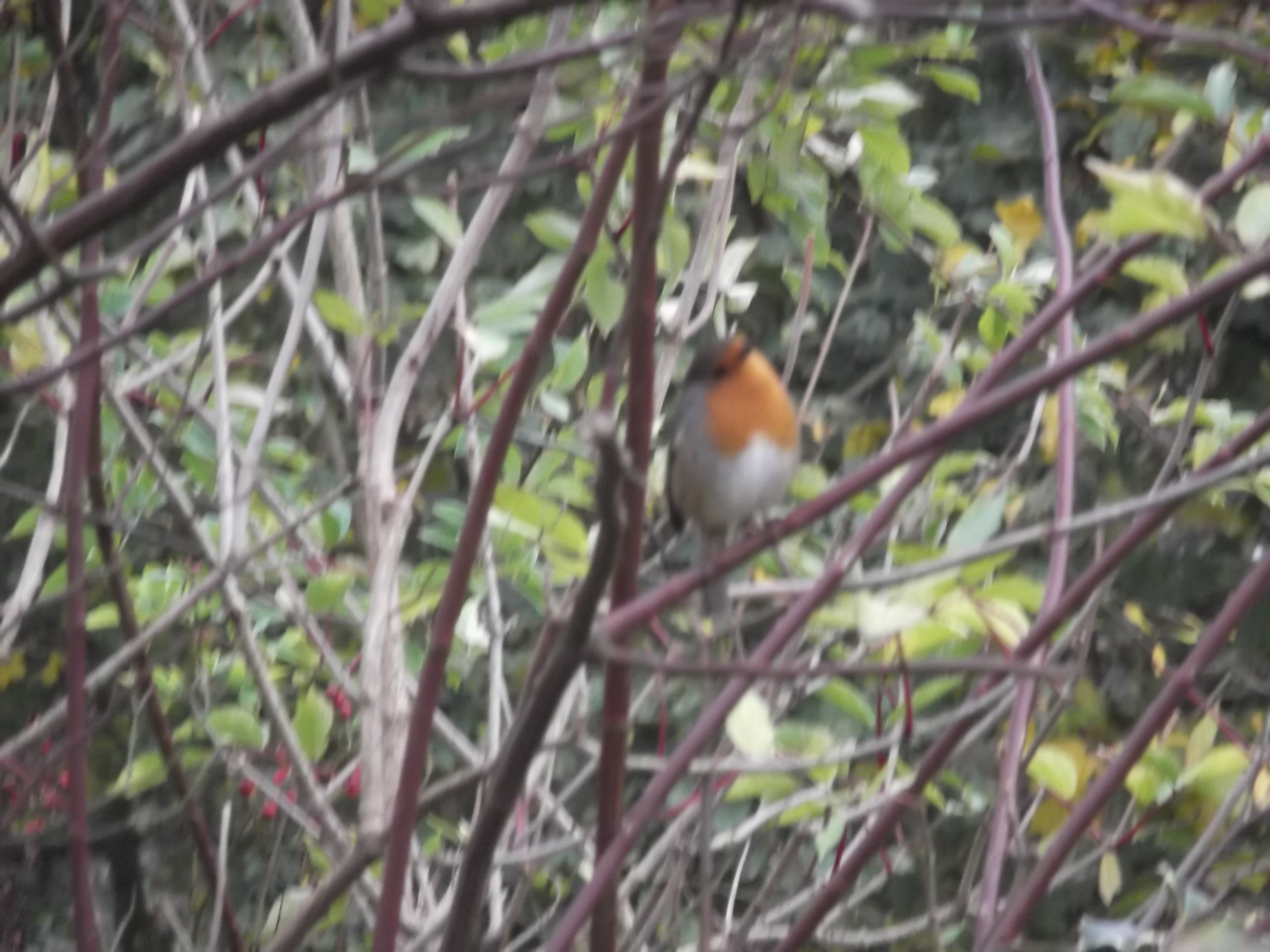
OLYMPUS DIGITAL CAMERA    OLYMPUS DIGITAL CAMERA OLYMPUS DIGITAL CAMERA     OLYMPUS DIGITAL CAMERA  The trimmed material was cut up for composting as usual. Dog excrement remains a problem on the site because of a small handful of thoughtless dog owners.  On Saturday March 14th the field work co-ordinator gathered up 29 bags of excrement in 45 minutes.  A consolation was the beautiful bird song on the site all morning (and the thought that it will be a bit less unpleasant when we start mowing path verges!). Eight turned out again on March 8th to blitz the path at the Little Hob Moor end, clearing the twiggy litter following recent windy weather (and some human litter!).  They were joined by one of the site’s several robins on the look out for potential food.  It provided some pleasant musical accompaniment.  While there, Pam photographed a patch of snowdrops to provide a flower-of-the -month for March. OLYMPUS DIGITAL CAMERA  OLYMPUS DIGITAL CAMERA OLYMPUS DIGITAL CAMERA OLYMPUS DIGITAL CAMERA  DSCF1031

OLYMPUS DIGITAL CAMERA

Our Sunday Morning Volunteer session on March 1st got off to a good start, with 8 willing helpers enjoying a sunny break between showers, so we all stayed dry (even if a little wind-swept!).  It allowed us to almost finish turning the overgrown area west of the playground into a more appropriate and attractive woodland area.  It should now have sufficient spacing to maintain the remaining trees in a healthier condition and develop an attractive ground flora. MCT presented a display about its work at the Dringhouses and Woodthorpe Residents’ Forum Meeting at St Edward the Confessor’s Church, Tadcaster Road, York, on Thursday 5th March 2015.  The exhibit included a video about the progress MCT has made since it took over managing the site.

MCT Activities in January & February 2015

MCT is keen to encourage wild-life diversity on the Mayfields site.  At the end of February we were given 4 young native Buckthorn alder trees from the Yorkshire branch of Butterfly Conservation by Mark Tyszka of Friends of Hob Moor.  The field work co-ordinator has planted these temporarily in 10-litre pots of compost to help them develop healthy root systems.  They will be planted out on the site at suitable points later in the year, along with their supporting stakes and transparent protective tubes. The leaves should encourage breeding of Brimstone butterflies.

DSCF1121 DSCF1123

Our 6  volunteers on February 22nd were cool but stayed dry at our regular Sunday morning session.  We tackled trimming the roses beside the gate that have been rambling into the children’s playground over the past year and choking a couple of adjacent trees, including a nice young silver birch.  Malcolm and Dave Moore trimmed more of these on the following Wednesday afternoon, but there are still more that need attention.

OLYMPUS DIGITAL CAMERA OLYMPUS DIGITAL CAMERA

OLYMPUS DIGITAL CAMERA

Temporarily the area looks a little bare as Pam’s photos show, but Spring’s not far away as some of the English bluebells MCT planted last year are already starting to re-emerge there.

Turnout at our Sunday Volunteer session on February 15th was excellent (at 8).  As Pam’s shots below  show, on the warmest day to date they enjoyed trimming back the massively overgrown  rambling roses that were starting to damage other trees west of the path.

 OLYMPUS DIGITAL CAMERA OLYMPUS DIGITAL CAMERA
  
 Four volunteers turned out to enjoy the glorious sunshine at our Sunday volunteer session on February 8th.  They spent time happily cutting up material cleared from the path and area just west of the path near the gate for composting.

We have been spared a lot of snow on the site so far in 2015, but Pam did manage to catch a light sprinkling on the path a couple of days ago.  It’s a useful image for showing all the twiggy material on the path that we have recently been clearing away.  If we didn’t do this at intervals it would soon get churned up by path users to form a muddy humus layer.

OLYMPUS DIGITAL CAMERA

Dave Moore, Mike Ridealgh and Malcolm did more pruning on an over-grown area west of the path near the gate on Wednesday 4th February.  They trimmed down the brambles and pruned a Guelder rose so that they could remove 2 dead Alders and 1 heavily leaning Alder to make more room (light, nutrients and water) for adjacent Scots Pine and Oak trees.  The Guelder rose and live Alder should regenerate rapidly as shrubs as it starts to warm up in spring.  Roses on that part of the site are already showing green shoots.  Malcolm went back the following day to clear the residue from the adjacent path.

MCT has just received its second information board from the Notice Board Company.  It will be similar to the one near Nelsons Lane, but at the Little Hob Moor end of the site and with extra information about the site ecology.  We are grateful to the Dringhouses and Woodthorpe Ward Committee  for covering most of the cost, to the Notice Board Company for a helpful discount to keep us within budget, and to local MCT supporters for help in covering installation costs.

Our regular field work volunteer days started again on 1st February.  Three volunteers enjoyed the winter sunshine to continue with pruning overgrown roses and composting the off-cut material.  This followed from the previous Wednesday afternoon when 4 MCT volunteers took advantage of a sunny break between showers (when the temperature soared to +3 degrees C!) to start pruning the severely overgrown roses by the path edge.

  OLYMPUS DIGITAL CAMERA  OLYMPUS DIGITAL CAMERA

Pam caught Dave and Malcolm (below) cutting up the pruned material ready for composting on site.

OLYMPUS DIGITAL CAMERA

Regular blog visitors may have noticed that we deleted out “New Year  Good Wishes” and “Seasons Greetings from MCT” cards to save space.  The down side of twelth night is that some locals still think it’s OK to dump their old Xmas tree on the Mayfields site rather than use the special dedicated Council green bin collection – the tree below was across the back path alongside two empty wine bottles!  On the positive side, this time last year we had to dispose of 3 such trees.

Xmas tree dumped 2015

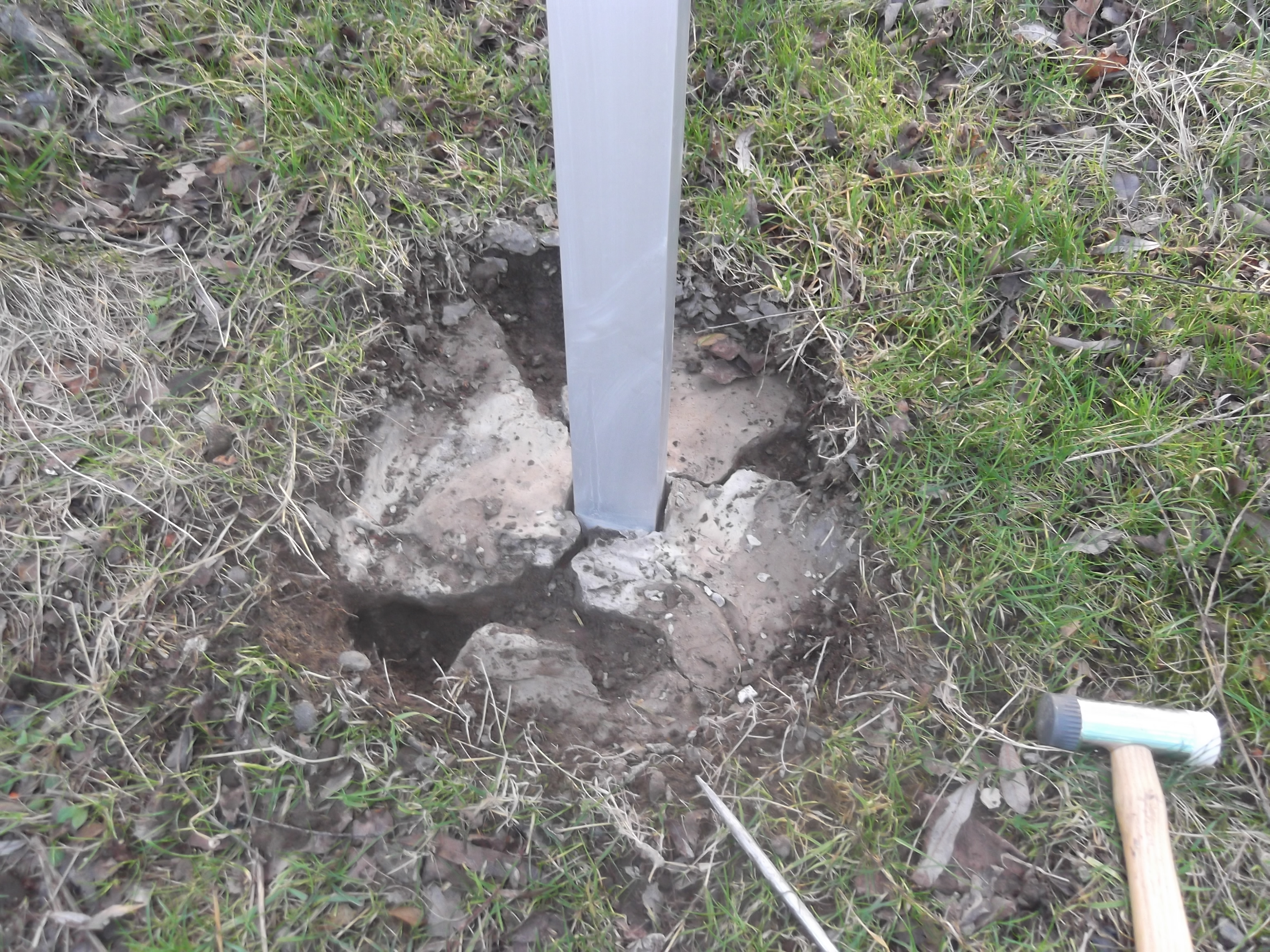
Meanwhile, when checking the site for damage possibly arising from the recent strong winds and/or heavy frosts, we noticed cracks at the surface of the concrete used to hold the information board in place.  Chipping away the surface showed these were not deep, so the loosened material was replaced by fresh concrete to minimize future water penetration and freeze/thaw damage.

 DSCF1108 DSCF1109 DSCF1110

The wind did bring down a substantial crack willow branch south of Nelsons Lane, but the Friends of the Railway Pond and Mayfields Reserve have done a good job there making sure risks to path users are negligible.

DSCF1113

We also noticed that a bolt and one of the springs had been taken from the gate post to prevent bit closing automatically as a safety measure.  We would be grateful to receive any information if anyone knows who removed it.

MCT November & December Activities

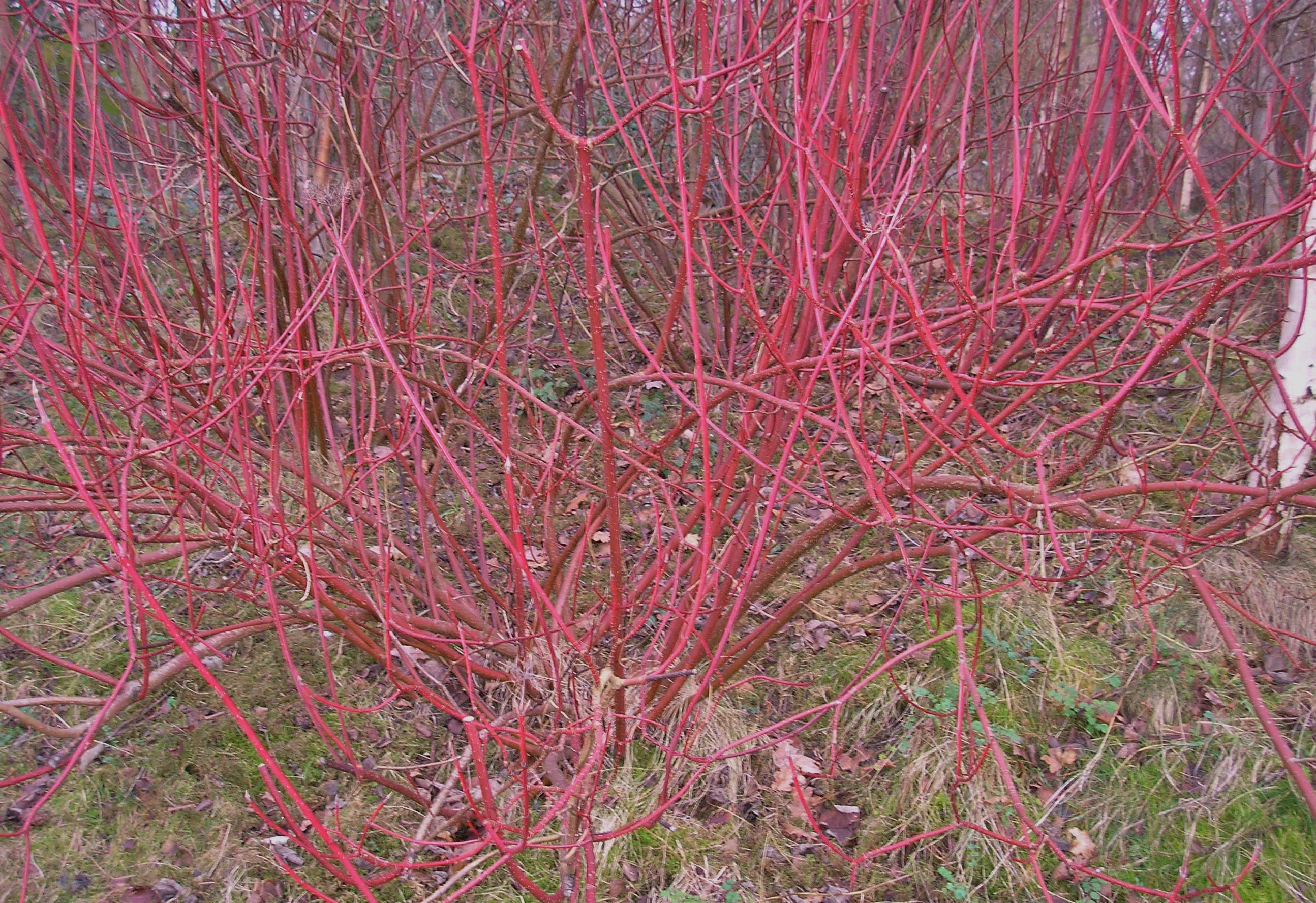
The Dogwoods really can look quite spectacular in the right light at this time of year on sunnier patches of Mayfields, as Pam’s seasonal photo below shows well.

OLYMPUS DIGITAL CAMERA

The more observant passing through the gate at Nelsons Lane may have noticed a small Yew tree beside the main gate (caught on camera below by Pam).  This is a self-sown seedling transplanted there almost a year ago now.  Yew is native, evergreen and slow growing, making it very suitable for that particular spot.

OLYMPUS DIGITAL CAMERA

We weren’t sure we’d find a wild flower of the month for December, but the tough little Red Campion just to the west of the gate was still blooming on December 12th under the shelter of the trees.

OLYMPUS DIGITAL CAMERA

Malcolm , Mike and Dave were grateful to John Wood for help with trimming back a grey willow on the first Wednesday afternoon session in December.  The tree in question had been planted right up against the boundary fence and was causing serious problems to the adjacent garden.  MCT is always happy to discuss issues like this with adjacent property owners.  The height has since been further reduced in small steps to avoid damage to the two adjacent fences to help with future management.

Our 8 MCT volunteers were blessed with glorious sunshine at 10 in the morning on the last Sunday of November, which made trimming some of the excessive growth of hazels and dogwoods and some dead rose branches beside the path an absolute pleasure at our last formal Sunday volunteer session of 2014.  Work over the rest of the year will continue on an informal basis though.  Thanks to Pam for the photo.

OLYMPUS DIGITAL CAMERA

Dull and  moist days in late November can be perfect for transplanting trees. The inclement weather did nothing to mar the pleasure of the group below who had just added an attractive pine to the Mayfields site.  The tree, which had outgrown its container, had been much loved since it was first seen as a tiny seedling more than a decade ago.

New home for pine

One of the many joys of working on Mayfields is that you never know quite what you will find hidden away in the meadow and woodland.  A shoot on one fascinating self-sown small tree that has made an appearance is shown below.  It’s not easy to identify with just a few lemon-yellow leaves left but the tree i.d. experts at Askham Bryan think it’s probably Malus Toringo, or Siebald’s Crab.  Although it’s not a native species, we feel an isolated specimen will add to the beauty, interest and educational value of the area.

DSCF1083Undeterred by light rain, Charlotte renewed her attack on the overgrown path (as in photo below left) at our Sunday morning volunteer session.  Her enjoyment when she finally broke through was clear for all to see (below right).

 OLYMPUS DIGITAL CAMERA   Charlotte's triumph

For once we managed to persuade Pam to go in front of the camera briefly for a celebratory photo before Paul and Lesley transported the off-cut material to the compost heap at the other end of the site (Pam takes most of the photos we put on the web site).

OLYMPUS DIGITAL CAMERA

After an hour of composting Wednesday’s trimmings from willows and a maple, Charlotte and Janet attacked the brambles and nettles behind the east bund like a couple of intrepid jungle explorers!  The five other volunteers at our 2-h Sunday volunteer session on September 16th cut up the material they removed ready for composting.  Weather permitting, we hope to join the two ends of the pathway behind the bund next Sunday, as in the management plan.

Mid November is a good time for improving tree architecture and/or making space for overcrowded more desirable trees.  The photos below show the first 3 stages of 4-stage removal of a field maple side growth on the west bund by Dave Moore.

 DSCF1071  DSCF1073 DSCF1074 Dave and Malcolm, the field work co-ordinator, have also been improving the crack willows east of the path to improve light levels and tree shape, to reduce litter-fall onto the path next year and to improve growth conditions for some other tree species.

  DSCF1077  DSCF1078

DSCF1079

A significant amount of dead wood was removed as lower branches.

It finally stopped raining at 4 O’clock on Saturday  8th November, so we were able to put a couple of posters for you all to look at in our newly installed information board. We hope you’ll like them.  We plan to alternate the poster by Dave Moore on tree identification at Mayfields with one on Wild Flowers photographed on the site over the past year.

OLYMPUS DIGITAL CAMERAIn position 1

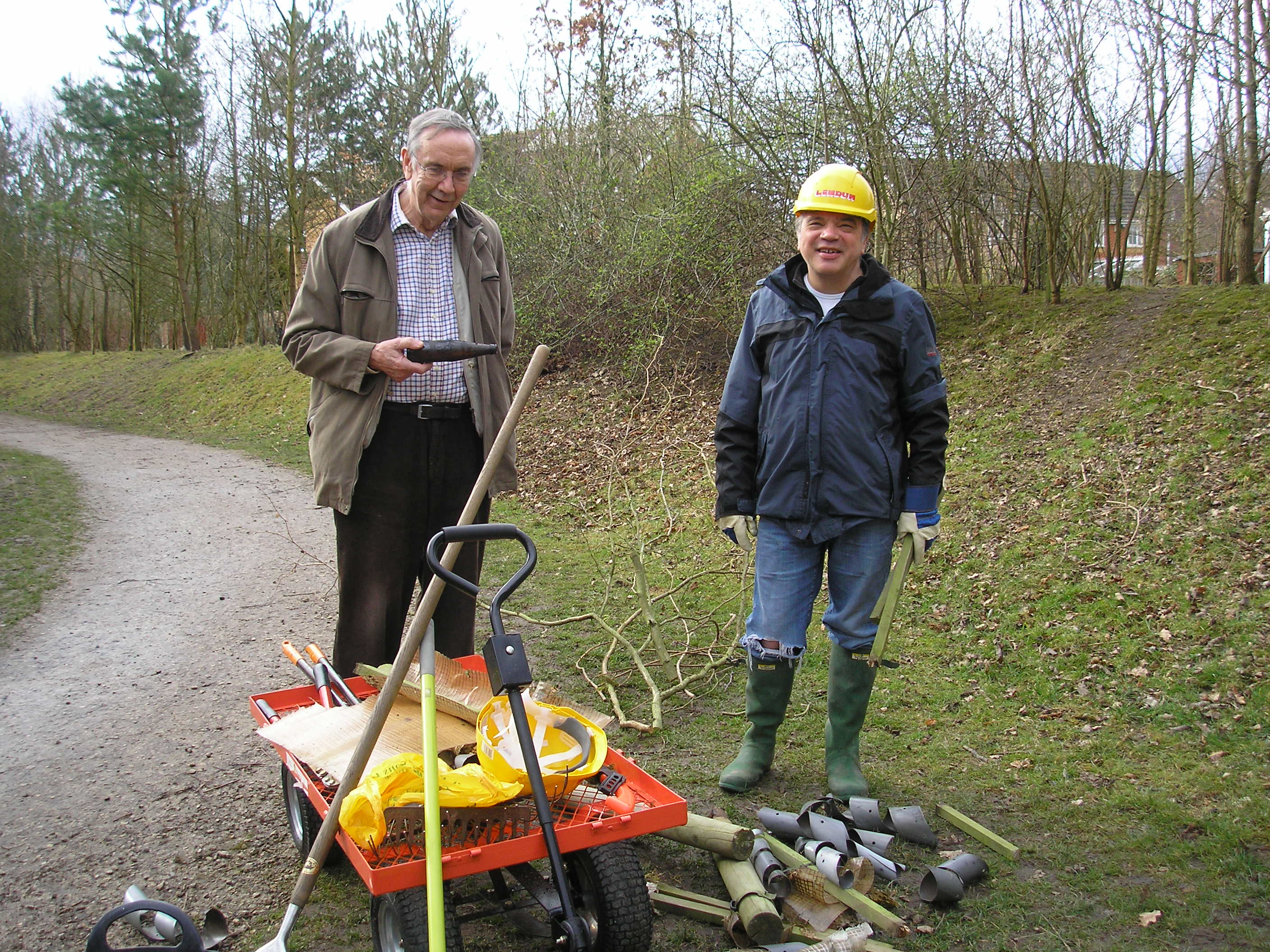
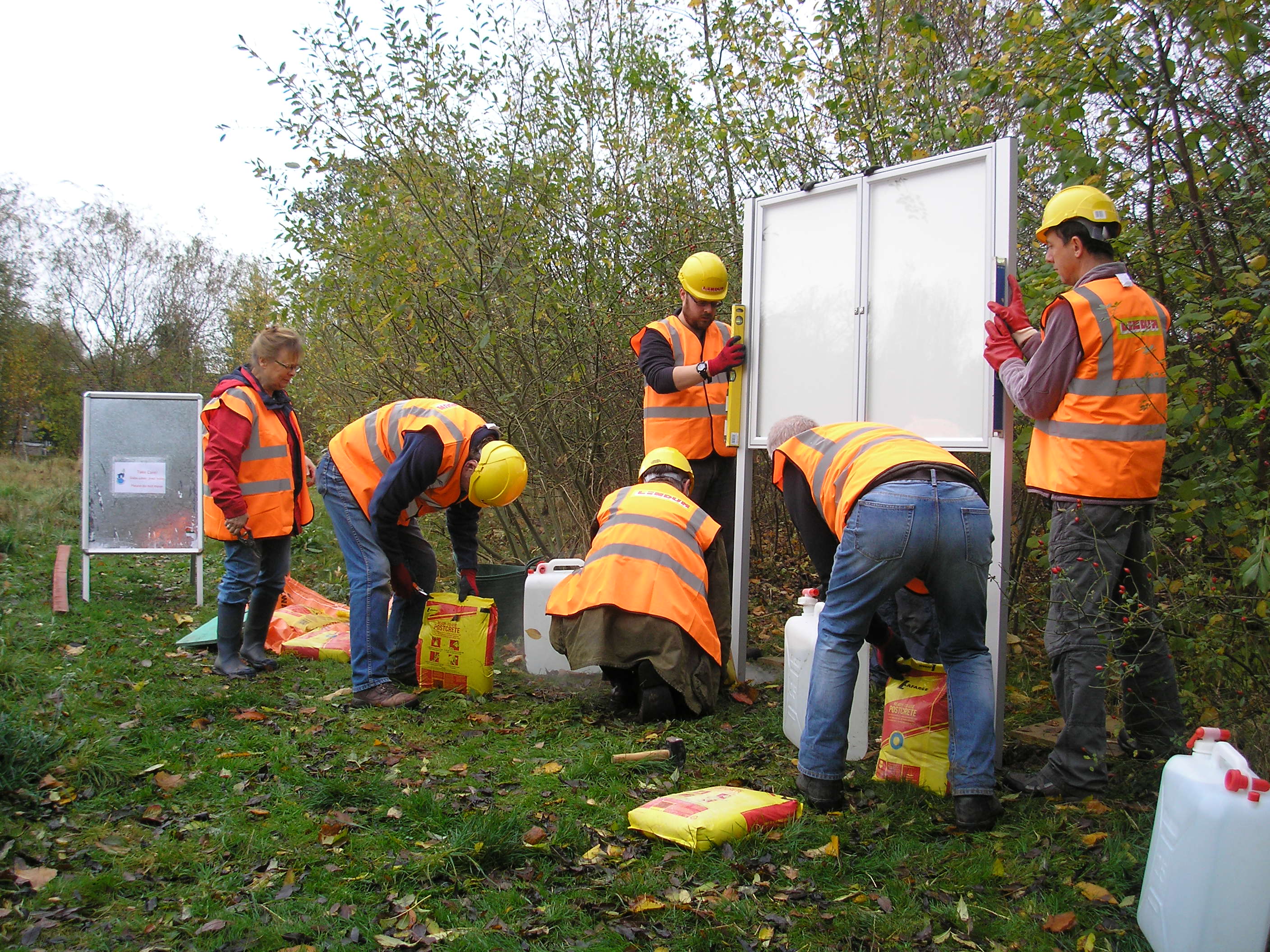
MCT greatly appreciates any help it receives towards funding its work on Mayfields.  Early in November we received a very valuable contribution from Lindum in York, in the form of extra hard hats, high visibility vests and high quality safety gloves.  These are all very important as we take safety very seriously.  As Pam Brown’s photos show, they were put to good use when we erected the first of our information boards.

OLYMPUS DIGITAL CAMERA OLYMPUS DIGITAL CAMERA

Over the first week in November some of you may have noticed a safety sign board just inside the gate (as shown below).  This was a warning sign about paving slabs covering post holes prepared for installation of the first of 2 site information boards.

DSCF1044

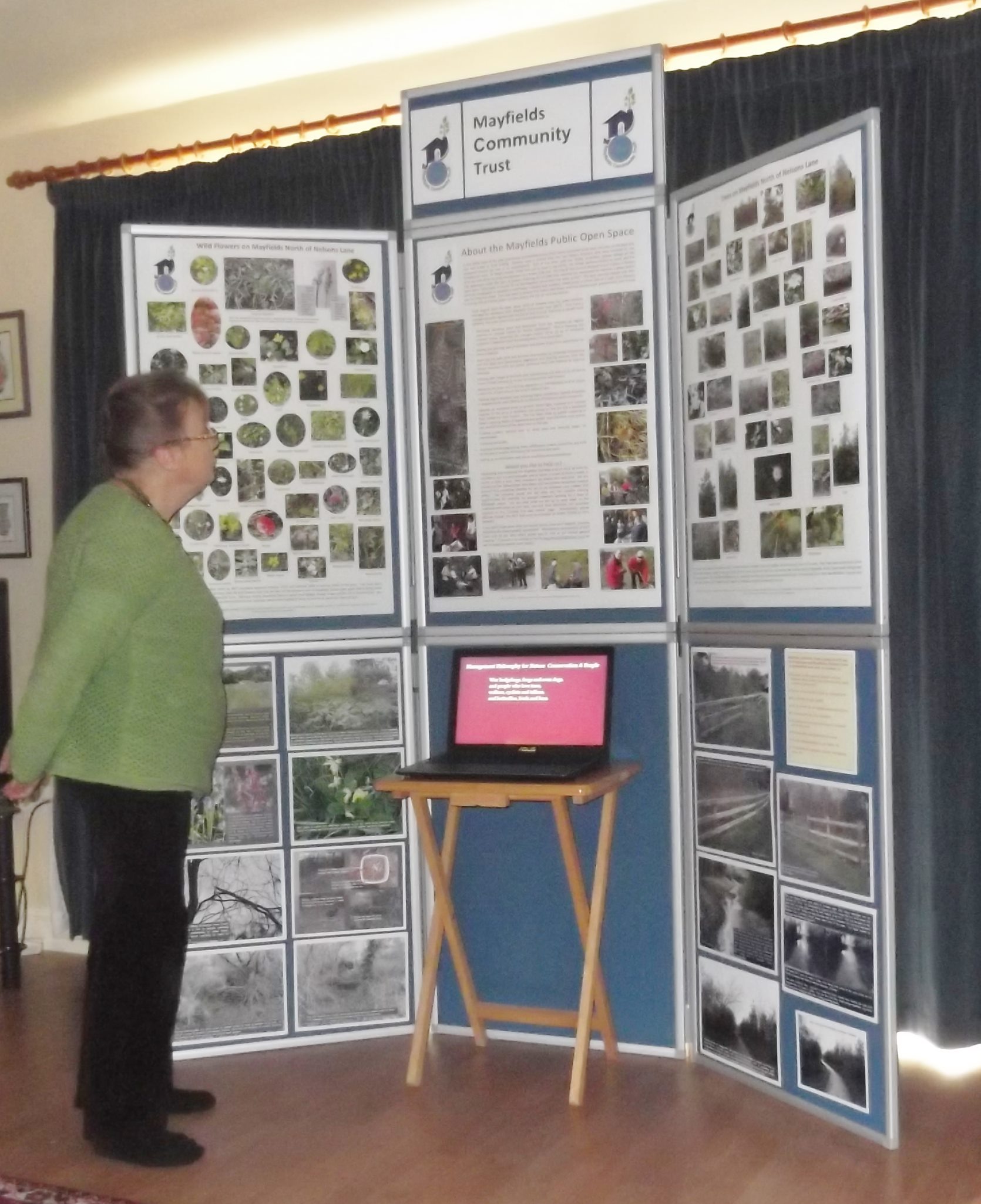
 A preview of typical posters for the boards was displayed on Thursday 6th November at the CYC Community Conversation Meeting from 6 to 8 p.m. at Woodthorpe Primary School in Summerfield Road, York.  Louise, the MCT secretary, can be seen below admiring the new display.  Our new board system (purchased from  Panel Warehouse via the internet) worked very well for us.  MCT is very appreciative of the financial support it received from the Dringhouses and Woodthorpe Ward Committee towards costs of erection of educational information boards on the Mayfields site and for our internal display boards.

MCT secretary  viewing display

On the first of November we were anticipating a bit of a challenge in finding a new wild-flower of the month.  However, nature didn’t let us down and we found a very pretty Mayweed in full bloom west of the path near the gate.

Mayweed end of October 2014

It is common in many places, though not usually on calcareous soils and can flower through to November.  Our other challenge has been gathering fallen leaves and twigs from the path near Little Hob Moor before they turn to humus and then mud.  Of late we have been using our 36-volt MacAllister rotary mowers as leaf shredding and gathering “hoovers” which is not too noisy and saves a lot of time.

MCT September & October Activities

Some of you may remember the English bluebells MCT planted at this time in 2013 from when they flowered in April  in the woody area north of the western bund (see photo below).  We have  just planted another 400, so are hoping for an even better display in 2015 .

EnglishBluebellL-Apr (2)

The field work co-ordinator felt a bit like King Canute when clearing leaves off the path at the Little Hob Moor end in late October after the strong winds, but they were already starting to form muddy humus. Taking them off to compost is essential to stop the path reverting to its old muddy state.

Seven turned out for our Sunday morning volunteer session on 12th October, so we were able to make good progress with removing grassy tussocks and excess knapweed from the wild-flower meadow and with opening up more of a path between the meadow and the grassy area beside Nelsons Lane.  The session on October 19th was even better, with eight volunteers enjoying the October sunshine.  We continued our work on creating pathways through the woodland east of the playground and composting removed willow and self-sown saplings, so it’s now possible to meander through right from the meadow down to the eastern end of the grassy area beside Nelsons Lane.  Charlotte and Janet did a great job with Margaret, Pam and Malcolm cutting branches up so they were the right size for composting, while Louise, Lesley and Paul raked up and bagged trimmings from overgrown brambles and nettles cut down by Dave (Moore) and Malcolm earlier in the week behind back gardens of some houses on Hob Moor Terrace.  These went on the compost heap (as caught on camera by Pam below).

OLYMPUS DIGITAL CAMERA

On Monday October 6th, CYC workers braved the elements to install a new gate that opens in both directions at the Nelsons Lane end of the path, as shown below.  The lever action makes it much easier for walkers, wheelchair users and cyclists to open and close the gate from both sides.  Springs shut the gate, which makes it safer than when it used to be left wide open, but don’t lock it automatically.

DSCF1005

The MCT secretary tries out the new gate mechanism.

We were delighted to see Charlotte and Janet join our Sunday morning volunteer session on October 5th.  They are both working towards a Duke of Edinburgh award and MCT greatly appreciate their help see (Pam Brown’s photo below).

OLYMPUS DIGITAL CAMERA

As we have been opening up the woodland beside the playground we found 4 more Spindle trees and noted 2 groups of hollies growing quite well (please don’t snip holly branches off to enhance your Xmas decorations in December though – they are still too young for that!). MCT has trimmed back the surrounding vegetation to improve their growing conditions (light, water and nutrient supply).

Spindle tree 3  OLYMPUS DIGITAL CAMERA

Spindle tree and Holly growing east of the playground in September 2014.

At this time of year at both ends of the path MCT volunteers periodically clear leaves  before they get too trampled in and turned to muddy humus.  They also lightly prune overhanging branches.  The before and after photos below show why this is important.

Before leaf removal Sept2014   After leaf removal Sept 2014

                        Before                                                          After

In Autumn last year we noted extensive coverage of oak leaves with the aptly named sequin gall on lower surfaces.  It has re-occurred as expected in 2014 (see photo below), but this symptom from gall wasp attack is not regarded generally as a serious threat to the trees.

Swquin Gall on Oak

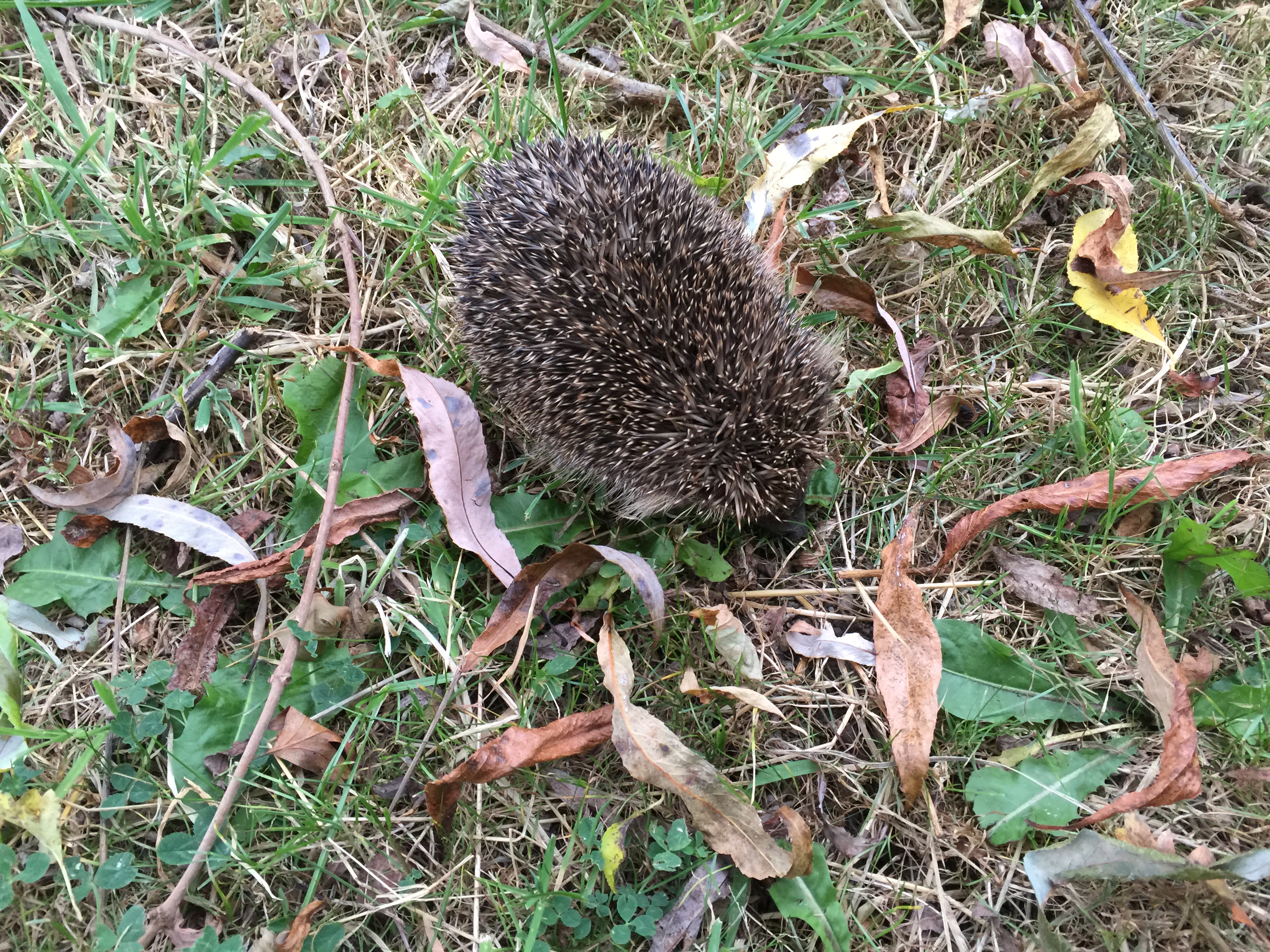
We were surprised yesterday (24-09-2014) when clearing damp brash to establish a path at just how few slugs were exposed.  It looks as if our local hedgehogs (one caught on camera out in daylight recently by MCT Chair Magaret Silcock) have been doing a thorough job!

IMG_0825

It’s not October yet, but we’ve given in to the temptation to add another autumnal colour picture, this time of a branch of a Spindle tree.  We found two young specimens while working in the woodland on the east side of the site, and gave them a bit more space and light to grow.  We hope they’ll do well as they should on the calcareous soil on the site and that you’ll like Pam’s photograph.

OLYMPUS DIGITAL CAMERA

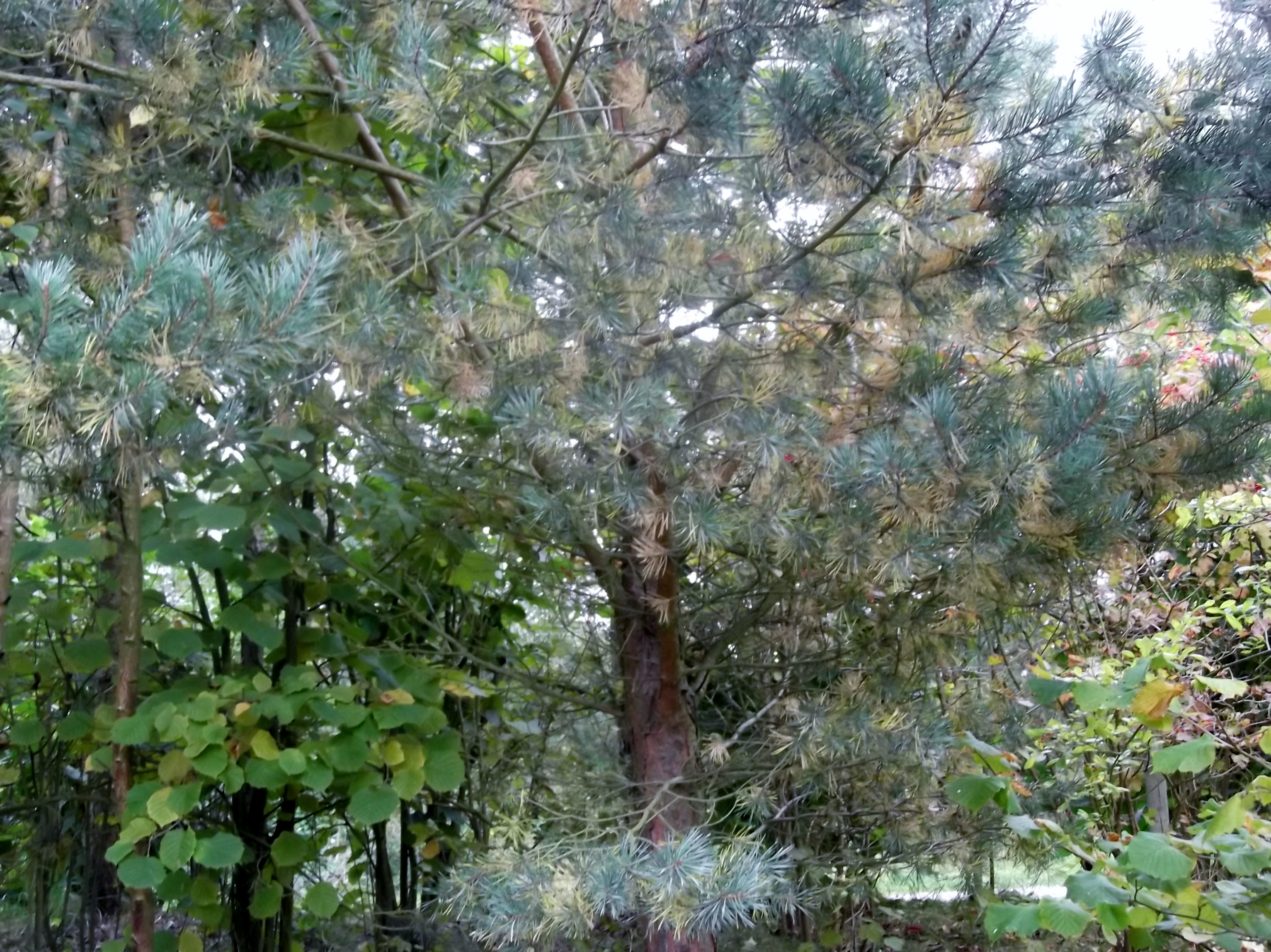
Regular site users  may have noticed some quite pronounced yellowing of some needles on many of the Scots Pine trees on the Mayfields site from mid-September, as shown in the photo below.  This will result in a heavier than average seasonal needle drop, probably following of water stress associated with the prolonged periods of warm, dry weather this year.

Needle problem of S pine Sept 2014

It’s hard to believe we’re into Autumn already.  There are less flowers to choose from for our “Wild-flower of September”. Red clover, black medic, red campion (in the shade!), bird’s foot trefoil, buttercups and red  bartsia  can still be seen if you look carefully, but we particularly liked the ribbed melilot shown below.  Autumn meant that the  MCT open meeting took place at the Marriott Hotel  Management Suite on Tuesday 16th September.  26 folk turned up to hear about what MCT had been doing on the wild flower meadow, woodland, paths and fence and why things were being done the way they were.  The slide show of 60 wild flowers photographed  on the Mayfields site north of Nelsons Lane over the year proved very popular, but not as popular as the results and prize awards for the Hedgehog competition!  We’re very grateful to the Marriott Hotel for providing such excellent facilities to help a local Trust.

Hedgehog Results

Ribbed Melilot September

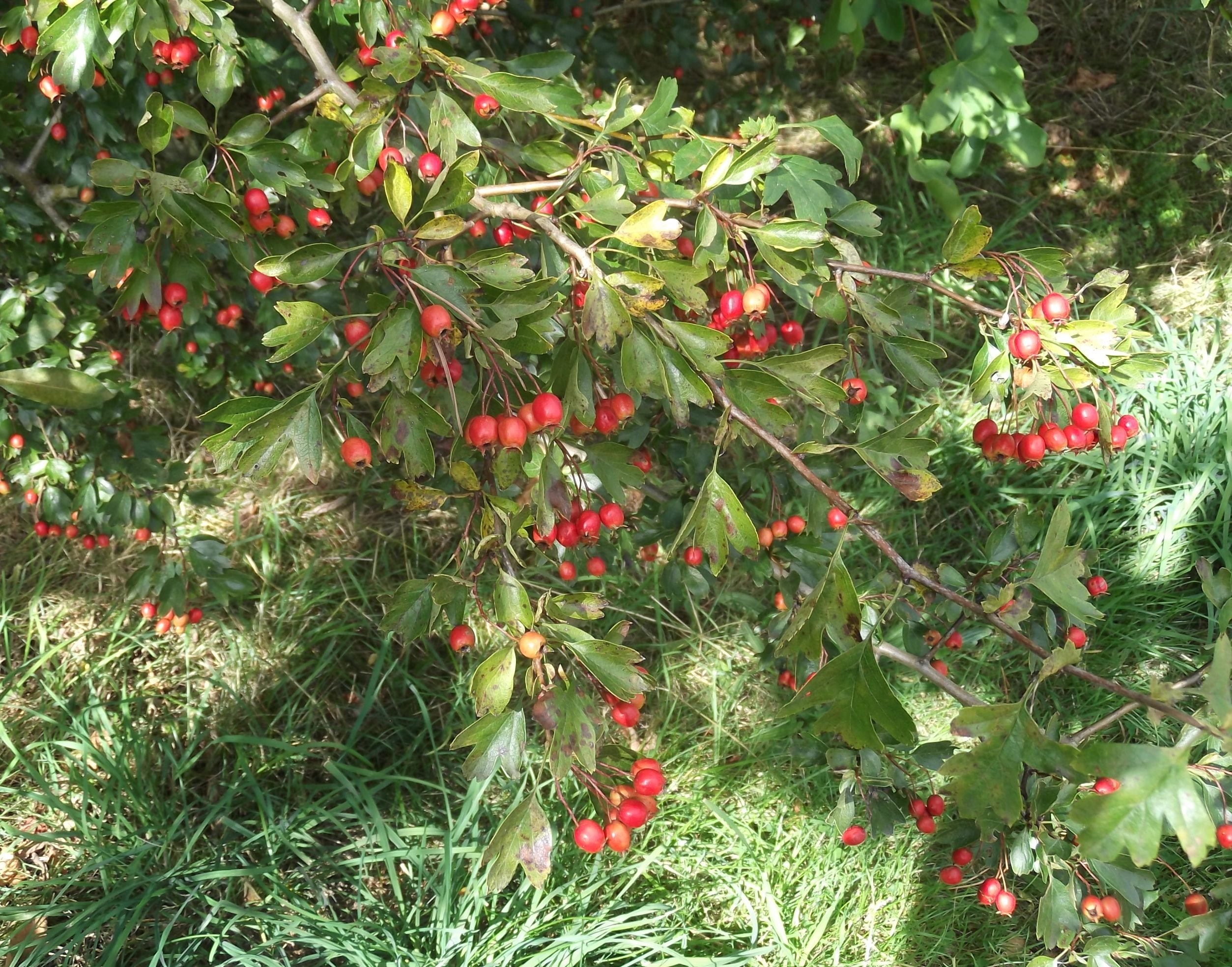
Really though Autumn is a season for blackberries and rose hips, which have been plentiful around the site.  We thought the white dogwood berries, guelder rose and hawthorn berries on the site justified pictures here. Dogwood berries (1)      Guelder Rose berries  Hawthorn berries You can see the red colouration starting to show on the new growth on the dogwoods trimmed back earlier in the year.  It should provide a good winter show later.

July & August 2014 Activities

MCT always does its best not to damage any wildlife on the Mayfields site during its management operations. Sadly, recently a hedgehog was badly wounded by a dog bite and eventually died despite our best efforts.  This is a real risk when dogs are out late in the evening when the hedgehogs are most likely to be out looking for food.  Frogs and toads are well camouflaged as the photo below left shows.  Even in the selective enlargement on the right below care is needed to spot the creature, which is why you will often see us on our knees trimming long grass carefully with hand sheers.

Camouflaged Frog Aug 2014     Camouflaged Frog Aug 2014 - close upCopy

The fence along Nelsons Lane can be a little fragile in places.  At the end of August a bar was broken, probably by someone climbing over to get to the blackberries (which were especially good this year!).  MCT used a metal bracket to make a quick repair as shown below, but it is best to avoid standing on the fence bars.  There is a small gap at the playground end that allows safer access.

DSCF0830     DSCF0831

We’ve been a bit slow selecting August’s wild flower-of-the-month, but finally decided on Perforate St John’s Wort, largely because Malcolm was so fascinated by the tiny perforations visible through a hand lens when you hold a leaf up to the light. But as the photo below shows the flower is pretty too.  Runner up would be the abundant Red Bartsia

Perforate St Johm's Wort July 1

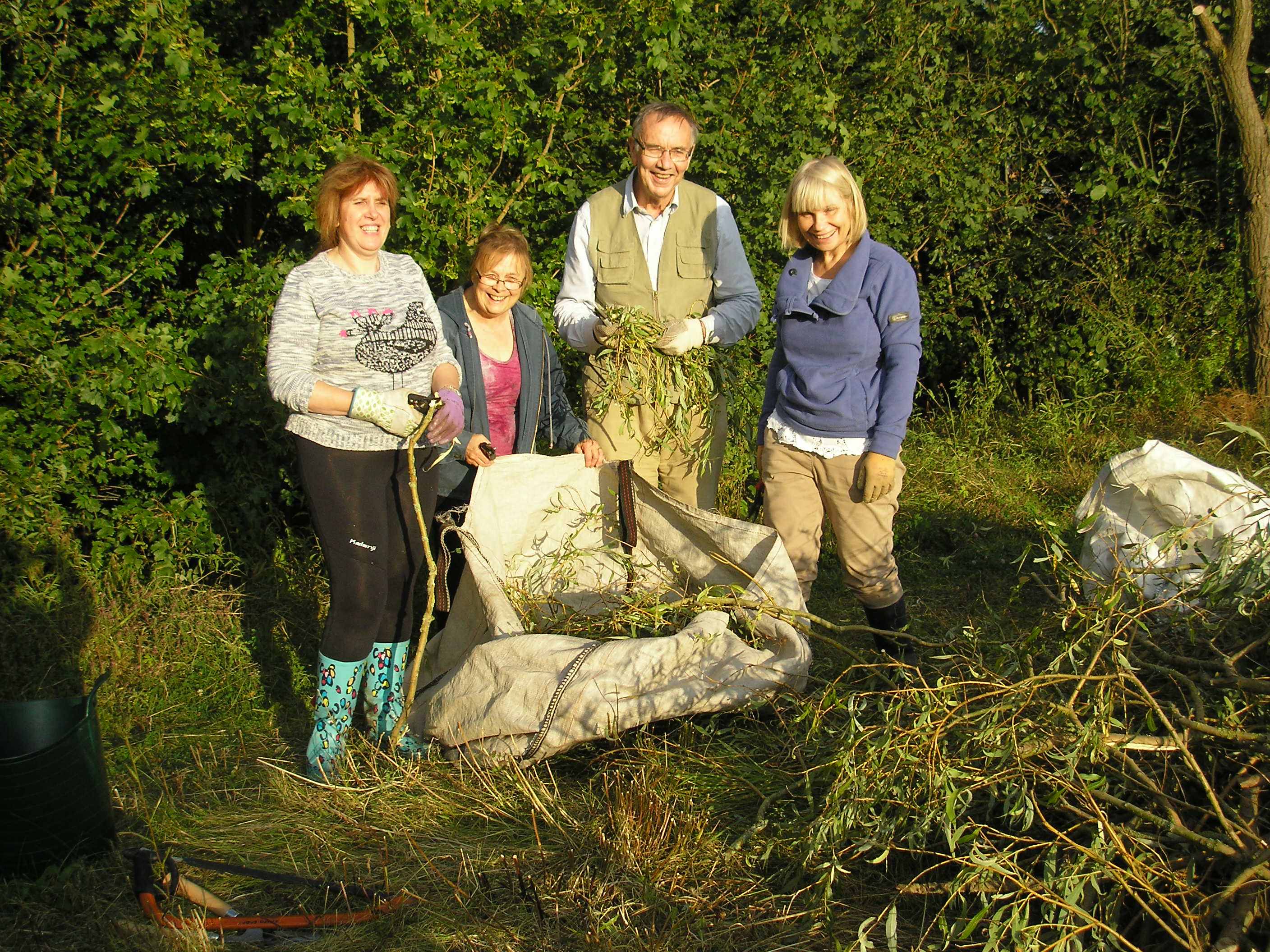
Our 7 volunteers (4 shown in photo below) enjoyed the evening sun while trimming the partially dead crack willow east of the wild flower meadow at the 2nd of our August Wednesday evening volunteer sessions.  Note that there will not be a session on Wednesday 20th August as the co-ordinator/safety officer is away, so the next session will be on Wednesday 27th August, 2014.

OLYMPUS DIGITAL CAMERA

Six turned out for our first volunteer session in August, so we were able to make good progress with trimming grass and excess knapweed going to seed at the north-eastern corner of the meadow.  We’ve been working carefully with sheers and secateurs.  It’s slow, but avoids damaging frogs that appear from time to time under the long grass.  One was caught on camera (below). It also means we can be selective with any scarcer wild flowers we want to leave.

Common frog, well camouflaged in the long grass!

Common frog, well camouflaged in the long grass!

The knapweed was abundant and very attractive when in full flower, as in Pam’s earlier photo on the meadow below, but is less attractive this late in the year.  You may notice we’ve been cutting it back selectively where it was becoming too dominant, while also removing some of the long grasses where flattened by over-enthusiastic dogs.  We hope you’ll agree this has improved the appearance of the area just inside the gate and some other parts of the meadow.

OLYMPUS DIGITAL CAMERA

The final MCT Wednesday evening volunteer session in July was a very useful one, with 8 people (Pam took the photo!) and an inquisitive young hedgehog keen to see what we were up to (it had possibly discovered the joys of insect life around one of our wood piles retaining a small compost heap!).  We managed to cut up all our green waste near the gate and transfer it to the compost heap. On the following Thursday morning we made a start on trimming vegetation (including Lady’s bedstraw, grass, thistles, encroaching willows and roses, and brambles) alongside Nelsons Lane in a successful attempt to beat the forecast rain that we hope will help green-up the area more quickly.  We also trimmed back a rose and hawthorns crowding an attractive young oak there.

OLYMPUS DIGITAL CAMERA OLYMPUS DIGITAL CAMERA

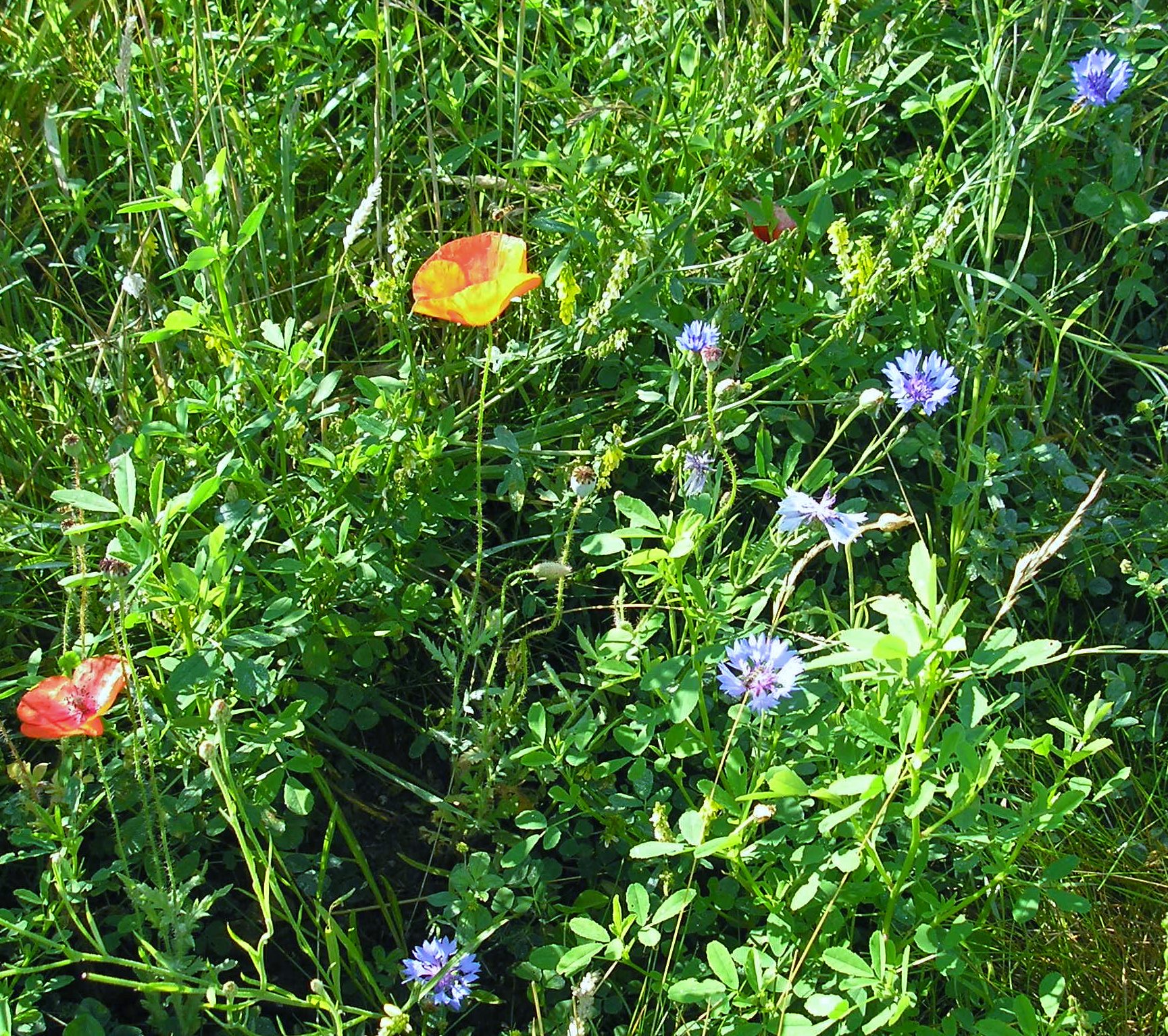
We were pleased to see a few patches of poppies and cornflowers emerging towards the end of July, as in Pam’s photo below, in spite of the heavy local competition on the wild flower meadow.  We’ll try again next year when competition should be reduced from tall grasses as more grass (and the nitrogen it contains!) will have been removed.

OLYMPUS DIGITAL CAMERA

From 2nd July we started having a “Volunteer Hour” every Wednesday evening, starting at 7 o’clock. Thanks to Pam for the photos below of the first session, which was spent cutting down self-sown willows growing too close to a back fence at Goodwood Grove, and cutting up the pruned material for composting.

OLYMPUS DIGITAL CAMERAOLYMPUS DIGITAL CAMERA

July’s “flower of the month” was an easy choice, as some of the red campion plug plants raised by MCT from local seed finally started to flower at the end of June.  More are on the way (we hope!).  Mind, the handful of poppies and field scabious (lower shots by Pam Brown) provided stiff competition, and the meadowsweet is looking very attractive too, providing a striking contrast to the flourishing knap weed on the meadow!

Red Campion (plug)

OLYMPUS DIGITAL CAMERAOLYMPUS DIGITAL CAMERA

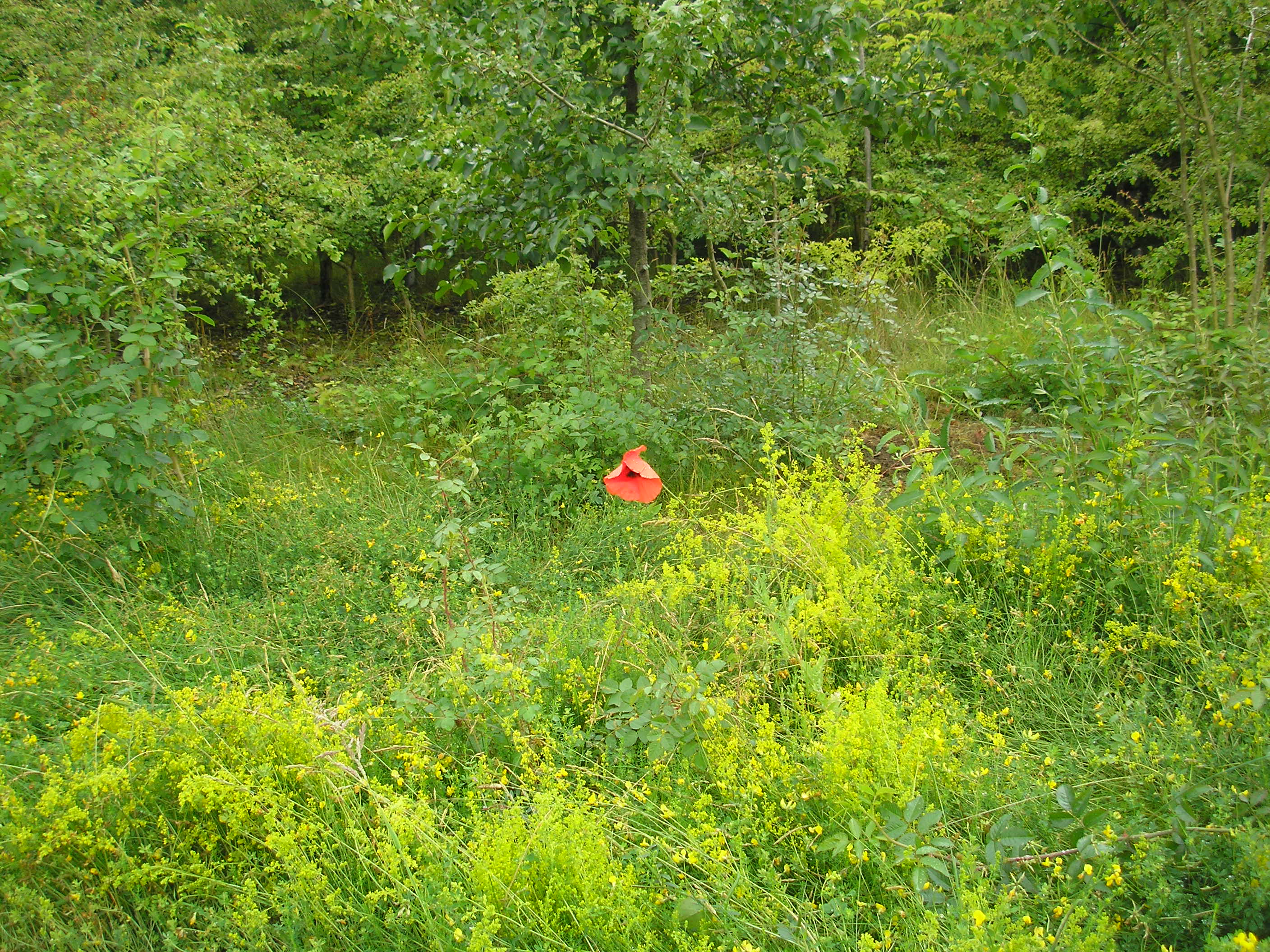
Red campion (top), Scabious (above left) and  solitary Poppy surrounded by the yellow Lady’s bedstraw (above right) beside Nelsons Lane.  Nature did its best to provide a big splash of yellow for le Grand Depart with all the regenerated bird’s-foot trefoil and Lady’s bedstraw alongside the fence!